

Growing Concerns Over Youth Gambling
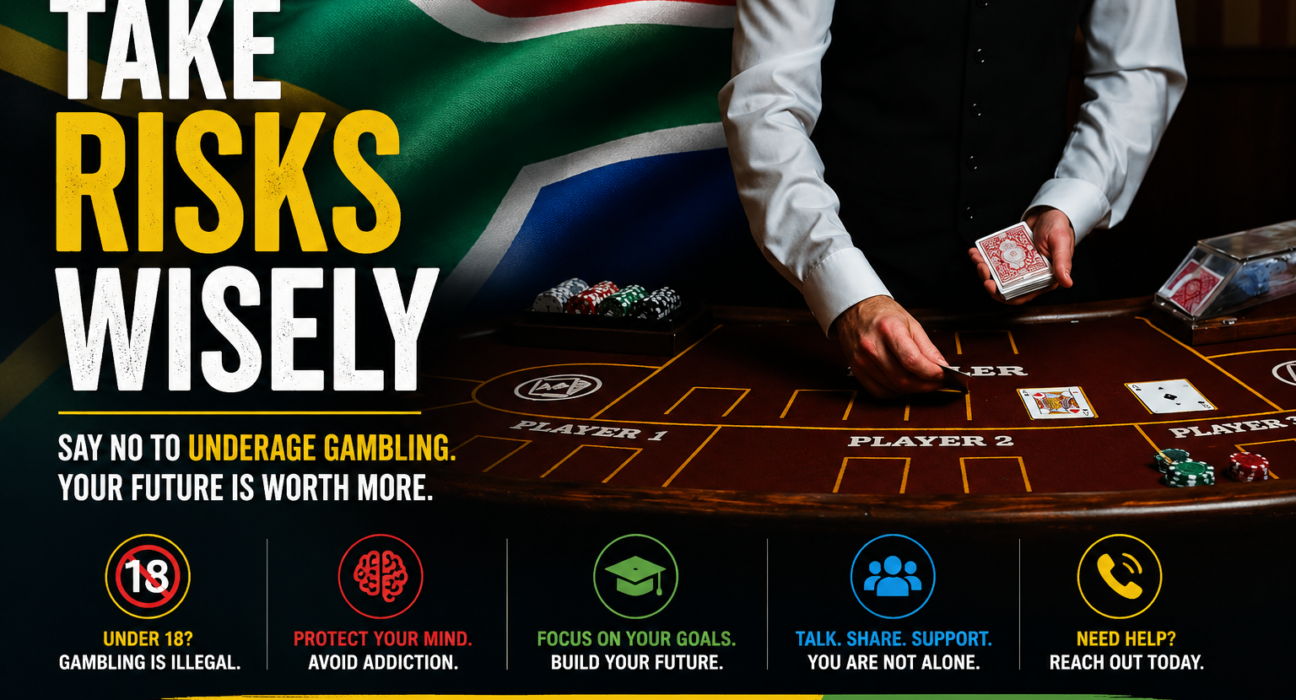
South Africa is stepping up efforts to tackle underage gambling as authorities and responsible gaming organizations continue raising awareness among learners across the country. The latest initiative, themed “Take Risks Wisely,” aims to educate students about the dangers associated with gambling addiction, financial losses, and irresponsible betting habits.
The campaign comes at a time when online gambling and sports betting are becoming increasingly accessible to young people through smartphones, social media, and digital payment systems. Regulators warn that many minors are being exposed to gambling activities long before they fully understand the risks involved.
Schools Become Key Targets for Awareness Programs
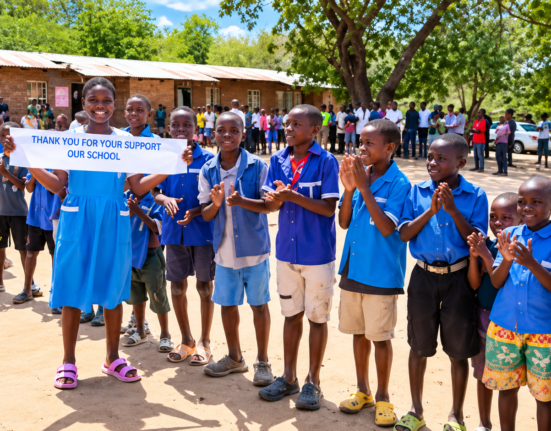
Educational institutions are now playing a central role in combating underage gambling in South Africa. Organizers behind the campaign are visiting schools and engaging directly with learners through workshops, seminars, and interactive discussions focused on responsible decision-making.
The initiative encourages students to think carefully about risk-taking behavior and understand the long-term consequences of gambling addiction. Educators and campaign leaders believe that early education is one of the most effective ways to prevent gambling-related harm among young people.
By targeting learners directly, authorities hope to build a culture of awareness and responsibility before harmful habits develop.
Online Gambling Accessibility Raises Alarm
One of the major concerns highlighted during the campaign is the rapid growth of online betting platforms. Mobile gambling apps and sports betting sites have made it easier than ever for young people to access gambling services, sometimes even without proper age verification.
Industry observers note that social media advertising and influencer promotions have also contributed to the normalization of gambling among younger audiences. Betting content frequently appears during sports events and online entertainment, increasing exposure among school-age children.
Regulators fear that this constant exposure may encourage minors to view gambling as a quick way to make money rather than understanding the financial and emotional risks attached to it.
Parents and Teachers Urged to Stay Alert
The campaign is not only directed at learners but also at parents, guardians, and teachers. Responsible gambling advocates are urging adults to pay closer attention to warning signs that may indicate gambling-related behavior among minors.
Some of the signs include unusual spending habits, secrecy around mobile phone use, emotional withdrawal, declining academic performance, and increased interest in betting discussions or gambling apps.
Authorities believe stronger communication between schools, families, and communities will help identify problems early and provide support to vulnerable learners before addiction develops.
Collaboration Between Regulators and Communities
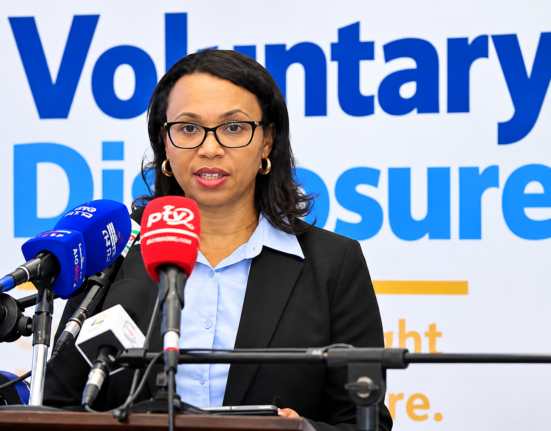
South Africa’s National Gambling Board and several regional stakeholders continue working together with schools, youth organizations, and community leaders to strengthen responsible gambling education nationwide.
These collaborations aim to create safer learning environments while promoting financial literacy and healthy lifestyle choices. Community outreach programs are also being expanded to rural and underserved areas where access to educational resources may be limited.
Officials say underage gambling cannot be addressed by regulators alone. Instead, it requires cooperation between government institutions, gaming operators, educators, parents, and local communities.
Calls for Stronger Regulation and Responsible Advertising
As public concern grows, many stakeholders are now calling for tighter advertising regulations surrounding gambling promotions. Critics argue that aggressive marketing campaigns and sports sponsorships often expose young audiences to betting culture.
Responsible gambling groups are encouraging operators to adopt stricter safeguards, improve age-verification systems, and ensure advertising does not target vulnerable audiences.
The “Take Risks Wisely” campaign reflects South Africa’s broader commitment to protecting young people from gambling-related harm while promoting informed decision-making and responsible behavior. Authorities hope the initiative will encourage learners to focus on education, personal development, and long-term opportunities instead of risky gambling activities.