



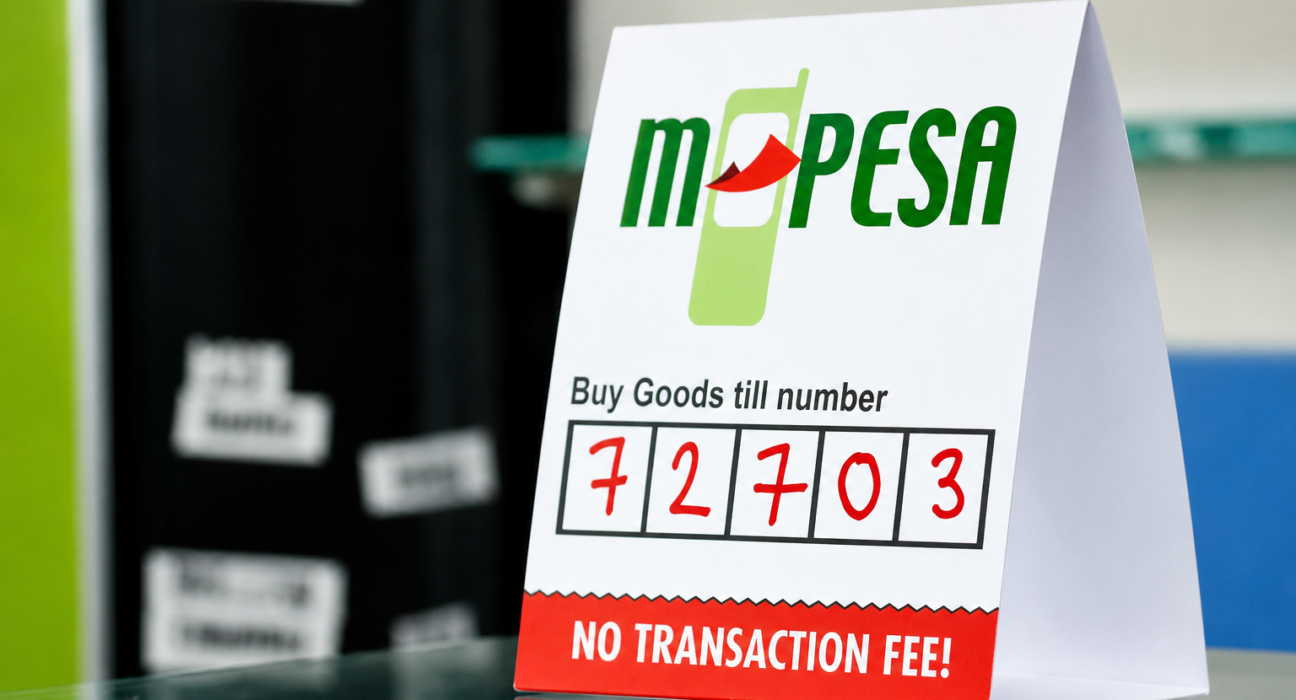
New initiative will test USDC-powered mobile money transactions to improve cross-border payments, financial inclusion, and digital commerce
Visa, M-PESA Africa, and pan-African payments network Onafriq have partnered to launch a stablecoin payment pilot in the Democratic Republic of the Congo (DRC), marking a significant step in the evolution of digital payments across Africa. The initiative will explore how regulated blockchain-based digital currencies can enhance mobile money services by enabling faster, more affordable, and more efficient financial transactions.
The pilot is among the first large-scale collaborations on the continent to integrate stablecoin technology into an existing mobile money ecosystem. By combining Visa’s global payment expertise, M-PESA Africa’s extensive mobile money network, and Onafriq’s cross-border payment infrastructure, the partners aim to demonstrate how digital assets can support everyday financial services while remaining compliant with regulatory requirements.
Bringing Stablecoins to Mobile Money
At the centre of the pilot is the integration of USD Coin (USDC), a U.S. dollar-backed stablecoin, into M-PESA’s mobile money platform. Selected users and merchants in the DRC will be able to send, receive, and settle transactions using the stablecoin through a controlled testing environment.
Unlike traditional cryptocurrencies, stablecoins are designed to maintain a stable value by being pegged to reserve assets such as the U.S. dollar. This stability makes them more suitable for payments, remittances, and commercial transactions where price volatility can pose significant risks.
The pilot will evaluate how stablecoins can work alongside existing mobile money services rather than replacing them, providing customers with additional payment options while preserving the convenience and accessibility that mobile money has brought to millions of Africans.
Addressing Longstanding Payment Challenges
The collaboration seeks to tackle several persistent challenges affecting financial services across Africa. Cross-border payments often remain expensive, slow, and dependent on multiple intermediaries, while businesses and individuals frequently encounter delays in settlement and foreign exchange constraints.
By leveraging blockchain technology and regulated stablecoins, the partners hope to streamline payment processes, reduce transaction costs, improve transparency, and accelerate settlement times for both domestic and international transactions.
The initiative also aims to expand access to digital financial services for individuals who remain underserved by traditional banking systems, supporting broader financial inclusion across the region.
Combining Global and Regional Expertise
Each organization brings a distinct capability to the project. Visa contributes its experience in global payment systems and digital payment innovation, while M-PESA Africa offers one of the continent’s most widely used mobile money platforms with millions of active users.
Onafriq, meanwhile, provides the payment infrastructure that connects mobile money operators, banks, and financial institutions across multiple African markets. Its network is expected to play a key role in enabling seamless interoperability between mobile wallets and stablecoin settlement mechanisms.
Together, the three partners aim to create a scalable model that could support future digital payment solutions across the continent.
Why the Democratic Republic of the Congo?
The Democratic Republic of the Congo was selected as the first market for the pilot because of its expanding mobile money ecosystem and increasing demand for accessible digital financial services. Mobile money has become an important tool for financial inclusion in the country, offering millions of users access to payments and basic financial services through their mobile phones.
The pilot will assess customer adoption, transaction efficiency, operational performance, and regulatory compliance under real-world conditions before any decision is made regarding broader deployment.
Insights gained from the trial will help determine how stablecoin-powered payments can be adapted for other African markets with similar financial inclusion needs.
Looking Ahead
The launch of the stablecoin pilot reflects the growing interest among financial institutions and technology companies in using blockchain technology to modernize payment infrastructure. As regulators and payment providers continue to explore practical applications for digital assets, initiatives such as this could help shape the future of financial services across Africa.
If the pilot proves successful, Visa, M-PESA Africa, and Onafriq could expand the model to additional countries, enabling faster cross-border commerce, improving payment interoperability, and supporting the continent’s digital transformation.
By combining trusted mobile money services with regulated stablecoin technology, the partnership represents a significant milestone in Africa’s evolving fintech landscape and demonstrates how innovation can help build a more inclusive, efficient, and connected financial ecosystem.






2 Comments