



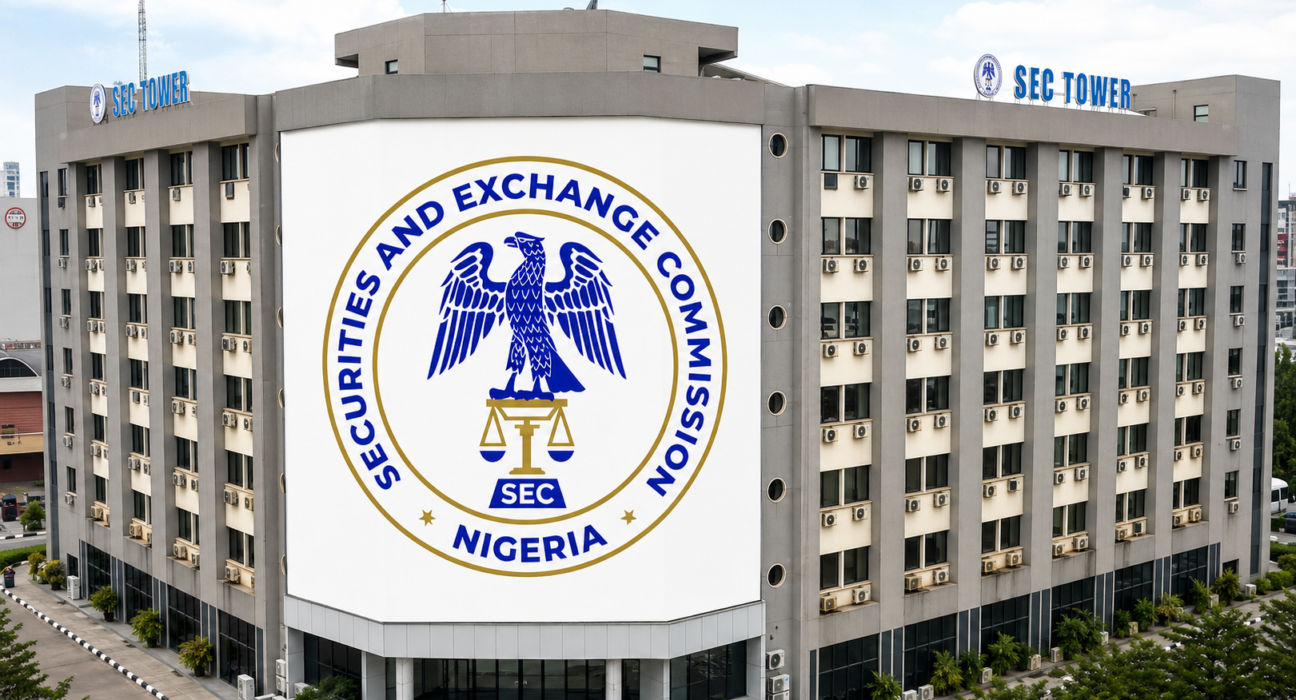
Regulator deepens innovation oversight as new fintech and digital asset firms enter controlled testing environment under ARIP framework
Nigeria’s Securities and Exchange Commission (SEC) has expanded its fintech regulatory sandbox by admitting seven new firms into its Accelerated Regulatory Incubation Programme (ARIP), reinforcing its strategy to balance financial innovation with investor protection and market stability.
The latest admissions mark another step in the Commission’s ongoing effort to modernize Nigeria’s capital markets by providing a structured environment where emerging fintech companies, digital asset platforms, and investment technology providers can test their solutions under regulatory supervision before obtaining full licensing approval.
Seven Firms Enter Regulatory Incubation Programme
The newly admitted companies into the ARIP framework include Bitbarter Technologies Limited, Luno Fintech Nigeria Limited, GetEquity Limited, Koinkoin Global Network Limited, Wrapped CBDC Ltd, Trovotech Ltd, and Blockvault Custodian Ltd.
Each of these firms operates within segments of Nigeria’s rapidly evolving digital financial ecosystem, ranging from virtual asset services and blockchain-based platforms to digital investment solutions and fintech infrastructure services.
By joining ARIP, the companies gain an Approval-in-Principle (AIP), which allows them to operate under defined regulatory conditions while the SEC evaluates their business models, operational structures, compliance systems, and risk management frameworks.
However, the Commission emphasized that this approval does not constitute a full operating licence. Instead, it represents a supervised testing phase designed to assess compliance and operational readiness before firms are cleared for broader market participation.
Strengthening Innovation Through Controlled Regulation
The Accelerated Regulatory Incubation Programme is a key component of the SEC’s broader fintech regulatory strategy. It is designed to create a controlled environment where innovative financial products and services can be tested without exposing investors and the wider financial system to unnecessary risk.
Through ARIP, the SEC is able to closely monitor how new technologies function in real-world conditions, including digital asset platforms, tokenized investment products, crowdfunding solutions, and other emerging financial models.
This approach allows regulators to better understand evolving market dynamics while ensuring that innovation develops within a clear and enforceable legal framework.
Balancing Innovation and Investor Protection
The SEC has repeatedly emphasized that its regulatory approach is built on maintaining a careful balance between encouraging innovation and protecting investors. As Nigeria’s fintech sector continues to grow, the regulator has placed increasing focus on ensuring that new entrants meet minimum standards of transparency, governance, and risk management.
The ARIP framework is intended to reduce regulatory uncertainty while ensuring that only firms that demonstrate operational integrity and compliance readiness are granted full licensing status.
This structure is particularly important in sectors such as digital assets and blockchain-based financial services, where rapid innovation has often outpaced regulatory frameworks in many jurisdictions.
Supporting Nigeria’s Fintech Ecosystem
The expansion of ARIP reflects Nigeria’s broader ambition to position itself as a leading fintech hub in Africa. The country’s financial sector has witnessed significant growth in digital payments, online investment platforms, and blockchain-based services, driven by increasing mobile penetration and demand for accessible financial products.
By offering a structured pathway for innovation, the SEC aims to support the growth of local fintech companies while attracting global players seeking entry into Africa’s largest economy.
The inclusion of firms such as Luno Fintech Nigeria Limited and GetEquity Limited highlights the diversity of participants in Nigeria’s fintech ecosystem, spanning from crypto-related services to equity investment platforms.
Regulatory Oversight in a Rapidly Evolving Market
As financial technologies continue to evolve, regulators face increasing pressure to adapt quickly while maintaining financial stability. The ARIP programme allows the SEC to engage directly with innovators, gather real-time insights, and refine regulatory frameworks based on practical experience.
This collaborative approach is expected to improve policy development, reduce systemic risks, and enhance overall market confidence.
A Structured Pathway for Future Growth
With the addition of seven new firms, Nigeria’s ARIP framework continues to expand as a critical gateway for fintech innovation. The programme provides a structured pathway for companies to transition from experimental operations to fully licensed financial service providers.
As Nigeria’s digital economy grows, the SEC’s sandbox approach is expected to play an increasingly important role in shaping the future of financial services regulation in the country, ensuring that innovation and compliance develop side by side within a stable and transparent ecosystem.

















4 Comments