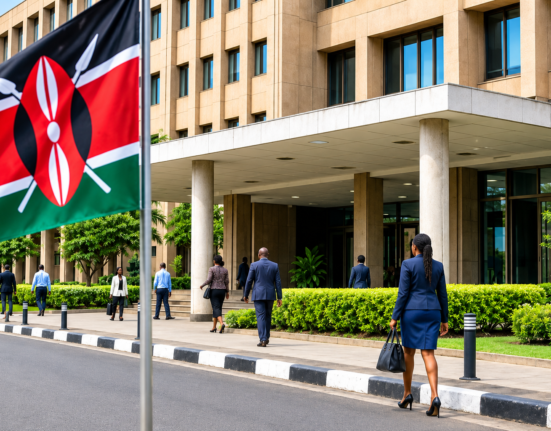



Law 15.589 introduces mandatory ID checks against a provincial registry, adding new compliance obligations for land-based gaming operators across Argentina’s largest jurisdiction.
Buenos Aires Province has enacted Law 15.589, a significant regulatory measure that restricts access to land-based gambling venues for individuals who have failed to meet child support obligations. In force since early 2026, the law prohibits anyone listed in the provincial Registry of Delinquent Child Support Debtors from entering casinos and bingo halls, marking a notable expansion of social compliance requirements within Argentina’s gaming sector.
The legislation introduces a new layer of responsibility for land-based gaming operators, who are now required to verify patrons’ national identification numbers against the provincial registry before granting entry. This verification must be integrated into existing admissions and identity-control processes, effectively extending know-your-customer (KYC) standards beyond age and identity checks to include social and legal compliance. Oversight and enforcement of the new rules fall under the authority of the Provincial Institute of Lottery and Casinos (IPLyC).
Failure to comply with the verification requirement carries meaningful consequences. Operators found in breach may face administrative sanctions ranging from monetary fines to temporary suspensions, with permanent closure possible in cases of repeated or serious violations. As a result, casinos and bingo halls will need to update internal procedures, train staff, and ensure real-time coordination with the provincial registry to avoid regulatory exposure.
Promoted by Deputy Germán Di Cesare, Law 15.589 applies to individuals who have missed three consecutive child support payments or five alternating payments, triggering their inclusion in the registry. The restriction functions as an administrative measure that operates alongside judicial enforcement mechanisms. Rather than seizing assets or imposing criminal penalties, the law applies social and financial pressure by limiting access to discretionary leisure activities until outstanding obligations are resolved.
Importantly, the restriction is not permanent. Once an individual regularizes their child support payments and is removed from the registry, access to gaming venues is automatically restored. Authorities have emphasized that the policy is designed to encourage compliance rather than punish participation in gambling per se.
The legal foundation of the measure draws on national civil-law provisions and Argentina’s commitments under the Convention on the Rights of the Child. Officials argue that individuals with disposable income for gambling should prioritize fulfilling family support responsibilities, and that linking gambling access to compliance reinforces accountability without directly interfering in personal finances.
At present, the scope of the law is limited to land-based casinos and bingo halls. Online gambling platforms licensed at the provincial level are not included, although industry stakeholders are expected to monitor whether similar requirements could be considered in the future. As implementation progresses, operators across Buenos Aires Province will need to adapt swiftly to ensure full compliance with the new admissions framework.