



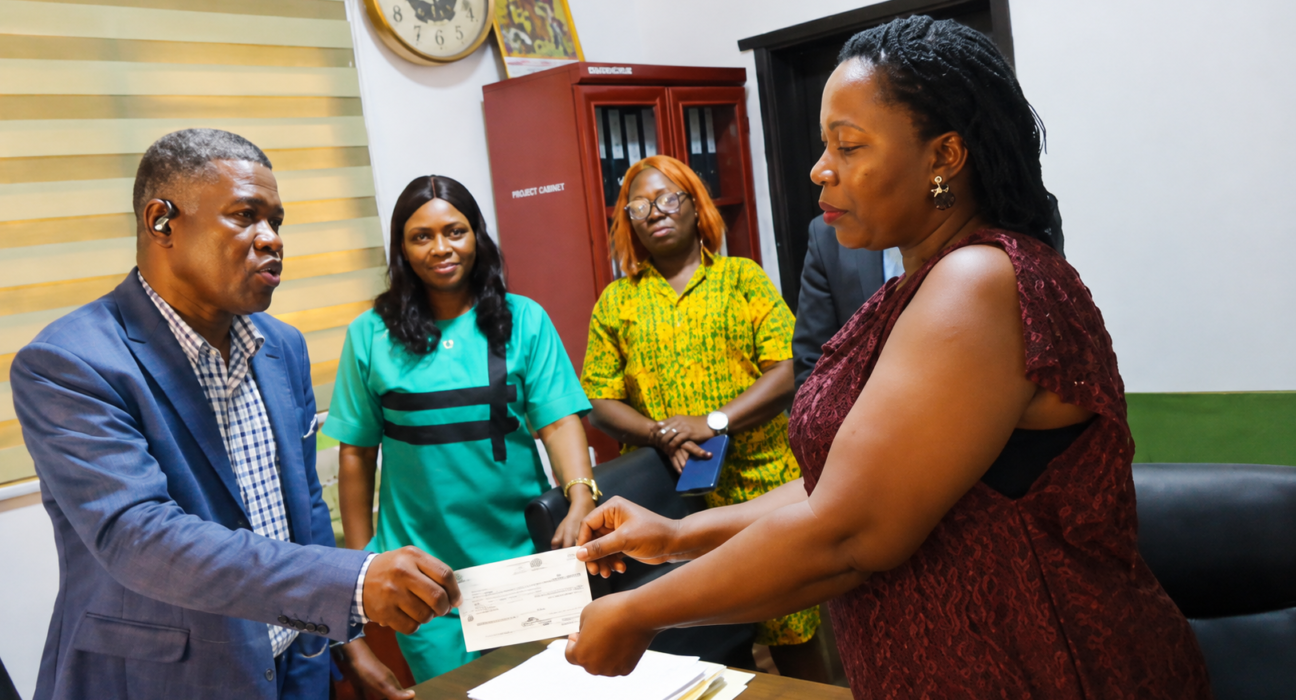
Financial assistance under the NLA’s Education Empowerment Programme is aimed at easing registration costs and promoting greater access to higher education for students with physical disabilities
The National Lottery Authority (NLA) of Liberia has provided L$152,000 in financial assistance to 56 students with physical disabilities at the University of Liberia, reinforcing its commitment to inclusive education and social empowerment.
The support was delivered through the NLA’s Education Empowerment Programme (EEP), an initiative designed to help students facing financial barriers to higher education. The latest contribution is specifically intended to assist beneficiaries with their university registration fees and reduce some of the financial pressure associated with pursuing their studies.
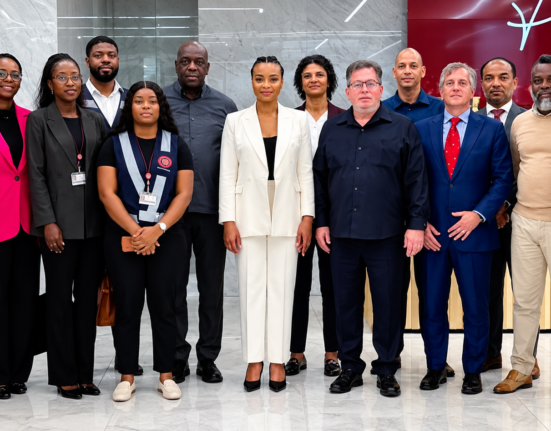
The cheque was presented on August 18, 2026, at the NLA’s Old Road Headquarters in Monrovia. The initiative was coordinated through the Authority’s Corporate Social Responsibility and Social Welfare departments, reflecting the organisation’s broader efforts to support vulnerable communities.
Supporting Inclusive Education
The financial assistance comes at an important time for students who may face additional barriers when accessing and completing higher education.
Registration fees and other education-related expenses can create significant challenges for students from financially disadvantaged backgrounds. For students with disabilities, these challenges can be compounded by additional costs associated with accessibility, transportation, learning resources and other requirements.
Through the Education Empowerment Programme, the NLA is seeking to help remove at least one of these barriers by providing direct financial assistance for registration.
The initiative reinforces the principle that physical disability should not prevent qualified students from pursuing university education and developing the skills needed to participate fully in society.
Education Empowerment Programme Continues
The NLA’s Education Empowerment Programme has now entered its fourth year, according to the organisation.
The programme focuses on supporting students with physical disabilities enrolled at public universities and community colleges across Liberia.
Rather than providing a one-time intervention, the initiative forms part of the NLA’s broader social responsibility agenda. Its objective is to create opportunities for students who might otherwise struggle to remain enrolled because of financial constraints.
By helping beneficiaries meet registration requirements, the programme can allow students to concentrate more effectively on their academic responsibilities and continue working towards their qualifications.
NLA Highlights Equal Opportunities
Speaking during the presentation, Hon. Ennish Lamie Fahnbulleh, Deputy Director General for Administration at the NLA, emphasised the importance of ensuring that disability does not become a barrier to educational achievement.
The NLA views education as an important pathway towards empowerment, independence and national development.
The Authority also reaffirmed its intention to strengthen social intervention programmes that promote dignity, inclusion and equal opportunities for people living with disabilities.
The approach reflects a broader understanding of corporate social responsibility, in which organisations contribute not only financially but also to initiatives designed to address social and economic challenges.
University of Liberia Welcomes Support
The University of Liberia welcomed the contribution on behalf of the students.
Madam Gertrude Weah Doelu, Administrative Assistant at the University’s Resource Center for Disabilities Support Services and Alternative Learning, received the assistance.
Doelu expressed appreciation for the NLA’s continued partnership and highlighted the importance of the financial support in reducing the registration burden faced by the beneficiaries.
She also assured the Authority that the funds would be used for their intended educational purpose.
Removing Financial Barriers
For the 56 beneficiaries, the assistance provides direct support at an important stage of their academic journey.
University registration is a fundamental requirement for students seeking to continue their studies. When students are unable to meet associated costs, they can face delays or other disruptions to their education.
The NLA’s contribution is therefore intended to help ensure that financial difficulties do not unnecessarily interrupt the academic progress of students with disabilities.
The programme also demonstrates how targeted financial assistance can complement broader efforts to improve educational inclusion.
Wider Social Impact
The initiative takes place against a wider backdrop of efforts to improve opportunities for people with disabilities in Liberia.
Recent national data indicate that disability remains an important social and development issue in the country, with more than one in ten Liberians aged five and above experiencing some level of functional disability.
Within this context, programmes that improve access to education can contribute to longer-term social and economic inclusion.
Higher education can provide students with opportunities to develop professional skills, improve employment prospects and become more economically independent.
Continued Commitment From the NLA
The latest donation demonstrates the NLA’s continuing use of its CSR programmes to support education and vulnerable groups in Liberia.
By focusing on students with physical disabilities, the Education Empowerment Programme addresses a specific area of need while supporting the broader goal of equal access to education.
The L$152,000 contribution to 56 University of Liberia students therefore represents more than financial assistance for registration fees. It is part of a continuing effort to promote inclusion, educational opportunity and social empowerment.
As the NLA continues its Education Empowerment Programme, partnerships with institutions such as the University of Liberia could remain important in identifying students who need assistance and ensuring that support reaches those most likely to benefit from it.





7 Comments