



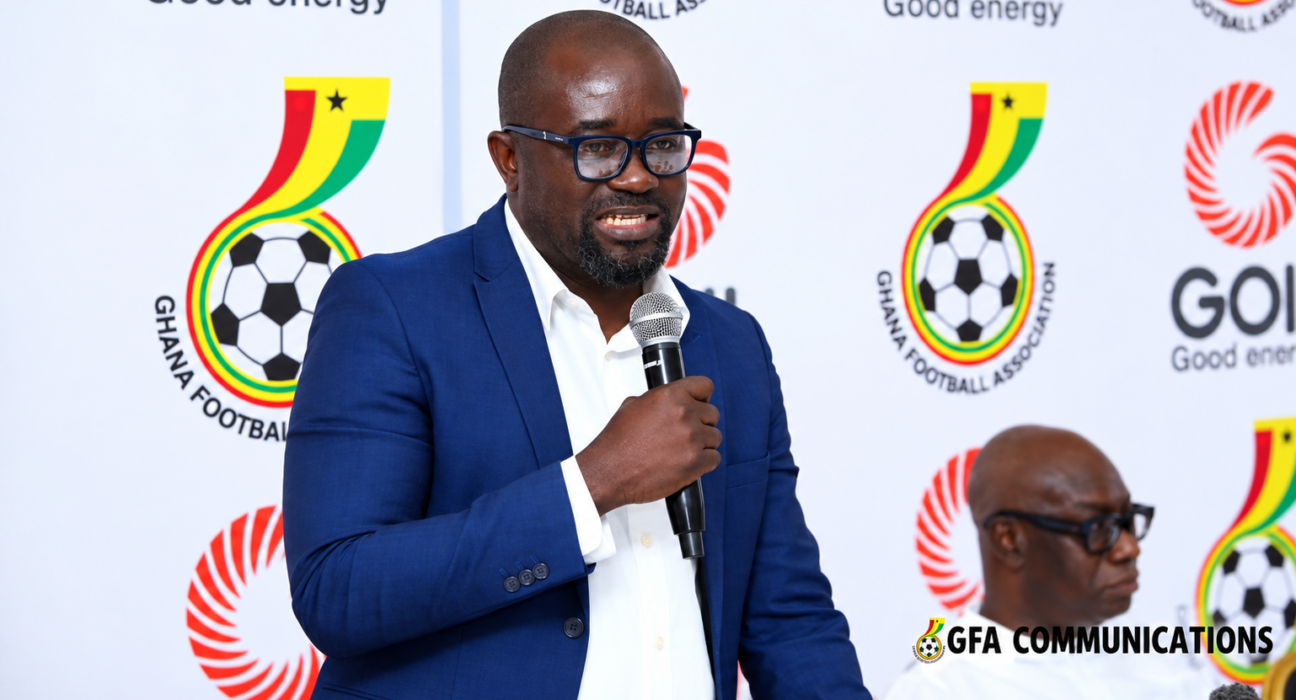
Ghana Football Association moves to limit betting on local matches as part of a broader effort to protect the integrity and credibility of domestic football
The Ghana Football Association (GFA) has announced tighter restrictions on betting involving domestic football matches as the governing body steps up efforts to combat match-fixing and protect the integrity of Ghanaian football.
The decision was announced by GFA President Kurt Okraku during the association’s 32nd Ordinary Congress, where the leadership outlined measures aimed at addressing concerns surrounding betting activity and potential manipulation of domestic fixtures.
According to the GFA, betting companies have not been authorised by the association to offer betting odds on domestic matches. The position represents a significant move by the football governing body as it seeks greater control over activities that could create incentives for match manipulation.
GFA Raises Concern Over Domestic Betting
Sports betting has become deeply connected to football in Ghana, with local and international operators offering a wide range of betting products to consumers.
However, the growth of betting has also created concerns around the integrity of sporting competitions. When betting markets are available on domestic matches, players, officials and other individuals connected to the game can potentially become targets for attempts to influence match outcomes.
The GFA’s latest position seeks to reduce those opportunities by restricting betting activity around Ghanaian domestic fixtures.
The association’s approach reflects growing international concerns about the relationship between sports betting and match-fixing, particularly in competitions where players and officials may be more vulnerable to financial inducements.
Match-Fixing Remains a Major Integrity Threat
Match-fixing occurs when individuals deliberately manipulate aspects of a sporting event for financial or other benefits.
The practice can involve players, officials, coaches or other participants and can target not only the final result but also specific events within a match.
For football authorities, the consequences can be significant. Manipulated matches can undermine supporters’ trust, damage the reputation of competitions and create serious financial and regulatory risks.
The GFA therefore considers protecting the credibility of domestic football a critical responsibility.
Restricting betting markets is one way the association can attempt to reduce the financial incentives surrounding potential match manipulation.
Kurt Okraku Announces the Policy
GFA President Kurt Okraku announced the betting restrictions during the association’s 32nd Ordinary Congress.
The announcement signals a firmer stance from the country’s football governing body regarding betting companies and their involvement in Ghanaian domestic competitions.
By stating that betting operators have not been licensed by the GFA to place odds on domestic games, the association is seeking to establish clearer boundaries around the use of Ghanaian football fixtures for betting purposes.
The move could also encourage greater dialogue between football authorities, betting companies and other stakeholders about how betting products involving domestic competitions should be managed.
Protecting Players and Officials
One of the key reasons for strengthening betting controls is the need to protect players and officials from approaches linked to match manipulation.
Domestic football competitions can be particularly exposed to integrity risks when participants are offered financial incentives to influence specific aspects of games.
Reducing the availability of betting markets could make certain forms of manipulation less financially attractive to criminal networks and other individuals seeking to profit from predetermined outcomes.
However, betting restrictions alone are unlikely to eliminate match-fixing. Strong monitoring, education, reporting mechanisms and enforcement will also be necessary to address the wider problem.
Cooperation Will Be Important
The GFA’s move also highlights the importance of cooperation among different stakeholders within Ghana’s sports and gaming ecosystem.
Football authorities, licensed betting operators, regulators, law-enforcement agencies and integrity organisations all have roles to play in identifying suspicious activity.
Betting operators, for example, can monitor unusual betting patterns and flag potentially suspicious transactions. Football authorities can investigate sporting irregularities, while law-enforcement agencies can pursue cases involving criminal conduct.
Greater information sharing between these stakeholders could help authorities identify potential match-fixing schemes at an earlier stage.
A Broader International Trend
Ghana is not alone in strengthening controls around sports betting.
Football governing bodies and regulators in several markets have introduced restrictions and monitoring mechanisms designed to reduce the risk of match manipulation.
Some jurisdictions limit the types of markets that can be offered on lower-tier competitions, while others impose strict requirements on betting operators to monitor suspicious activity.
These measures reflect the growing recognition that the expansion of sports betting must be accompanied by effective integrity safeguards.
For Ghana, the GFA’s latest announcement represents part of this broader effort to ensure that the commercial opportunities created by sports betting do not come at the expense of sporting credibility.
Maintaining Confidence in Ghanaian Football
For supporters, maintaining confidence in the authenticity of football matches is essential.
Fans expect players and teams to compete fairly and results to be determined by sporting performance rather than outside financial interests.
Any perception that domestic matches can be manipulated could have a damaging effect on attendance, sponsorship, broadcasting and the wider commercial value of Ghanaian football.
The GFA’s restrictions are therefore aimed not only at preventing potential match-fixing but also at protecting the long-term reputation of domestic competitions.
More Integrity Measures May Follow
The latest announcement could pave the way for additional integrity measures as the GFA continues to assess the risks associated with betting and domestic football.
Education programmes for players and officials could help participants understand the dangers and consequences of match-fixing. Improved monitoring and clearer reporting procedures could also make it easier to identify suspicious approaches or behaviour.
At the same time, continued engagement with betting operators could help establish effective safeguards where betting activity is permitted.
Ultimately, the GFA’s decision to restrict betting odds on domestic matches reflects a growing determination to protect Ghanaian football from integrity threats.
As sports betting continues to expand, maintaining a balance between commercial interests and sporting integrity will remain a major challenge. For the GFA, ensuring that domestic football remains fair, transparent and trusted by supporters will be central to the future development of the sport.











2 Comments