

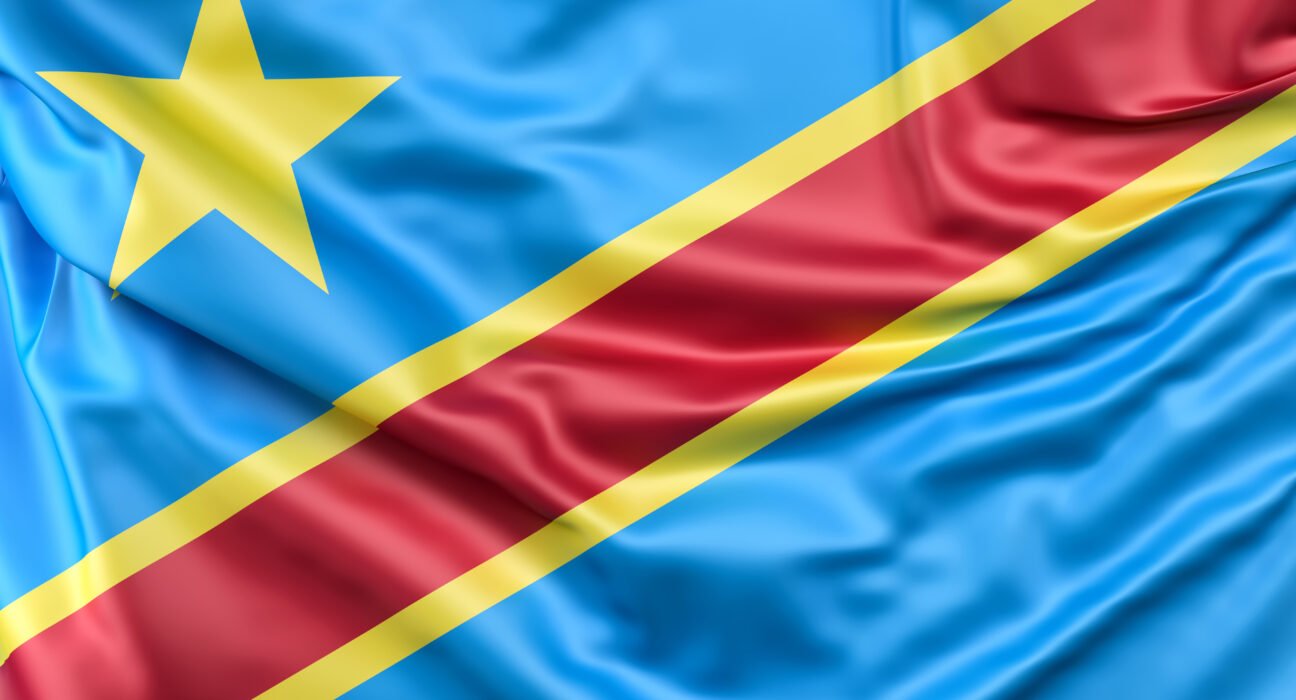
Industry leaders warn that despite ambitious legislation and revenue claims, the absence of a unified regulator and a functional monitoring system continues to leave the Democratic Republic of Congo’s gambling market in a legal and fiscal grey zone.
Much-publicised plans to modernise and regulate the Democratic Republic of Congo’s (DRC) gambling industry are facing growing scepticism from market insiders, who argue that key reforms exist more on paper than in practice. While the government has spoken of new legislation and a centralised monitoring system to oversee all iGaming activity, operators and consultants say effective oversight remains fragmented and largely unenforced.
Louis Richard Tshimbalanga, CEO of Kinshasa-based iGaming consultancy Congoflex Sarl and country manager for PstBet Congo, describes the market as vast but poorly measured. He likens it to “a mighty river surging with immense wealth, but with banks so blurred that no one can accurately measure the gold flowing through it.” According to recent statements by Finance Minister Doudou Fwamba, online gambling operators may be generating close to $1.7bn annually, yet tax receipts reportedly amount to only around $1m — a gap that has intensified doubts about the credibility of current reporting and collection mechanisms.
Although a bill intended to regulate both land-based and online gambling was adopted last year, stakeholders say the framework lacks operational clarity. In practice, operators declare their own revenues, and payments are often made on a goodwill basis. One senior executive at a major betting company, speaking anonymously, noted that the state has no real tools to verify figures. “Some pay 7% of GGR on a few hundred dollars, others on tens of thousands. It depends entirely on the operator’s honesty,” he said.
Institutionally, oversight is split between the state-owned lottery operator SONAL and the Ministry of Finance. SONAL, once the monopoly holder, now seeks a 7% share of operators’ gross gaming revenue, relying on historical mandates that many consider outdated in the digital era. Meanwhile, the Ministry of Finance imposes a 10% tax on winning tickets. However, without access to transactional data, especially from mobile money platforms that dominate payments in the DRC, authorities struggle to verify volumes or enforce compliance.
Mobile payments through services such as Mpesa, AirtelMoney, OrangeMoney and AfricellMoney underpin most betting activity. Yet strict data-protection laws, reinforced by the 2020 Telecommunications Act and the 2023 Digital Code, prevent regulators from accessing user-level information without consent or judicial authorisation. This creates a fundamental tension between fiscal transparency and privacy protection.
Tshimbalanga believes progress is possible, but only if the government establishes a single, legitimate regulator, finalises implementing decrees for data sharing, and deploys a genuine central monitoring system. “You cannot manage what you cannot measure,” he argues. Until then, the DRC’s iGaming sector will continue to operate in a trust-based environment that limits state revenue, creates legal uncertainty for operators, and delays the emergence of a transparent, modern regulatory ecosystem.