


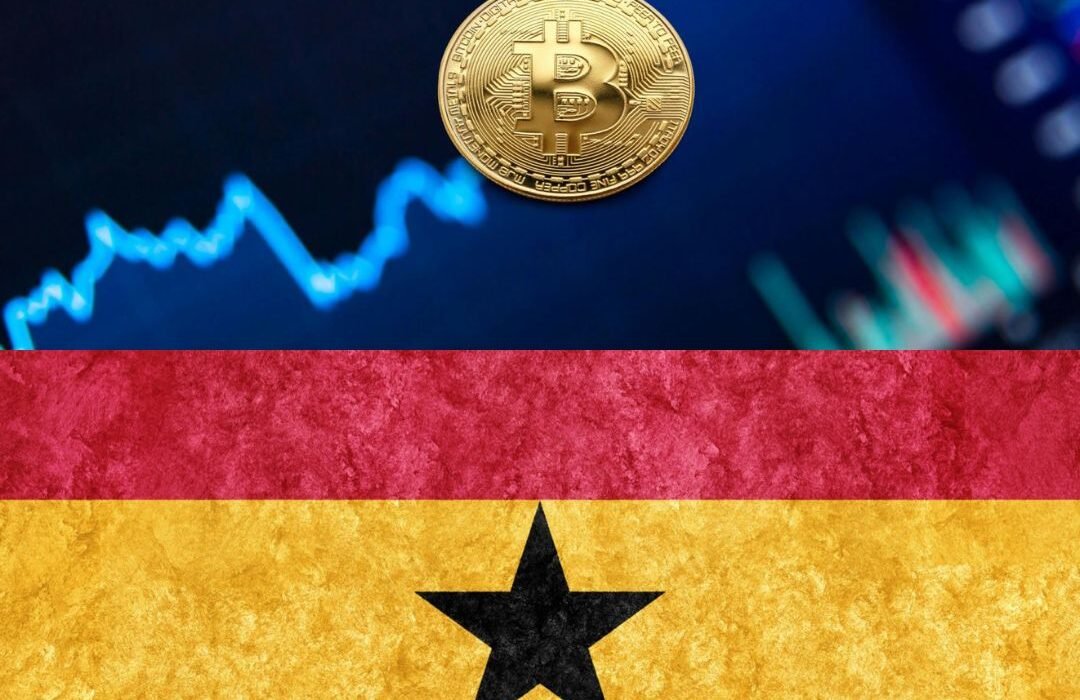
Regulatory oversight, market education, and the potential impact of digital assets on Ghana’s financial and economic landscape
Cryptocurrency has emerged as one of the most transformative financial innovations of the past decade, reshaping how value is stored, transferred, and invested globally. At its core, cryptocurrency is a digital or virtual form of money secured by cryptography and powered by blockchain technology. Unlike traditional fiat currencies, which are issued and regulated by central banks, cryptocurrencies such as Bitcoin (BTC) and Ethereum (ETH) operate on decentralised networks that are not controlled by any single authority. Transactions are recorded on distributed ledgers, making them transparent, tamper-resistant, and accessible across borders.
Alongside the growth of digital assets has been the rise of crypto influencers. These are individuals who use social media platforms, blogs, podcasts, and video channels to educate, promote, or provide commentary on cryptocurrencies, blockchain projects, and investment opportunities. Through market analysis, project reviews, and trading opinions, crypto influencers can significantly shape public perception and investor behaviour. In emerging markets such as Ghana, where access to formal financial education may be limited, influencers often become primary sources of information for retail investors exploring digital assets for the first time.
However, the expanding influence of cryptocurrency and its promoters has drawn the attention of regulators. In Ghana, both the Bank of Ghana (BoG) and the Securities and Exchange Commission (SEC) have made it clear that cryptocurrency activities are not yet fully liberalised. According to Mensah Thompson, Deputy Director-General of the SEC, individuals who promote or advise on crypto investments without proper authorisation may face regulatory sanctions. This position underscores the need for influencers, exchanges, and related service providers to operate within established legal and compliance frameworks in order to safeguard consumers and maintain financial stability.
Despite the cautious regulatory stance, the potential benefits of a well-regulated cryptocurrency ecosystem for Ghana are considerable. From an economic perspective, a clear and supportive framework could attract foreign direct investment and stimulate innovation within the fintech sector, contributing to national growth. For businesses, blockchain solutions offer opportunities for more transparent supply chains, efficient cross-border payments, and the development of tokenised assets.
Financial inclusion is another critical advantage. Digital currencies and blockchain-based services can extend access to financial tools for unbanked and underbanked populations, enabling broader participation in the digital economy. Moreover, regulation enhances market transparency and investor protection, reducing the risk of fraud and building trust in emerging financial technologies. Finally, proper oversight would allow the government to generate tax revenue from crypto-related activities, providing additional resources for public development initiatives.
As Ghana continues to explore the role of digital assets in its financial system, balancing innovation with regulation will be essential. A structured approach that encourages responsible participation by crypto influencers and market players can help unlock the full economic potential of cryptocurrency while protecting the interests of investors and the wider public.