


NLGRB, communications authority, and internet providers align to target fast-growing unlicensed online betting market
Kampala moves toward coordinated digital enforcement as illegal platforms expand reach via mobile networks
KAMPALA, Uganda. Uganda’s National Lotteries and Gaming Regulatory Board (NLGRB) has escalated its fight against illegal gambling operations by launching a strengthened collaboration with the country’s communications regulator and licensed internet service providers (ISPs), aiming to shut down unlicensed betting platforms operating across digital channels.
The initiative forms part of a broader regulatory push to address the rapid shift in gambling activity from physical locations to mobile and online platforms, where enforcement has become significantly more complex due to cross-border hosting and anonymous operators.
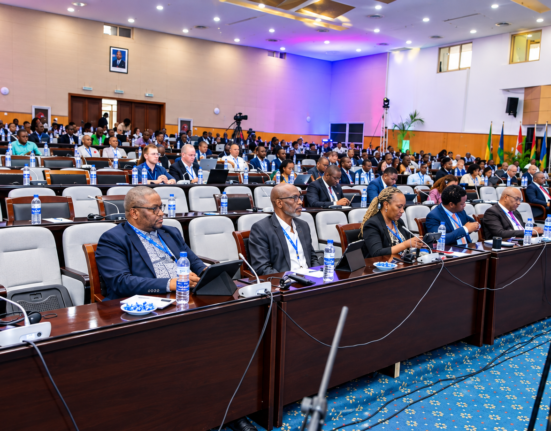
The strategy was discussed during a multi-stakeholder engagement led by the Uganda Communications Commission (UCC), bringing together regulators, telecom operators, and industry stakeholders to improve coordination in monitoring and disrupting illegal gambling services.
Illegal online gambling identified as growing regulatory threat
Authorities noted that unlicensed gambling platforms are increasingly targeting Ugandan users through mobile internet services, bypassing traditional licensing requirements and regulatory oversight.
These platforms often operate from offshore jurisdictions, making it difficult for local enforcement agencies to take direct action without cooperation from telecom infrastructure providers.
NLGRB officials emphasized that this trend poses risks not only to regulatory compliance but also to consumer protection, as users engaging with unlicensed operators lack access to formal safeguards, dispute resolution mechanisms, or responsible gaming tools.
Telecom infrastructure becomes central to enforcement strategy
A key outcome of the engagement was recognition that telecom networks and ISPs now sit at the core of gambling access in Uganda, effectively making them critical enforcement partners.
Regulators and stakeholders discussed mechanisms for improving real-time cooperation between gaming authorities and internet service providers, including enhanced reporting channels and faster response protocols for identifying and blocking illegal gambling websites.
The NLGRB stressed the importance of shifting from reactive enforcement to proactive digital monitoring, where suspicious platforms can be flagged and restricted before they scale user reach significantly.
This approach also includes strengthening compliance obligations for licensed telecom operators to ensure they do not facilitate access to unauthorized gambling services.
Move toward integrated regulatory enforcement framework
Officials highlighted that effective control of illegal gambling requires coordinated action across multiple regulatory domains, particularly gaming regulation and telecommunications oversight.
The collaboration aims to establish a more structured enforcement framework that allows for faster intelligence sharing between agencies, improved identification of illicit platforms, and streamlined takedown procedures.
Authorities also discussed the need for standardized enforcement protocols that would enable quicker blocking of illegal domains and applications without lengthy administrative delays.
This reflects a broader shift toward cybersecurity-driven enforcement models, as gambling increasingly migrates into digital ecosystems that are harder to regulate using traditional methods.
Rising mobile gambling drives urgency for reform
Uganda has seen a significant increase in mobile-based gambling activity in recent years, driven by widespread smartphone adoption and improved internet access.
While licensed operators continue to expand their digital offerings, regulators have raised concerns about the parallel growth of unauthorized platforms targeting the same user base.
Industry observers note that this dual-market structure has created enforcement gaps, particularly where users unknowingly engage with unlicensed services that mimic legitimate betting platforms.
The NLGRB warned that without stronger cooperation from ISPs and telecom providers, illegal operators will continue to exploit these gaps and expand their reach across the country.
Strengthening both enforcement and consumer protection
Beyond enforcement, the initiative is also aimed at improving consumer protection by ensuring that users can more easily distinguish between licensed and unlicensed operators.
The NLGRB reiterated its commitment to ongoing public awareness campaigns, encouraging players to use only approved platforms regulated under Uganda’s Lotteries and Gaming Act.
Officials added that collaboration with communications stakeholders is essential not only for enforcement, but also for building a safer and more transparent gambling ecosystem.
Conclusion; Uganda shifts toward digital-first regulatory control
The partnership between Uganda’s gaming regulator, communications authority, and ISPs signals a significant step toward digital-first enforcement of gambling laws.
As online gambling continues to expand, regulators are increasingly relying on cross-sector collaboration to close enforcement gaps and strengthen oversight.
Authorities say the success of the initiative will depend on sustained coordination, faster information sharing, and stronger compliance from infrastructure providers operating at the center of Uganda’s digital economy.