

Industry stakeholders call for shift from compliance-driven tools to practical player understanding
Lagos symposium puts responsible gaming education at the center of regulatory discussions
LAGOS Nigeria, The push for stronger responsible gaming frameworks across Africa took center stage at a recent Responsible Gaming Symposium in Lagos, where 1xBet Nigeria compliance representative Nnanna Chigozie Ewuzie called for a fundamental shift toward improved player education.
Speaking at the event, Ewuzie argued that responsible gambling measures in their current form are often misunderstood or underutilized by players, limiting their overall effectiveness in reducing gambling-related harm.
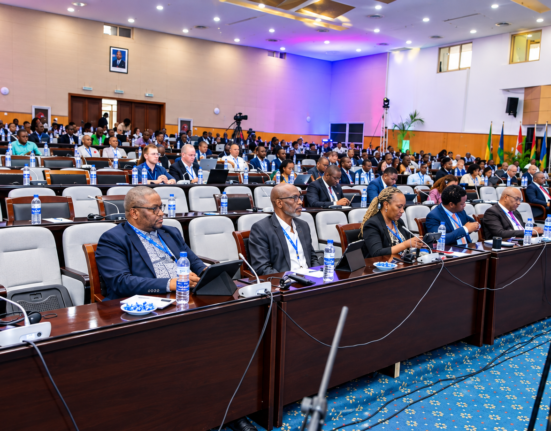
The symposium brought together regulators, betting operators, compliance professionals, researchers, and public health stakeholders to assess the state of responsible gaming practices in Nigeria and broader African markets.
Education gaps undermining responsible gambling tools
Ewuzie emphasized that many responsible gaming tools currently offered by operators, such as deposit limits, self-exclusion features, cooling-off periods, and time management controls, are widely available but not fully understood by users.
According to him, the challenge is not the absence of tools but the lack of awareness and comprehension among players.
He noted that a significant portion of bettors in emerging African markets still approach sports betting with the expectation of consistent financial returns, rather than as a form of entertainment with inherent risk. This perception gap, he said, increases vulnerability and reduces the effectiveness of existing safeguards.
“Tools only work when users understand how and why to use them,” Ewuzie stressed during his presentation, highlighting the need for clearer, more accessible communication strategies.
Player behavior insights highlight structural challenges
Data referenced during the symposium, including findings from 1xBet’s internal Player Protection Index, suggests that in several African jurisdictions, betting is still strongly associated with income generation rather than recreational activity.
Industry observers at the event noted that this mindset contributes to higher risk behavior, including chasing losses and overexposure to betting platforms.
Ewuzie argued that addressing this requires more than regulatory enforcement. Instead, operators must invest in ongoing education that helps players understand probability, odds interpretation, and bankroll management.
He further highlighted that many users fail to engage with responsible gaming features simply because the functions appear technical, confusing, or irrelevant to their immediate betting experience.
Call for localized responsible gaming strategies
A key theme of the discussion was the need for localized approaches tailored to African market conditions.
Ewuzie pointed out that responsible gaming models developed in Europe or North America cannot be directly transferred to African contexts without adaptation. He cited factors such as mobile-first betting behavior, inconsistent digital literacy levels, and the widespread use of cash-based transactions as key differentiators.
He advocated for simplified messaging strategies that prioritize clarity over technical language, suggesting that educational campaigns should rely on straightforward explanations, visual content, and local communication channels.
According to him, “the simpler the message, the more effective the impact” when dealing with diverse user bases.
From compliance obligation to user empowerment
Participants at the symposium broadly agreed that responsible gaming should evolve beyond a compliance requirement and become a core component of user empowerment.
Ewuzie urged operators and regulators to collaborate more closely in defining measurable standards for player education and engagement.
He also emphasized the importance of transparency and data sharing across the industry to better understand player behavior patterns and improve intervention strategies.
1xBet highlights 1xBalance initiative
As part of its responsible gaming efforts, 1xBet showcased its 1xBalance program, which focuses on helping users monitor and manage their betting behavior.
The initiative includes tools such as self-assessment questionnaires, spending trackers, and budget management features designed to encourage more disciplined gambling habits.
Ewuzie noted that such initiatives are most effective when combined with consistent education efforts, ensuring that players not only have access to tools but also understand how to apply them in real-world betting scenarios.
Conclusion: education emerges as industry priority
The Lagos symposium underscored a growing consensus within the African betting industry: responsible gaming frameworks will remain limited in impact unless player education becomes a central pillar.
Stakeholders concluded that improving awareness, simplifying communication, and localizing responsible gaming strategies will be critical to ensuring sustainable industry growth while protecting vulnerable users.
As regulatory pressure increases and markets continue to expand, education is increasingly being positioned not as an optional add-on, but as a core requirement for long-term industry stability.