

Uganda’s gaming regulator has brought operators, licence applicants and government agencies together to clarify regulatory expectations, strengthen player protection and prepare the industry for the 2027 renewal process.
The National Lotteries and Gaming Regulatory Board (NLGRB) has held its annual Pre-Licensing Stakeholder Engagement with gaming industry participants as Uganda prepares to enter the 2027 licence renewal cycle.
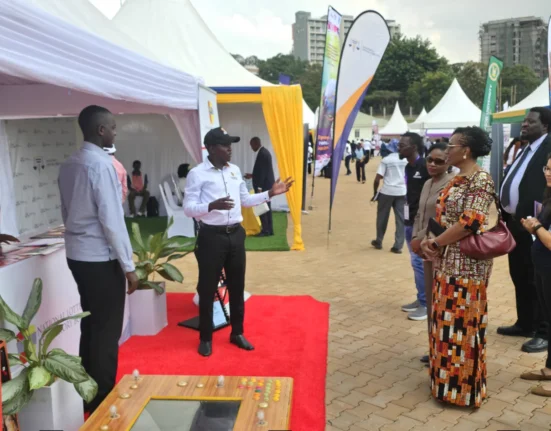
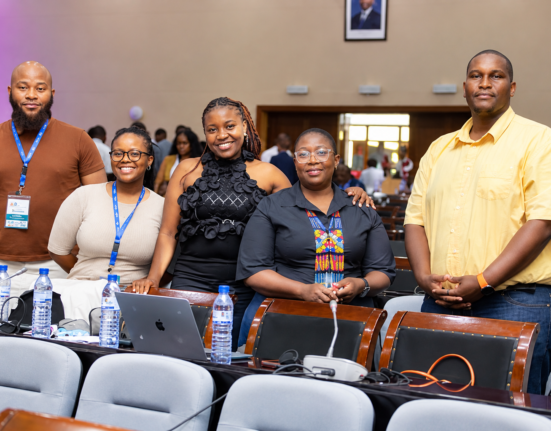
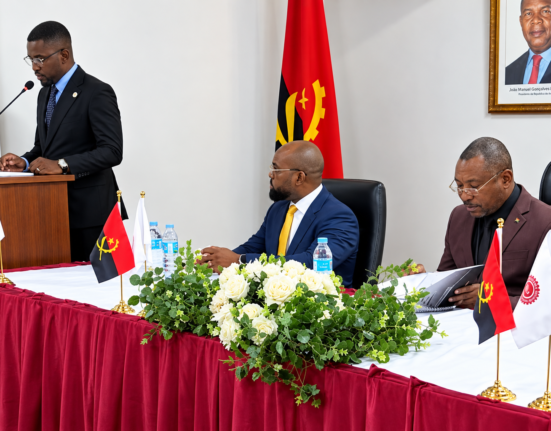
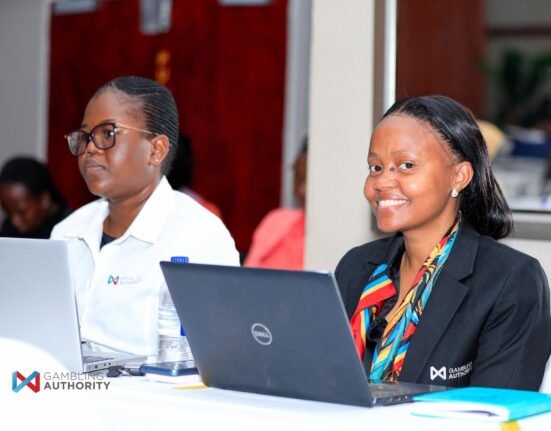
The high-level engagement took place on September 25, 2026, at Royal Suites in Bugolobi and brought together NLGRB management, licensed gaming operators, licence applicants and key government stakeholders, including the Uganda Revenue Authority (URA) and the National Social Security Fund (NSSF).
The meeting provided a platform for the regulator and industry stakeholders to discuss regulatory expectations ahead of the upcoming licensing process, while also addressing broader issues surrounding compliance, responsible gaming and the development of Uganda’s regulated gaming market.
Public Safety and Responsible Gaming Remain Priorities
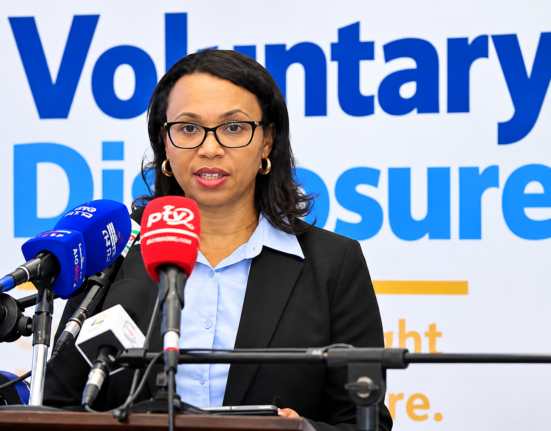
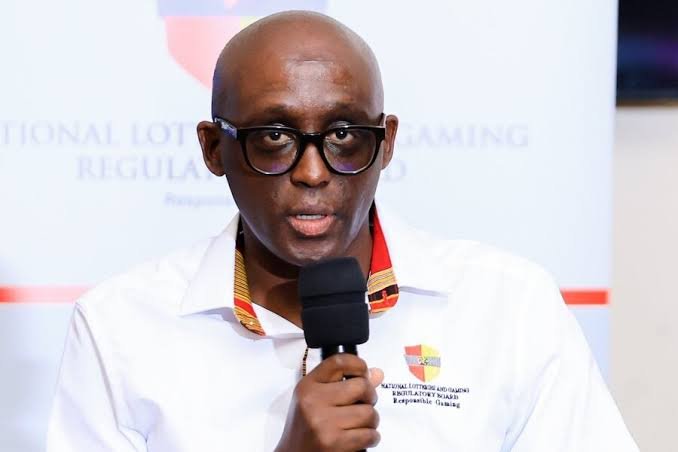
Speaking during the engagement, NLGRB Chief Executive Officer Denis Mudene Ngabirano emphasised that public safety and harm prevention should remain central to the operations of the gaming industry.
According to the Board, the performance of the sector should not be viewed solely through the financial revenue it generates. Operators were therefore encouraged to strengthen measures designed to protect consumers, including effective age-verification mechanisms, self-exclusion tools and responsible gaming messaging.
The focus reflects the regulator’s broader objective of ensuring that the expansion and commercial development of Uganda’s gaming sector is accompanied by appropriate safeguards for players and the wider public.
Ngabirano also outlined the Board’s objective of creating a regulatory environment that protects the public and government revenue while providing legitimate operators with the certainty required to invest, innovate and grow responsibly.
Moving Towards Digital Regulatory Oversight
Another key area highlighted during the engagement was the NLGRB’s transition towards more digital and data-driven regulatory oversight.
The Board is moving forward with electronic licensing platforms and the National Central Electronic Monitoring System (NCEMS), which are intended to support regulatory monitoring and oversight of gaming activities.
The increased use of digital systems forms part of the regulator’s efforts to improve the administration of the sector and strengthen its ability to monitor operators within Uganda’s regulated gaming environment.
Operators Reminded of Their Responsibilities
NLGRB Board Chairperson Kenneth Kitariko reminded gaming operators that holding a licence comes with substantial legal, financial and social responsibilities.
He stressed that a gaming licence should not be regarded merely as an administrative formality. Instead, operators are expected to maintain full compliance with applicable laws, provide accurate and timely reporting and demonstrate a strong commitment to player protection.
Kitariko also reaffirmed the Board’s commitment to maintaining a regulatory framework that is transparent, consistent and predictable. At the same time, operators were reminded of their obligations relating to taxation and other regulatory requirements.
Preparing for the 2027 Licensing Cycle
The annual pre-licensing engagement provides the NLGRB and industry stakeholders with an opportunity to review expectations before the formal licensing process begins.
It also creates space for discussions around emerging issues and allows operators and government agencies to better understand their respective responsibilities as Uganda moves into the next licensing cycle.
For the regulator, the objective is to support a gaming environment built around responsibility, transparency, compliance and sustainability.
As the 2027 licensing cycle approaches, the NLGRB has indicated that it will continue working with industry stakeholders to develop a sector that combines innovation with regulatory oversight and public protection.
The engagement therefore represents an important preparatory step for operators seeking to participate in Uganda’s gaming market during the next licensing period, while reinforcing the regulator’s expectations around compliance and responsible industry development.