



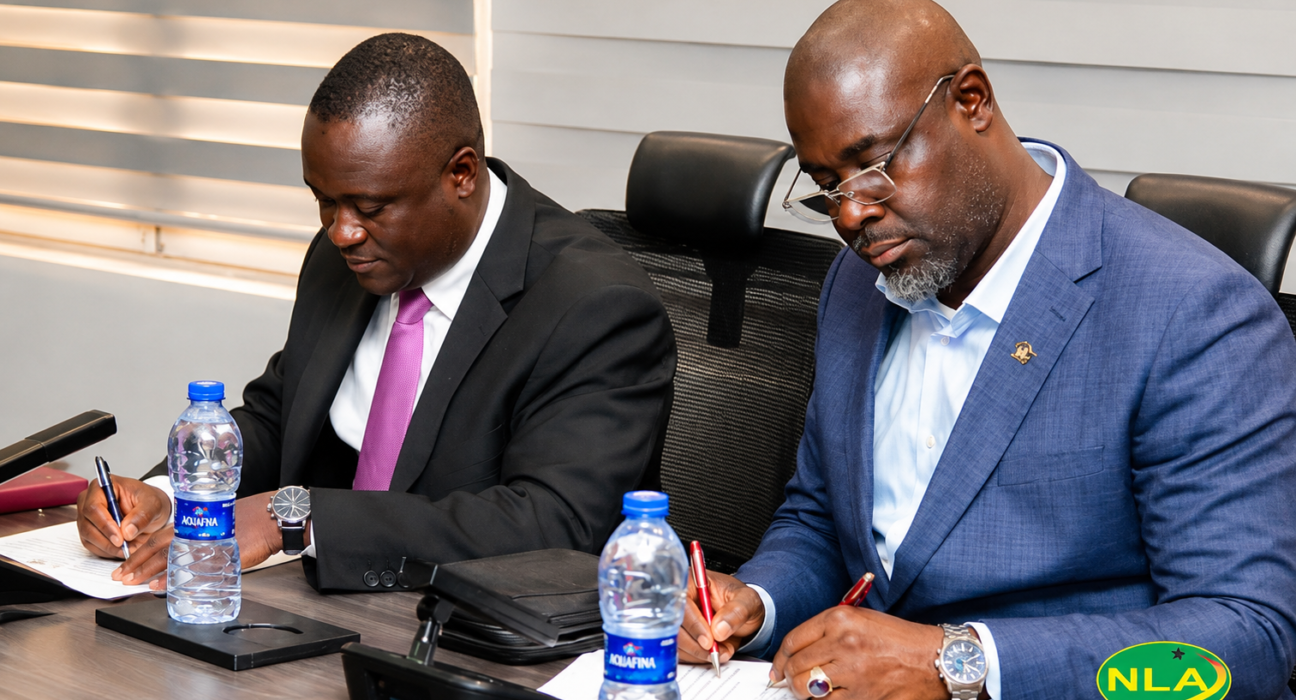
Agreement reached after union action as stakeholders move to restore industrial harmony at Ghana’s National Lottery Authority
The National Lottery Authority (NLA) has reached an agreement with its workers to resolve a long-running salary dispute, with employees set to receive a 12% salary increase following negotiations between management, government representatives and organised labour.
The resolution comes after a period of heightened tension at the state-owned lottery organisation, where workers had raised concerns over reductions in their net salaries and called for a higher salary adjustment to cushion the impact.
Government-Led Meeting Produces Breakthrough
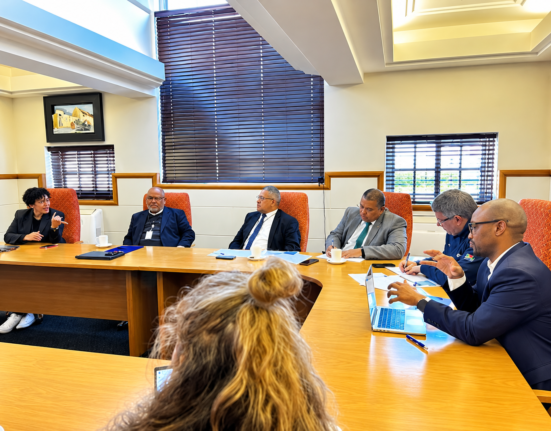
The agreement was reached following a high-level meeting involving key stakeholders in Ghana’s labour and lottery sectors.
Those involved included the Minister for Labour, Jobs and Employment Relations, Hon. Dr. Abdul Rashid Pelpuo, the Chief Executive Officer of the Fair Wages and Salaries Commission (FWSC), Dr. George Smith Graham, NLA Board Chairman Frederick Amissah, and NLA Director-General Mohammed Abdul-Salam.
Representatives of the NLA Local Union and the Financial, Business and Services Employees Union (FBSEU) also participated in the discussions.
The engagement was aimed at finding a mutually acceptable solution to the salary disagreement and preventing the dispute from developing into a prolonged industrial action.
Disagreement Over Salary Increase
At the centre of the dispute was a significant difference between the salary adjustment proposed by management, the recommendation from the FWSC and the demand from organised labour.
NLA management had originally budgeted for a 12% salary increase, while the FWSC had previously recommended an 8% adjustment.
The unions, however, pushed for a substantially higher 17% increase, arguing that workers had experienced reductions in their take-home pay.
The disagreement created growing frustration among employees, eventually leading to industrial action.
Workers Begin Industrial Action
The situation escalated after the NLA Local Union issued a formal notice on August 21, 2026.
Workers subsequently began a sit-down strike and demonstration on August 24, highlighting their concerns over their remuneration and the effect of tax deductions on their salaries.
The industrial action placed additional pressure on stakeholders to find a solution that could address employees’ concerns while maintaining the financial sustainability of the institution.
The subsequent ministerial-level engagement ultimately paved the way for an agreement.
Tax Adjustments Contributed to Salary Concerns
The salary dispute was also linked to changes in income-tax deductions affecting employees’ net earnings.
A Ghana Revenue Authority (GRA) audit identified a six-year backlog of unpaid taxes covering the period from 2016 to 2022.
According to the information surrounding the dispute, the NLA took responsibility for a reported GH¢5 million tax liability. However, workers were still affected by the implementation of the correct tax rates going forward.
As a result, some employees saw reductions in their take-home salaries despite the organisation’s decision to absorb the outstanding tax liability.
This situation became an important factor behind workers’ demand for a larger salary increase.
12% Increase Accepted
Following negotiations, the FWSC agreed to accept the NLA management’s original 12% salary increase proposal.
The agreement effectively brings the salary dispute to an end and provides a compromise between the different positions that had emerged during the negotiations.
While the final increase falls below the union’s initial 17% demand, it represents a higher adjustment than the 8% recommendation previously associated with the FWSC.
The resolution is expected to provide some relief to employees while allowing the NLA to move forward without continued industrial disruption.
Management Calls for Return to Work
Following the agreement, NLA management called on employees to remain calm and return to work.
Management also indicated that remaining concerns arising from the tax adjustments would continue to be addressed in the interest of workers and industrial harmony.
The call is aimed at restoring normal operations across the organisation after the disruption caused by the industrial action.
The resolution also underscores the importance of dialogue between employers, workers, government institutions and organised labour when dealing with sensitive remuneration issues.
Focus Shifts to Industrial Harmony
With the salary disagreement now resolved, attention is expected to turn towards implementing the agreed increase and addressing outstanding concerns related to taxation and employee remuneration.
The NLA is an important institution within Ghana’s gaming and lottery ecosystem, and maintaining stable operations is essential for its employees, stakeholders and the wider industry.
The agreement demonstrates the role of structured negotiations and government intervention in resolving workplace disputes before they develop into longer-term industrial challenges.
For NLA workers, the 12% salary increase provides a negotiated outcome following weeks of disagreement and industrial pressure. For management, the settlement offers an opportunity to restore normal operations and rebuild confidence among employees.
The successful conclusion of the dispute is therefore expected to mark a new phase for the NLA, with both management and workers encouraged to work together towards maintaining stability and improving labour relations.






5 Comments