



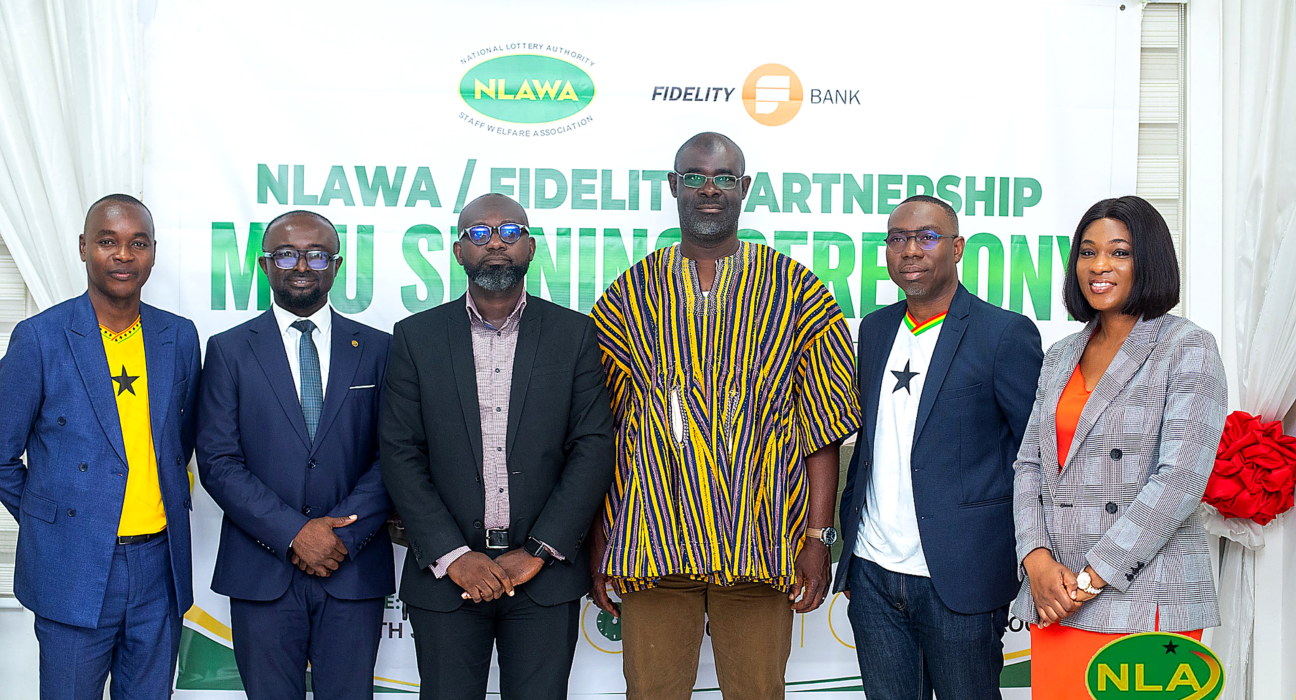
Private Lotto Operators, agents and writers receive an additional two months to complete Ghana’s transition to digital lottery operations
Ghana’s National Lottery Authority (NLA) has granted Private Lotto Operators (PLOs), agents and writers an additional two months to complete the transition from traditional paper-based lottery staking to digital operations.
The revised deadline gives affected stakeholders until October 1, 2026, to discontinue manual lottery staking and move fully to approved electronic systems. The extension follows consultations between the NLA and industry stakeholders as operators continue to adapt to the Authority’s digitalisation programme.
The development provides additional time for operators to install the necessary technology, train staff and address operational challenges before the new deadline takes effect.
Original Deadline Extended
The NLA had initially required licensed PLOs, agents and writers to stop using paper-based staking by August 1, 2026.
However, the Authority has now moved the deadline to October 1 following discussions with stakeholders involved in the digitalisation process.
In a notice dated August 3, 2026, the NLA confirmed the extension while maintaining that the transition away from manual staking remains mandatory.
The additional two months are therefore intended to facilitate a smoother implementation rather than remove the requirement for operators to digitalise their lottery operations.
Push Towards Digital Lottery Operations
The transition forms part of the NLA’s broader strategy to modernise Ghana’s lottery sector.
Under the digitalisation programme, licensed Private Lotto Operators are expected to conduct lottery transactions using approved electronic Point-of-Sale (POS) terminals instead of traditional paper-based methods.
Digital systems can provide regulators with greater visibility over transactions while allowing operators to process lottery sales more efficiently. The technology can also improve the ability to monitor activity and maintain more accurate records.
For the NLA, the move is expected to strengthen oversight while supporting greater transparency and accountability throughout the lottery ecosystem.
Technology Expected to Improve Monitoring
The move away from paper-based staking could also help address some of the challenges associated with manually recorded lottery transactions.
Electronic POS systems can provide real-time transaction data and create digital records that are easier to monitor and analyse. This can potentially reduce errors, improve reporting and strengthen the Authority’s ability to identify irregularities.
The digital approach is also expected to support more effective revenue tracking.
By increasing visibility over lottery transactions, the NLA aims to create a more accountable operating environment for licensed lottery businesses while improving the efficiency of regulatory supervision.
Fidelity Bank Supports Digitalisation Programme
The NLA’s digitalisation efforts are being supported by a strategic partnership with Fidelity Bank PLC.
The partnership is focused on deploying modern electronic POS terminals across the country and upgrading infrastructure used by lottery operators.
The initiative comes amid concerns over ageing equipment, connectivity challenges and other technological limitations that have affected lottery operations.
The upgraded infrastructure is expected to provide operators with more reliable tools for processing transactions while helping improve the broader digital lottery ecosystem.
Improving Prize Payments and Operational Efficiency
Another objective of the digital transformation is to improve the process through which lottery transactions and prizes are managed.
The NLA has identified limitations surrounding existing systems, including challenges associated with instant prize payments and unreliable infrastructure.
Modern electronic systems could help address some of these issues by providing faster transaction processing and better access to digital records.
For customers, a more reliable lottery infrastructure could improve the overall experience, while operators could benefit from more efficient transaction management.
Operators Given More Time to Prepare
The two-month extension provides PLOs, agents and writers with additional time to prepare for the mandatory transition.
Operators will need to ensure that their businesses are equipped with approved POS terminals and that relevant employees understand how to use the systems.
The additional period could also allow stakeholders to address connectivity and infrastructure challenges before paper-based staking is completely discontinued.
However, the new deadline does not change the NLA’s overall policy direction. Operators are still expected to comply with the digitalisation requirement by October 1.
A Major Step for Ghana’s Lottery Industry
Ghana’s move towards fully digital lottery operations reflects a wider transformation taking place across the gaming and lottery sector.
As regulators increasingly rely on technology to monitor transactions, digital systems can provide greater transparency, improved data collection and stronger compliance controls.
For the NLA, replacing paper-based staking with electronic transactions is expected to strengthen regulatory oversight while creating a more modern and efficient lottery environment.
With the new October 1, 2026 deadline approaching, Private Lotto Operators and their agents now have a further two months to complete the transition.
The extension gives the industry additional breathing room, but it also reinforces the NLA’s message that the future of Ghana’s regulated lottery market will be increasingly digital.













5 Comments