

How prudent policy, diversification, and collaboration can consolidate recent gains and secure the future of the Ghanaian cedi.
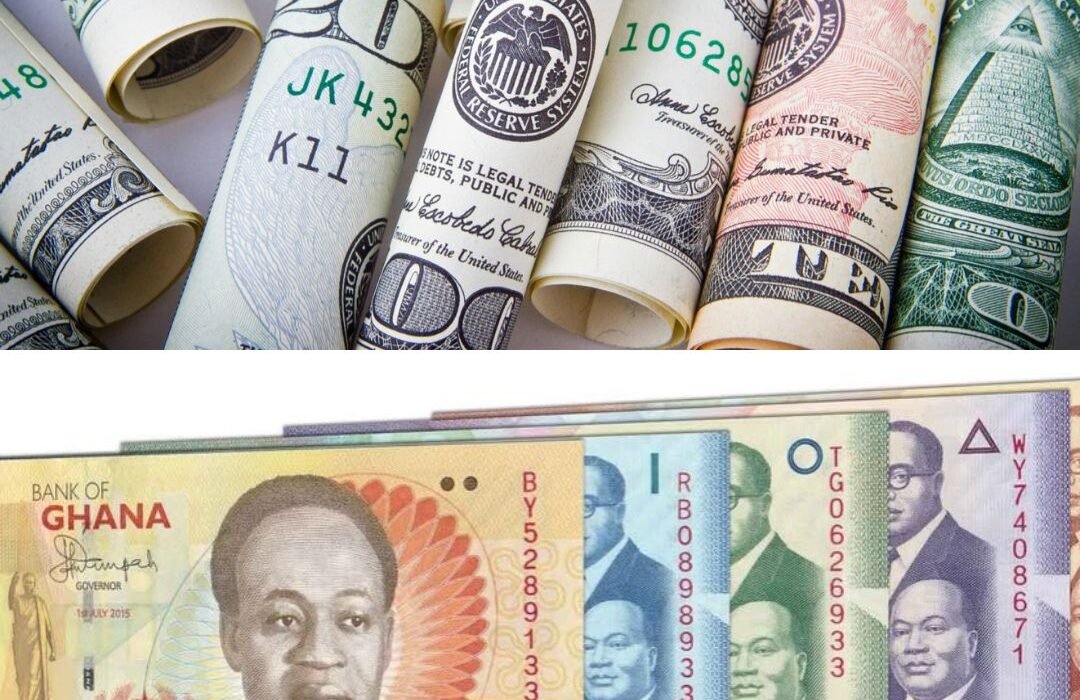
The Ghanaian cedi closed 2025 on a strong note, appreciating by about 40.67% against the US dollar to around GH₵10.45 per $1, according to the Bank of Ghana. This performance marks a significant turnaround after periods of volatility and provides a solid platform for building long-term currency stability. However, sustaining this momentum will require deliberate, coordinated, and forward-looking economic management that goes beyond short-term interventions.
A first priority is strengthening foreign-exchange reserves. Ghana’s export base, traditionally dominated by cocoa, gold, and oil, needs continued diversification. Expanding value-added processing in agriculture, developing technology and digital services, and supporting non-traditional exports can generate more stable and predictable forex inflows. At the same time, prudent reserve management by the central bank can provide a buffer against global shocks such as commodity price swings, tightening financial conditions, or geopolitical disruptions.
Fiscal discipline and transparency are equally critical. When government spending consistently outpaces revenue, the resulting deficits often translate into currency pressure. Aligning expenditure with realistic revenue projections, improving tax collection efficiency, and publishing clear data on foreign-exchange market interventions can enhance investor confidence and reduce speculative attacks on the cedi. Transparency also strengthens policy credibility, which is essential for stabilizing expectations in the financial markets.
On the monetary side, close alignment between inflation control and exchange-rate objectives is required. Interest-rate policy should strike a balance between anchoring prices and supporting economic growth, while open-market operations can be used to manage excess liquidity that might otherwise fuel demand for foreign currency. A coherent and predictable monetary framework helps reduce uncertainty and supports long-term currency stability.
Promoting the use of the cedi in domestic transactions is another strategic pillar. Encouraging businesses to price, invoice, and settle payments in local currency can reduce dollarization and limit unnecessary demand for foreign exchange. The expansion of digital payment systems and potential digital-cedi platforms can further deepen cedi usage, improve transaction efficiency, and enhance monetary policy transmission.
Economic diversification also plays a structural role. Investing in sectors such as agro-processing, renewable energy, manufacturing, and fintech can improve the trade balance and create sustainable sources of foreign exchange. Attracting green and impact investments, in particular, can align currency stability with long-term development and environmental goals.
Finally, sustained collaboration among stakeholders is essential. Regular engagement between the Bank of Ghana, fiscal authorities, commercial banks, exporters, importers, and the private sector can facilitate timely information sharing and coordinated responses to market developments. Leveraging data analytics and forecasting tools can further support proactive, rather than reactive, currency management.
In sum, the recent appreciation of the cedi is an encouraging milestone, but lasting stability will depend on disciplined policies, diversified growth, and strong institutional coordination. By embedding these principles into its macroeconomic framework, Ghana can transform short-term gains into durable currency resilience.