

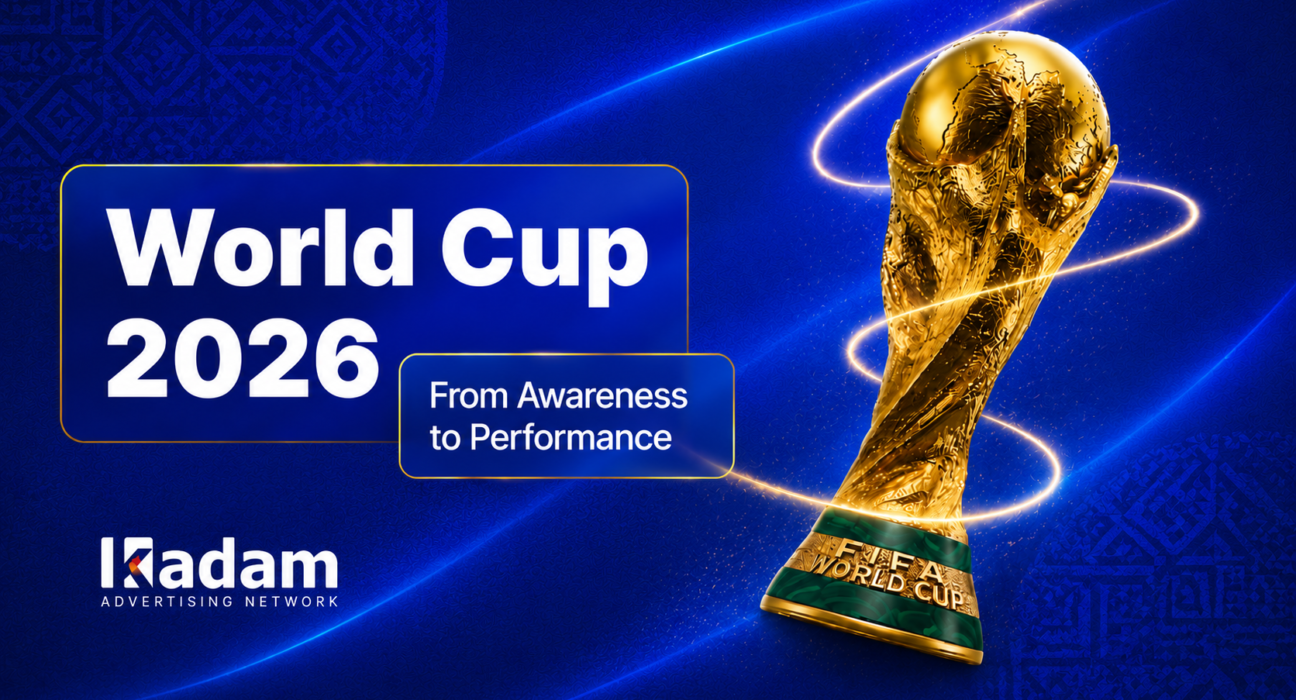
The 2026 FIFA World Cup is shaping up to be one of the most commercially significant sporting events in history. With the tournament expanding to 48 teams and attracting billions of viewers worldwide, it presents a massive opportunity for iGaming operators looking to grow their customer base and increase betting revenues. However, industry experts warn that waiting until the tournament begins to launch marketing efforts could be a costly mistake.
Successful World Cup campaigns are often built months before the opening match. By starting early, operators can establish stronger brand recognition, acquire customers at lower costs, refine marketing strategies, and ensure their platforms are ready for the surge in betting activity that accompanies a global football spectacle. As competition intensifies across regulated markets, early preparation may prove to be the key factor separating market leaders from the rest of the field.
The World Cup Effect on Sports Betting
Major international football tournaments consistently generate significant spikes in betting activity, and the World Cup remains the industry’s biggest event. Fans who may not regularly place wagers often become active bettors during the tournament, creating a unique opportunity for operators to attract new customers.
The 2026 edition is expected to break previous records due to its expanded format and larger global audience. For iGaming brands, this means greater competition but also greater potential rewards for those prepared to capitalize on the increased demand.
Building Brand Awareness Before the Crowd Arrives
One of the strongest arguments for launching campaigns early is the opportunity to establish brand visibility before advertising channels become saturated. As the tournament approaches, operators and advertisers from around the world will compete for the same audience across digital, television, and social media platforms.
Brands that begin marketing efforts months in advance can build familiarity and trust with potential customers. By the time the tournament kicks off, these operators are already top-of-mind among bettors, giving them a significant advantage over competitors entering the market late.
Reducing Customer Acquisition Costs
Advertising costs typically rise sharply in the months leading up to major sporting events. Increased demand for online advertising inventory often results in higher costs per click, impression, and acquisition.
Launching campaigns early allows operators to attract customers before the market becomes overcrowded. Lower acquisition costs can translate into improved marketing efficiency and stronger returns on investment. In many cases, the savings generated through early customer acquisition can be substantial when compared to last-minute campaign launches.
Leveraging Data for Smarter Campaigns
Early campaigns also provide valuable opportunities to gather customer insights. Operators can monitor betting behavior, identify preferred sports and markets, and evaluate how users respond to different promotional offers.
These insights allow brands to create highly targeted campaigns once the World Cup begins. Instead of relying on broad marketing messages, operators can personalize offers based on real customer data, improving engagement and increasing conversion rates throughout the tournament.
Testing Promotions Before the Main Event
The months leading up to the World Cup serve as an ideal testing ground for marketing initiatives. Operators can experiment with welcome bonuses, free bets, loyalty programs, email marketing campaigns, and social media promotions to determine what resonates most with their audience.
This testing period helps brands identify successful strategies while eliminating ineffective ones before betting volumes reach their peak. By the time the tournament starts, operators can confidently deploy proven campaigns that have already demonstrated strong performance.
Ensuring Platforms Can Handle Increased Demand
A successful World Cup campaign is only as effective as the platform supporting it. The tournament is expected to generate unprecedented levels of betting traffic, placing significant pressure on sportsbook infrastructure.
Launching early gives operators time to conduct stress tests, improve platform stability, optimize payment systems, and strengthen customer support operations. Addressing technical challenges before the tournament reduces the risk of outages or service disruptions during critical betting periods.
Creating Long-Term Customer Relationships
While the World Cup delivers a short-term boost in activity, the most successful operators focus on long-term customer retention. Acquiring players before the tournament provides more opportunities to engage them through personalized promotions, loyalty rewards, and ongoing sportsbook experiences.
Rather than treating the World Cup as a one-time revenue event, forward-thinking brands use it as a foundation for sustainable growth that extends well beyond the final match.
Gaining an Edge in an Increasingly Competitive Market
The global iGaming industry continues to attract new operators and investment, making competition fiercer than ever. Brands that delay their World Cup strategy risk entering a crowded marketplace where customer attention is limited and advertising costs are at their highest.
Early movers benefit from stronger brand recognition, larger customer databases, and more refined marketing campaigns by the time the tournament arrives. These advantages can translate into increased betting volumes, improved customer retention, and stronger overall profitability.
Preparing for the Biggest Opportunity of 2026
The FIFA World Cup 2026 represents a landmark opportunity for iGaming operators worldwide. However, success will not be determined solely by what happens during the tournament itself. Instead, it will largely depend on the preparation and strategic planning undertaken in the months leading up to kickoff.
Operators that invest early in customer acquisition, marketing optimization, platform readiness, and brand development are likely to be best positioned to maximize the tournament’s commercial potential. In a rapidly evolving industry, launching World Cup campaigns ahead of the competition could be the difference between simply participating and truly winning.