



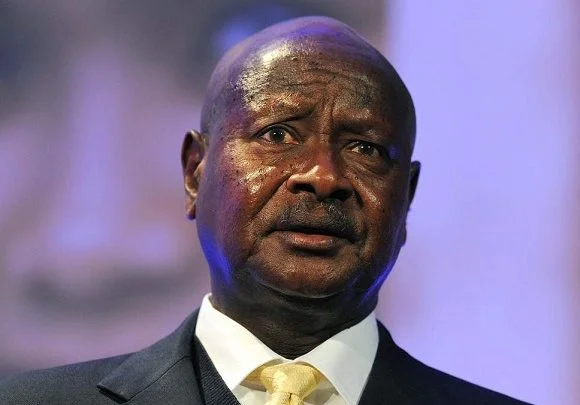
Head of State raises concerns over proposed gaming tax provisions and plastic excise duty, calling for fair taxation and balanced economic policy
Ugandan President Yoweri Kaguta Museveni has returned two key tax amendment bills to Parliament for reconsideration, citing concerns over proposed changes affecting the betting industry and the manufacturing sector. The decision delays the implementation of the Income Tax (Amendment) Bill, 2026 and the Excise Duty (Amendment) Bill, 2026, requiring lawmakers to review several contentious provisions before the legislation can become law.
Among the issues attracting the President’s attention is a proposed withholding tax on betting and gaming winnings, which would apply to some gaming activities while exempting licensed land-based casinos. Museveni argued that the proposal could create inconsistencies within Uganda’s gaming tax framework and potentially undermine fair competition among licensed operators.
The move has sparked renewed discussion about tax policy, regulatory consistency, and the future direction of Uganda’s rapidly growing gaming industry.
Concerns Over Unequal Tax Treatment
One of the President’s principal objections relates to provisions contained in the Income Tax (Amendment) Bill that seek to introduce a withholding tax on betting and gaming winnings.
Under the proposed legislation, winnings from most betting and gaming activities would become subject to taxation. However, winnings generated through licensed land-based casinos operating under Uganda’s Lotteries and Gaming Act would remain exempt.
According to President Museveni, such an arrangement would create unequal treatment for businesses operating within the same industry. He argued that operators engaged in similar commercial activities should be governed by consistent tax policies rather than separate rules that could distort market competition.
The President further noted that maintaining different tax obligations for similar gaming services could encourage tax avoidance and create opportunities for revenue leakage, ultimately affecting government tax collection.
Protecting a Fair Gaming Market
Uganda’s gaming sector has experienced significant expansion in recent years, driven by increased mobile connectivity, digital payment systems, and growing consumer participation in sports betting and online gaming.
As the industry continues to evolve, policymakers have been working to modernize the country’s taxation and regulatory framework to ensure sustainable revenue generation while supporting responsible industry growth.
Museveni’s decision reflects a broader concern that tax reforms should promote fairness across all licensed operators without placing certain segments of the market at a competitive advantage.
Industry stakeholders are now expected to closely monitor Parliament’s review process, as the final outcome could influence future investment decisions and operational strategies across Uganda’s regulated gaming market.
Excise Duty Proposal Also Returned
In addition to concerns surrounding betting taxation, the President also rejected proposed amendments to Uganda’s excise duty regime affecting single-use plastic products.
The Excise Duty (Amendment) Bill sought to increase excise duty on plastic packaging materials from 2.5 percent to 25 percent, representing a substantial rise intended to support environmental protection initiatives.
While acknowledging the importance of reducing plastic waste, Museveni expressed concern that such a significant increase could negatively affect local manufacturers, increase production costs, and reduce the competitiveness of domestic industries.
He also warned that higher taxes could impact employment and discourage investment within Uganda’s manufacturing sector if introduced without sufficient preparation.
Balancing Environmental and Economic Priorities
The President emphasized that environmental objectives should be pursued in a manner that also protects economic growth and industrial development.
He observed that affordable alternatives to plastic packaging remain limited in Uganda, making it difficult for manufacturers to transition immediately to substitute materials.
Rather than implementing a sharp tax increase, Museveni recommended that additional studies and consultations be conducted to identify practical solutions capable of supporting environmental goals without creating unnecessary economic disruption.
His position highlights the government’s effort to balance sustainability initiatives with broader national development priorities.
Parliament to Reconsider the Bills
The two amendment bills had previously been approved before the beginning of Uganda’s 2026/27 financial year. Following the President’s decision, Parliament must now review the disputed provisions before the legislation can proceed further.
The development has generated debate among legislators regarding the parliamentary procedure for reconsidering bills passed during the previous parliamentary session. Nevertheless, parliamentary leadership has indicated that the President acted within the constitutional timeframe for returning the legislation for further review.
Lawmakers are expected to examine the President’s recommendations before deciding whether to amend the proposed provisions or retain their original positions.
Implications for Uganda’s Gaming Industry
President Museveni’s decision introduces fresh uncertainty for Uganda’s betting and gaming sector, particularly regarding the future taxation of gaming winnings and broader fiscal reforms affecting licensed operators.
The outcome of Parliament’s review will be closely watched by gaming companies, investors, tax professionals, and regulatory authorities, as it could shape the industry’s financial and regulatory environment for years to come.
Beyond gaming, the debate also reflects Uganda’s broader challenge of designing tax policies that generate public revenue while maintaining fairness, encouraging investment, and supporting long-term economic growth. As discussions continue, stakeholders across multiple sectors will be awaiting Parliament’s next steps before the proposed reforms can move forward.













3 Comments