

New classrooms and administrative facilities at Libya One Primary School will support 310 pupils while extending the legacy of CAF’s investment in school football.
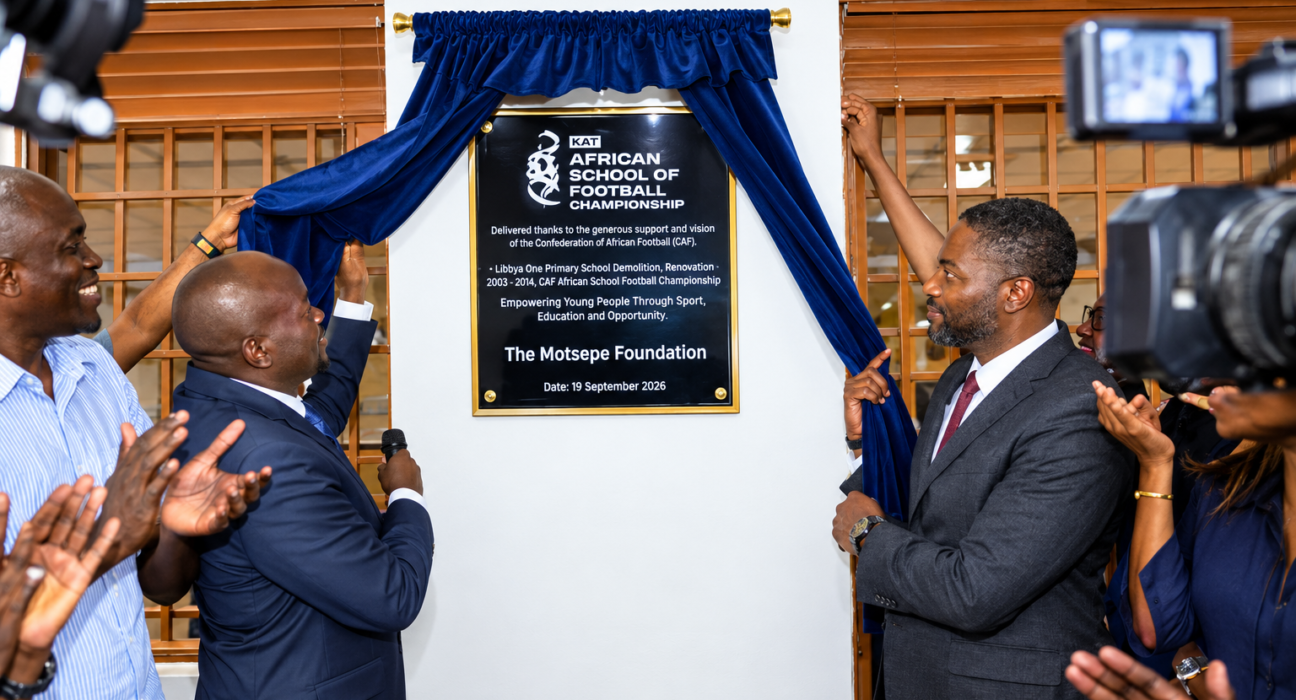
The Confederation of African Football (CAF) has handed over newly constructed facilities at Libya One Primary School in Juba, South Sudan, as part of its efforts to extend the impact of the CAF African Schools Football Championship beyond the football pitch.
Located in the Munuki Payam community, the school has received a new school building comprising two additional classrooms and two administration offices. The new infrastructure is expected to provide improved learning and administrative space for the school’s 310 pupils.
The project was funded through prize money associated with the CAF African Schools Football Championship and supported by the Motsepe Foundation, linking the development of school infrastructure directly to the wider legacy objectives of the continental schools football programme.
Football investment supports education
The Juba project reflects CAF’s approach of using football programmes as a platform for wider community development.
While the African Schools Football Championship is designed to identify and develop young football talent, the programme has also created opportunities to channel resources towards schools and the communities around them.
By investing in classrooms and administrative facilities, CAF is seeking to create benefits that extend beyond sporting competition and contribute to the educational environment in which young players grow and develop.
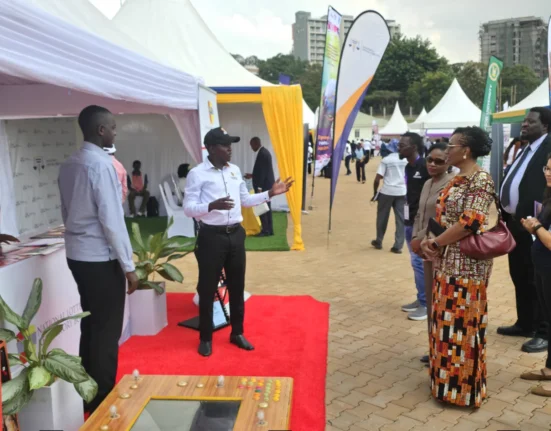
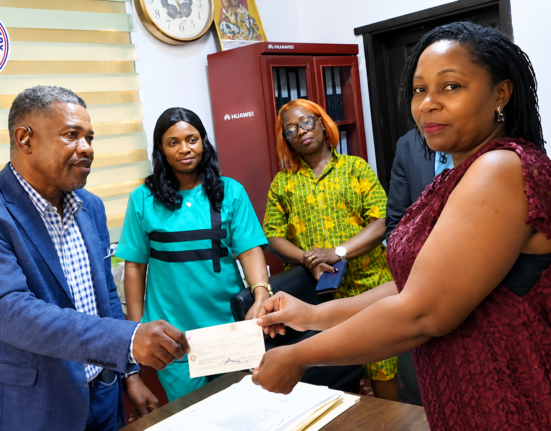
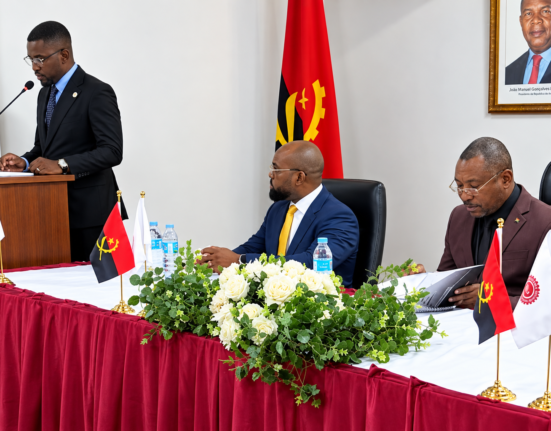
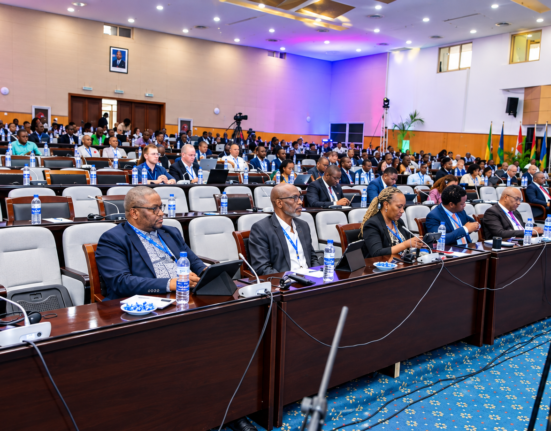
The handover ceremony brought together CAF General Secretary Samson Adamu, CAF Director of Member Associations Sarah Mukuna, representatives of the South Sudan Football Association, school officials, pupils and members of the local community.
The participation of football and education stakeholders highlighted the connection between sporting development and improvements in the institutions serving young people.
Sporting equipment presented to pupils
In addition to the infrastructure, CAF provided pupils at Libya One Primary School with PUMA football equipment and match balls.
The equipment adds a sporting component to the education-focused intervention, giving pupils additional resources to participate in football activities while benefiting from the improved school facilities.
The combination of infrastructure and sporting equipment reflects the broader objectives of the African Schools Football Championship, which seeks to create opportunities for young people through both education and football.
Building a lasting schools football legacy
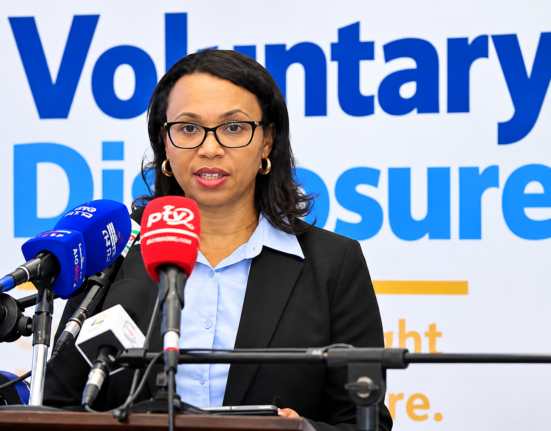
CAF Director of Member Associations Sarah Mukuna described the handover as another milestone for the African Schools Football Championship.
The programme was launched in 2022 under the leadership of CAF President Dr Patrice Motsepe, with the Motsepe Foundation providing USD 10 million in initial funding.
Part of the programme’s prize money is being directed towards projects intended to leave a lasting benefit for participating schools and their surrounding communities.
The Juba development represents the second facility handover linked to the programme. The first took place at Geda Robale Primary School in Ethiopia, where CAF handed over a new library and administration building.
More projects planned across Africa
CAF has indicated that similar legacy initiatives will continue in other participating countries.
Projects are expected to be rolled out in South Africa, Egypt, Guinea, The Gambia, Benin and Seychelles, expanding the programme’s infrastructure and community-development component.
The approach gives the African Schools Football Championship a broader role within the communities involved in the competition. While young players continue to compete and develop their sporting abilities, schools can also benefit from investments designed to improve learning environments.
For Libya One Primary School, the newly delivered classrooms and administrative offices provide additional infrastructure for pupils and staff, while the football equipment supports the sporting activities that form an important part of the programme.
The Juba handover therefore marks another step in CAF’s efforts to connect football development with education and community investment across Africa, demonstrating how resources associated with youth football can contribute to projects with benefits beyond the sport itself.