



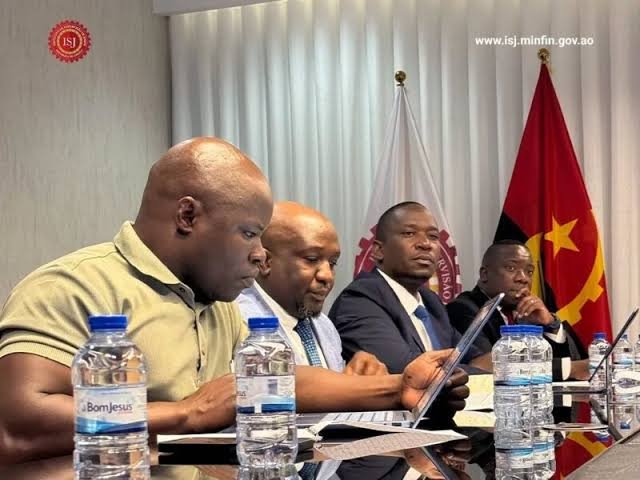
ISJ and MAGLA discuss closer cooperation, regulatory information sharing and technical assistance to address cross-border gaming challenges
The gaming regulators of Angola and Malawi are exploring a new framework for institutional cooperation as both countries seek to strengthen oversight of their respective gambling and lottery industries.
The Institute of Gambling Oversight (ISJ) of Angola hosted a delegation from the Malawi Games and Lottery Authority (MAGLA) on August 13 for discussions focused on regulatory developments, industry challenges and opportunities for closer collaboration.
The meeting brought together senior representatives from both authorities and highlighted the growing importance of cooperation as gaming operators increasingly expand their activities across national borders.
Regulators Seek Greater Cooperation
The meeting was led by ISJ Director-General Nerethz Tati and MAGLA Director-General Muchanankhwaye Mpuluka.
During the engagement, the regulators exchanged views on the challenges facing the gaming and lottery sectors in Angola and Malawi. They also explored ways in which the two institutions could work together to improve regulatory oversight.
One of the main issues discussed was the presence of operators that conduct business in both countries. With gaming companies increasingly operating across multiple African markets, regulators face the challenge of monitoring activities that extend beyond a single jurisdiction.
Closer institutional cooperation could allow ISJ and MAGLA to respond to these challenges more effectively.
Cross-Border Operators Create Regulatory Challenges
The presence of shared operators in Angola and Malawi was identified as an important reason for strengthening cooperation between the two regulators.
When gaming companies operate in multiple jurisdictions, regulators may need access to information from their counterparts in other countries to properly assess compliance and business practices.
Through greater collaboration, ISJ and MAGLA could improve the exchange of relevant regulatory information and strengthen their ability to monitor companies operating across both markets.
The proposed cooperation is also expected to support efforts to ensure that operators meet requirements relating to legality, transparency and regulatory compliance.
MoU Could Formalise Partnership
A key outcome of the discussions was the exploration of a potential Memorandum of Understanding (MoU) between ISJ and MAGLA.
The proposed agreement would provide a formal structure for cooperation between the two regulatory authorities. Rather than relying primarily on informal communication, an MoU could establish clear areas of collaboration and create a framework for continued engagement.
Such agreements can be particularly valuable when regulators are dealing with similar challenges and operators that have activities in multiple countries.
For Angola and Malawi, a formal partnership could provide a foundation for long-term regulatory cooperation.
Sharing Technical Expertise
Technical assistance is expected to be an important component of the potential agreement.
ISJ and MAGLA discussed opportunities to share regulatory knowledge, technical expertise and institutional experience. This could allow each authority to benefit from lessons learned by its counterpart.
The proposed cooperation could also involve the exchange of regulatory documentation, procedures and standardised oversight checklists.
Sharing these resources could help the regulators compare their respective approaches, identify potential gaps and improve internal regulatory processes.
Exchange of Best Practices
The two authorities are also expected to benefit from exchanging best practices in gaming supervision.
The African gaming industry continues to evolve rapidly, with regulators facing new challenges related to digital betting, online gaming, technology and increasingly sophisticated operators.
By learning from each other’s experiences, ISJ and MAGLA could strengthen their respective approaches to market supervision and compliance enforcement.
The exchange of knowledge could also help both institutions develop more effective responses to emerging regulatory risks.
Strengthening Institutional Capacity
Beyond monitoring operators, the proposed partnership could contribute to broader institutional capacity building.
Regulatory authorities require skilled personnel, effective procedures and access to appropriate technical resources to supervise modern gaming markets.
Cooperation between ISJ and MAGLA could provide opportunities for officials to share knowledge and develop their technical capabilities.
This could ultimately support more effective regulation while helping both countries adapt to changes within the gaming industry.
Towards Safer and More Transparent Markets
The discussions between the Angolan and Malawian regulators reflect a wider focus on improving responsible, transparent and compliant gaming environments across Africa.
Greater cooperation can provide regulators with additional tools to address cross-border activities while improving communication between national authorities.
For licensed operators, stronger cooperation could also create greater clarity around regulatory expectations when expanding into new markets.
A Potential New Chapter in Regional Cooperation
Although the proposed MoU had not yet been finalised at the time of the discussions, the engagement between ISJ and MAGLA represents an important step towards deeper cooperation between Angola and Malawi.
The potential agreement could cover technical assistance, regulatory information sharing, documentation, procedures and best-practice exchange.
As both countries continue developing their gaming and lottery sectors, closer collaboration could help regulators respond more effectively to cross-border operators and emerging industry challenges.
The discussions ultimately demonstrate the increasing importance of regional regulatory cooperation in Africa’s gaming industry. As operators expand across multiple jurisdictions, partnerships between regulators such as ISJ and MAGLA could become increasingly important in ensuring that the sector develops in a controlled, transparent and responsible manner.













5 Comments