


An Industry Accelerating at Unprecedented Speed
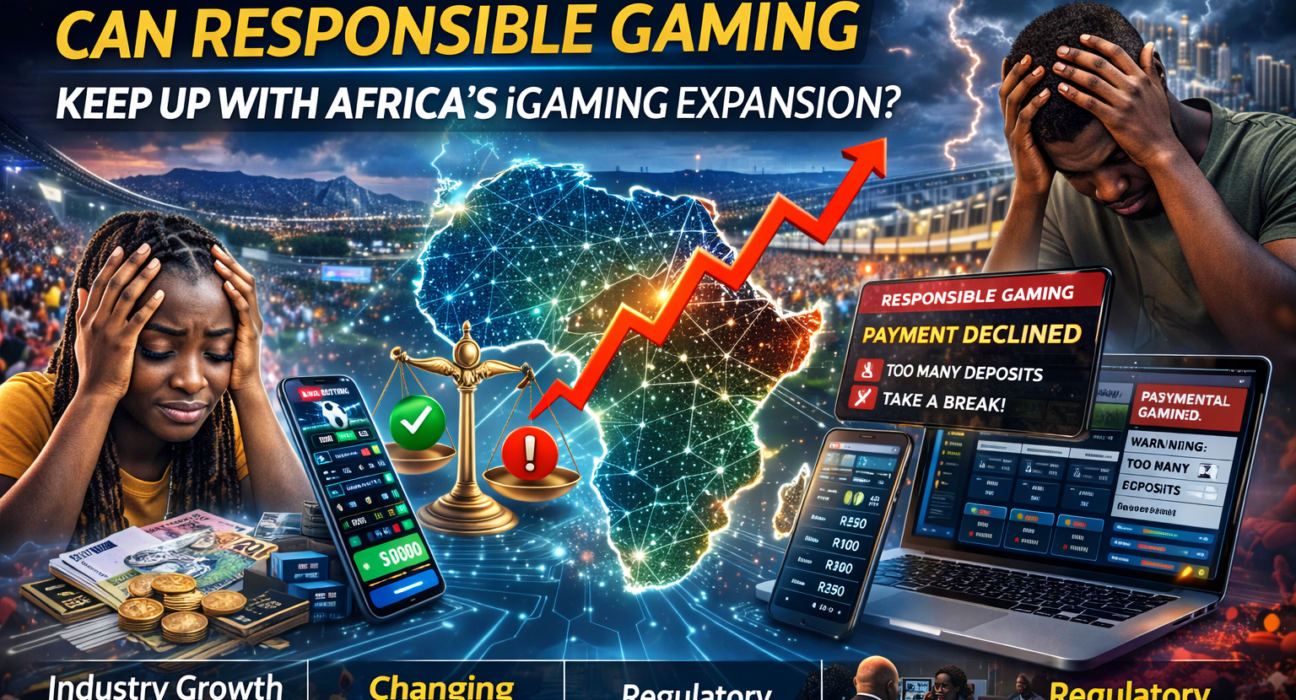
Africa’s iGaming sector continues to record robust growth, fuelled by smartphone penetration, mobile payments, and a young, digitally fluent population. New operators, aggressive marketing strategies, and evolving betting formats have intensified competition across regulated markets. Yet this rapid expansion has created a structural challenge: responsible gaming mechanisms are struggling to scale at the same pace as player acquisition and engagement.
While revenue figures and licensing activity dominate headlines, industry observers warn that sustainability depends equally on consumer protection frameworks, behavioural safeguards, and regulatory oversight.
Growth Versus Player Protection
Commercial growth and responsible gaming are not opposing forces, but they often move at different speeds. Operators are optimised for rapid onboarding, retention, and lifetime value (LTV), whereas responsible gaming programmes require long-term investment, education, and monitoring infrastructure.
Key concerns emerging across African jurisdictions include:
- Insufficient visibility into problematic play patterns
- Limited adoption of self-exclusion tools
- Gaps in early intervention systems
- Uneven enforcement of responsible gaming standards
Without proportional strengthening of safeguards, accelerated growth risks exposing vulnerable player segments to harm.
Changing Player Behaviour Intensifies Risk
Digital betting environments have reshaped how players interact with wagering products. Features such as live betting, micro-betting, and continuous gameplay loops encourage higher frequency engagement. For many users, gambling is no longer episodic but persistent and real-time, increasing the potential for impulsive decision-making.
Additionally, macroeconomic pressures in several African markets have altered player motivations. Betting is sometimes perceived as an income supplement rather than pure entertainment, a behavioural shift associated with elevated problem gambling risk.
Responsible gaming frameworks designed for traditional betting cycles may be ill-equipped for these faster, more immersive digital dynamics.
Technology as Both Catalyst and Solution
Technology has undeniably accelerated industry growth, but it also offers the most effective path toward harm reduction. Advanced analytics, AI-driven monitoring, and behavioural modelling can help operators detect:
- Sudden spikes in betting intensity
- Loss-chasing patterns
- Extended session durations
- Deposit irregularities
When integrated effectively, these tools enable proactive intervention rather than reactive damage control. However, adoption remains inconsistent, particularly among smaller operators with constrained resources.
Regulatory Pressure and Evolving Expectations
Regulators across the continent are increasingly recognising that licensing and taxation alone cannot define market success. There is growing emphasis on:
- Responsible gaming compliance audits
- Mandatory player protection tools
- Advertising restrictions
- Funding for treatment and education programmes
Authorities are shifting toward frameworks that evaluate not only financial integrity but also social responsibility performance.
Operators failing to adapt may face reputational, legal, and commercial consequences.
Closing the Gap Between Expansion and Responsibility
To withstand this “stress test of growth,” stakeholders must align commercial strategies with consumer protection priorities. Critical actions include:
- Embedding responsible gaming tools directly into UX design
- Normalising deposit limits and cooling-off features
- Expanding player education initiatives
- Leveraging AI for real-time behavioural risk detection
- Strengthening collaboration between regulators and operators
Responsible gaming should evolve from a compliance checkbox into a core operational pillar.
Conclusion: Sustainability Depends on Balance
Africa’s iGaming boom represents innovation, investment, and digital transformation. But long-term viability will hinge on the industry’s ability to balance expansion with protection. Markets that successfully integrate growth with robust responsible gaming frameworks are more likely to achieve regulatory stability, player trust, and durable profitability.
The real measure of success is no longer just growth, it is sustainable growth.