

Regulatory Guidance Aimed at Eliminating Ambiguity
The National Gambling Board has issued formal clarification regarding the legal status of remote gambling servers and interactive gambling operations within South Africa. The directive seeks to remove persistent uncertainty among operators and provincial regulators concerning the certification and legality of online casino infrastructure under the existing legislative framework.
At the core of the clarification is the reaffirmation that interactive gambling, defined as gambling activities conducted over the internet beyond licensed sports betting, remains unlawful unless expressly authorised by national legislation. The regulator emphasised that no provincial authority has the mandate to approve or legitimise such operations outside the scope of current law.
Remote Gambling Servers Not Recognised as Lawful Systems
A central element of the Board’s notice concerns Remote Gambling Servers (RGS), the technological backbone used to host and operate online casino games. The regulator confirmed that these servers do not qualify as approved gambling systems under the National Gambling Act. Consequently, they cannot be legally certified or sanctioned for deployment within the country.
The clarification aligns with guidance from the National Regulator for Compulsory Specifications, which determined that existing technical standards governing gambling systems do not extend to standalone remote gambling infrastructure. Any previous certifications issued under misinterpretation of these standards are either invalid or subject to non-renewal.
Provincial Authorities Directed to Enforce Compliance
The National Gambling Board has instructed all provincial licensing authorities to ensure that enforcement practices reflect this clarified legal interpretation. Provinces are expected to prevent the operation of remote gambling servers facilitating online casino-style gaming and to ensure that licensees adhere strictly to permitted wagering frameworks.
This directive underscores the division of authority within South Africa’s gambling governance structure, where provinces regulate licensed betting activities but must operate within the confines of national legislation. The Board’s intervention aims to ensure uniform enforcement across jurisdictions and avoid regulatory fragmentation.
Distinction Between Sports Betting and Interactive Gambling
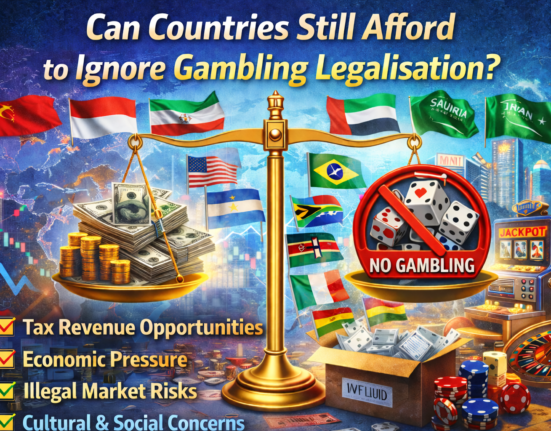
The clarification reiterates that licensed online sports betting remains permissible under current law. However, casino-style interactive gambling, online poker platforms, and other internet-based gaming formats remain prohibited until enabling national legislation is enacted.
This distinction is particularly significant given the growth of digital betting platforms and increased consumer demand for online gaming products. While sports wagering continues to operate under established provincial frameworks, other forms of remote gambling remain outside the legal boundary.
Legislative Outlook and Industry Implications
The regulatory notice arrives amid ongoing discussions surrounding potential legislative reform that could introduce a formal framework for remote gambling. Until such reform materialises, the Board’s position remains unequivocal: remote gambling servers are not legally recognised systems under current South African law.
For operators and technology providers, this clarification reinforces the need for strict compliance with authorised wagering systems and transparent engagement with regulators. As the gambling sector evolves, regulatory certainty will play a decisive role in shaping investment, innovation, and long-term industry stability within South Africa’s gaming landscape.