

The responsible gambling organisation is bringing gambling harm reduction into the student wellbeing conversation as digital betting becomes increasingly accessible to young people.
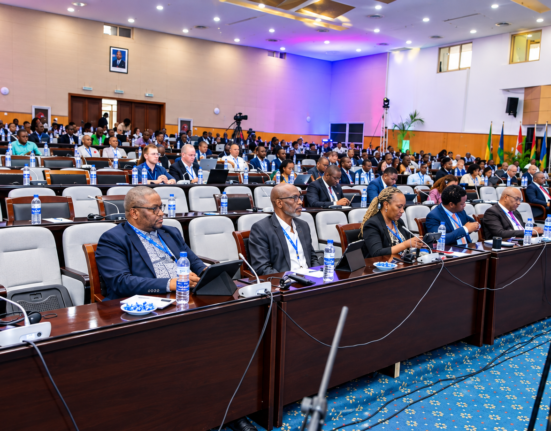
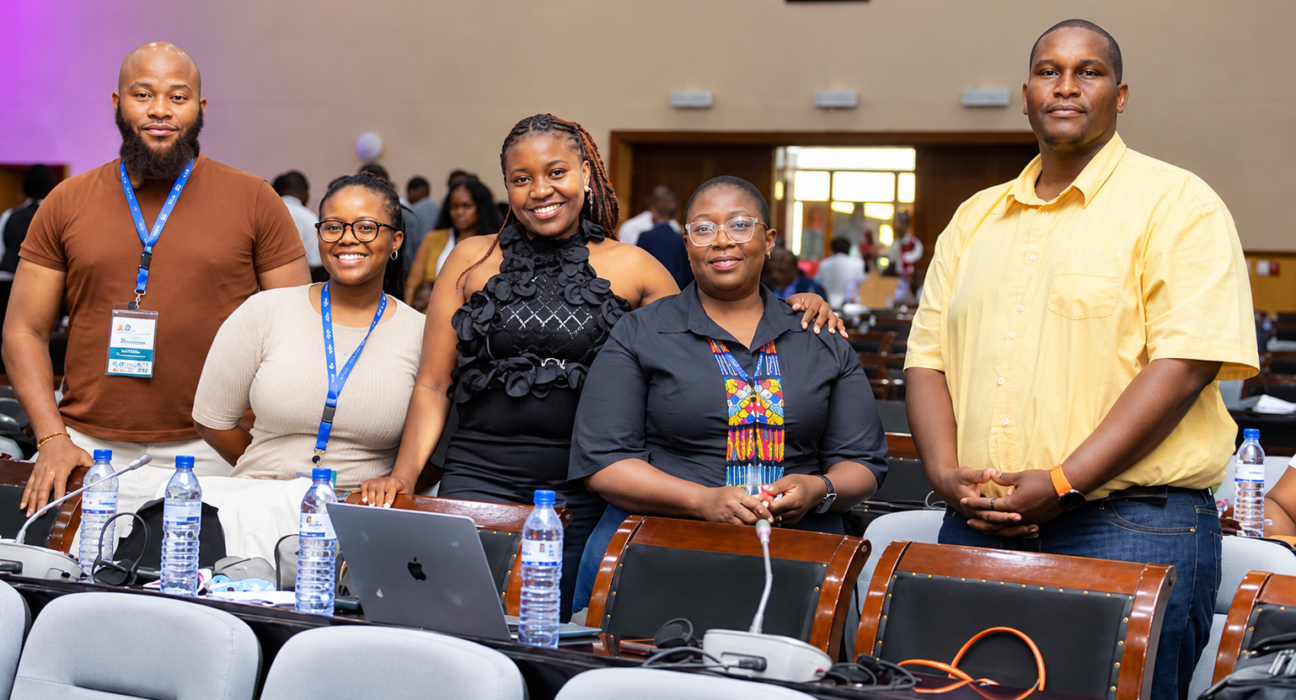
The South African Responsible Gambling Foundation (SARGF) is participating in the 2026 Southern African Association for Counselling and Development in Higher Education (SAACDHE) Conference, using the platform to promote greater awareness of gambling-related harm within the region’s higher-education sector.
The conference, themed “Rooted Currents: Student Healing, Growth, and Belonging in Southern African Higher Education,” brings together professionals involved in counselling, mental healthcare and student development.
For SARGF, the gathering provides an opportunity to connect gambling harm reduction with the wider student wellbeing agenda at a time when gambling is becoming increasingly accessible through mobile devices and digital platforms.
Bringing gambling into the student wellbeing conversation
SARGF’s participation reflects an effort to ensure that gambling-related risks are considered alongside other challenges affecting students.
The foundation has highlighted the changing environment in which young people encounter gambling, particularly through online platforms, mobile access and sports betting. These developments have made gambling increasingly accessible and have changed the way students can interact with betting products.
SARGF is therefore bringing a public-health perspective to discussions around the potential impact of gambling on student wellbeing.
The organisation is focusing on the importance of prevention, early conversations and accessible support, particularly for students who may be vulnerable to gambling-related harm.
Growing focus on tertiary students
The engagement comes as SARGF continues to develop initiatives specifically targeting students in higher education.
In July, the foundation launched its “Taking Risks Wisely: Tertiary Edition” (TRWTE) initiative through the National Responsible Gambling Programme. The programme is designed to educate tertiary students about excessive gambling, strengthen financial literacy and improve access to support services.
SARGF reported that 198 tertiary students were among the 5,199 people assessed through its counselling helpline during the 2025/26 financial year, compared with 163 students in the previous year. The organisation also reported that 51 students in the latest period exhibited suicidal ideation, compared with 38 in the previous financial year.
These figures have reinforced the foundation’s focus on prevention and early intervention among students.
Strengthening institutional support
Through its tertiary-focused programme, SARGF is seeking to strengthen the ability of educational institutions to respond to gambling-related concerns.
The initiative includes education and awareness, financial literacy, institutional support and referral pathways. Universities and other tertiary institutions can play an important role in identifying students experiencing difficulties and connecting them with appropriate assistance.
The foundation’s National Responsible Gambling Programme integrates education, research and treatment, while providing access to counselling and treatment services for people experiencing gambling-related problems.
The SAACDHE platform provides an opportunity to connect these services and approaches with professionals working directly in higher-education counselling and student development.
Digital gambling presents new challenges
The growth of digital gambling is another important consideration for higher-education institutions.
Mobile betting and online gambling platforms allow students to access gambling products with greater convenience, while sports betting can be integrated into everyday digital and social environments.
SARGF’s participation in the conference is consequently focused not only on gambling itself, but also on understanding how changing technology and access can influence student wellbeing.
The organisation’s approach places emphasis on prevention and creating opportunities for students to discuss gambling before problems become more severe.
Collaboration remains central
SAACDHE describes itself as a network of counselling and development service providers within higher education in Southern Africa, with a focus on strengthening counselling and development services at higher-education institutions.
SARGF’s participation adds gambling harm reduction to that broader support environment.
By engaging with counsellors, student-support professionals and other higher-education stakeholders, the foundation can encourage greater awareness of gambling-related risks and promote pathways to professional assistance.
The collaboration also reflects SARGF’s broader emphasis on partnerships between regulators, institutions, industry stakeholders and community organisations in addressing gambling harm.
Looking ahead
As gambling continues to evolve through mobile technology and online platforms, the intersection between gambling, financial wellbeing and student support is likely to remain an important issue for higher-education institutions.
SARGF’s engagement with SAACDHE places gambling harm reduction within the wider conversation around student healing, growth and belonging, while reinforcing the importance of prevention and accessible support.
Through initiatives such as the Taking Risks Wisely: Tertiary Edition and its engagement with higher-education professionals, the foundation is seeking to strengthen awareness and ensure that students who experience gambling-related difficulties can access appropriate support.
The latest engagement demonstrates the growing role of collaboration between responsible gambling organisations and higher-education support networks in addressing gambling-related harm among young people across Southern Africa.