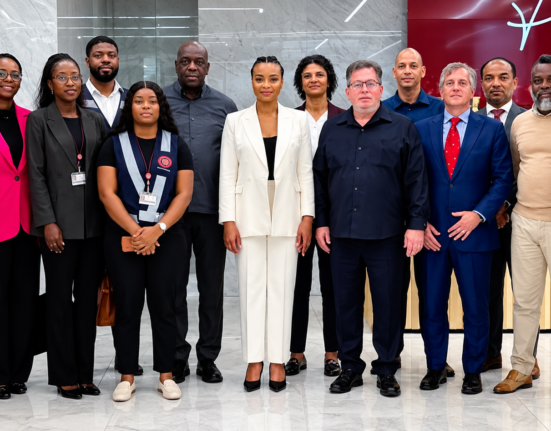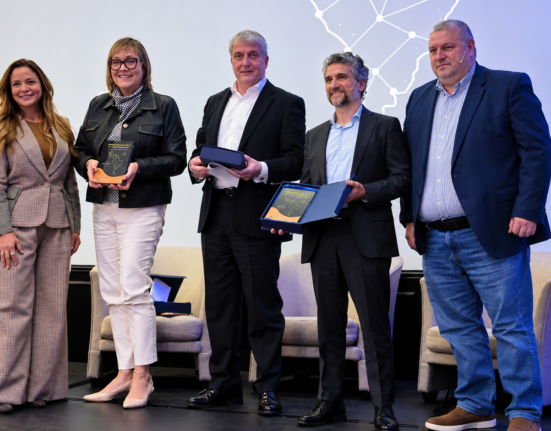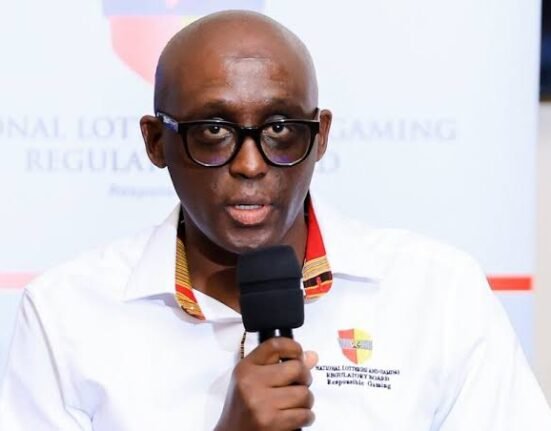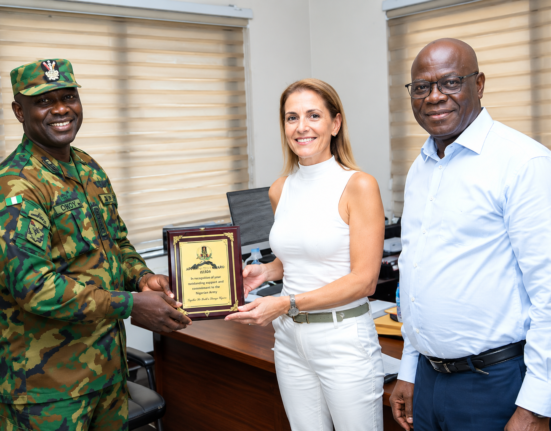


Uganda’s gaming regulator is strengthening public awareness around safer gambling, calling on participants at the National Leadership Institute to help promote responsible behaviour, protect vulnerable groups and increase understanding of gambling-related risks.
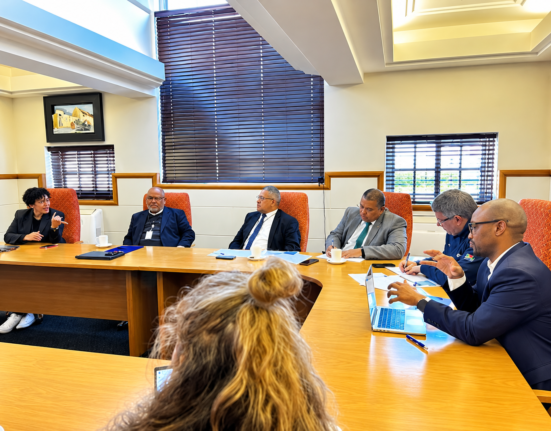
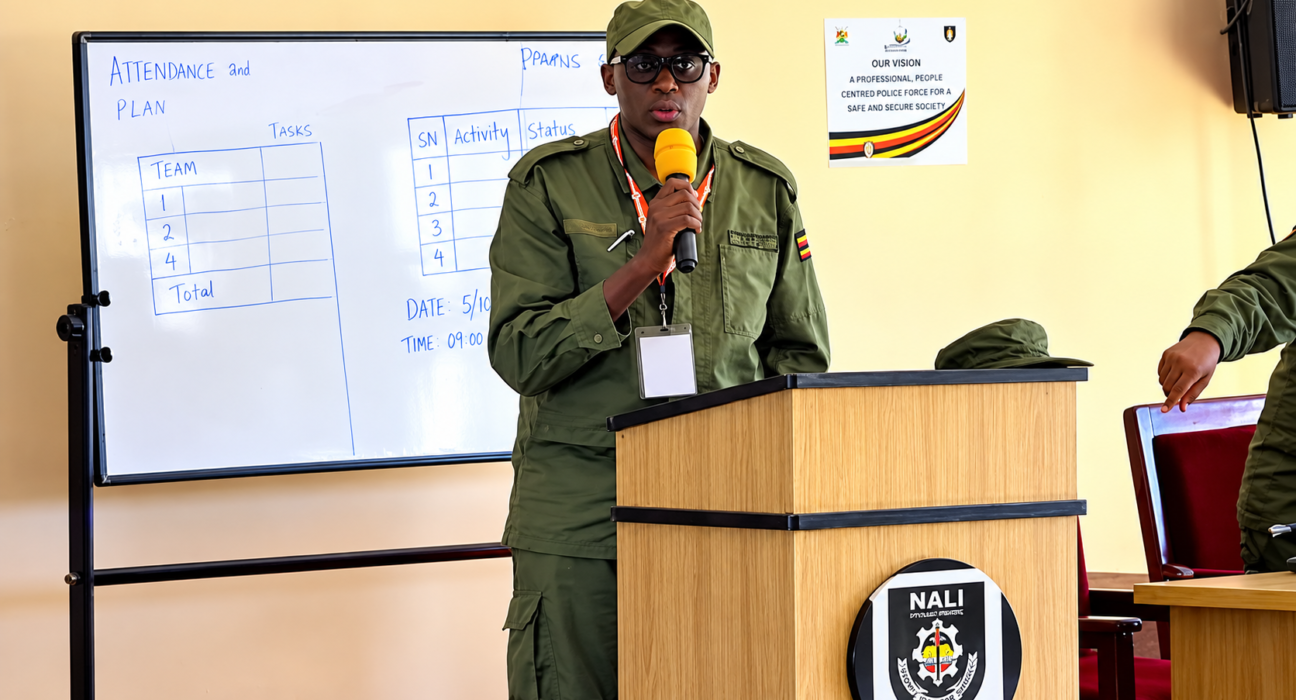
Uganda’s National Lotteries and Gaming Regulatory Board (NLGRB) has urged participants at the National Leadership Institute (NALI) in Kyankwanzi to support efforts aimed at promoting responsible gaming and increasing public awareness of the potential risks associated with gambling.
The engagement forms part of the regulator’s broader approach to player protection, which combines regulatory enforcement with public education and community awareness.
As Uganda’s gaming industry continues to expand, particularly through digital channels, the NLGRB has increasingly emphasised the importance of ensuring that growth in the sector is accompanied by effective measures to protect consumers and vulnerable groups.
By engaging participants at NALI, the regulator is extending responsible gaming education beyond operators and players, highlighting the role that community and institutional stakeholders can play in encouraging safer gambling practices.
Promoting Responsible Gaming Awareness
A key focus of the NLGRB’s responsible gaming programme is educating the public about the risks that can arise when gambling is not properly controlled.
The regulator has consistently stressed that gambling should remain a recreational activity and should not develop into behaviour that creates financial, psychological or social difficulties for individuals and their families.
Public awareness is therefore an important component of the Board’s strategy.
The Kyankwanzi engagement provides an opportunity to encourage participants to contribute to responsible gaming awareness within their communities and areas of influence.
Such initiatives can help individuals better understand gambling-related risks while increasing awareness of the support mechanisms available to those who may experience difficulties controlling their gambling behaviour.
Protecting Young and Vulnerable People
The NLGRB’s wider responsible gaming framework also places significant emphasis on protecting young people and other vulnerable groups.
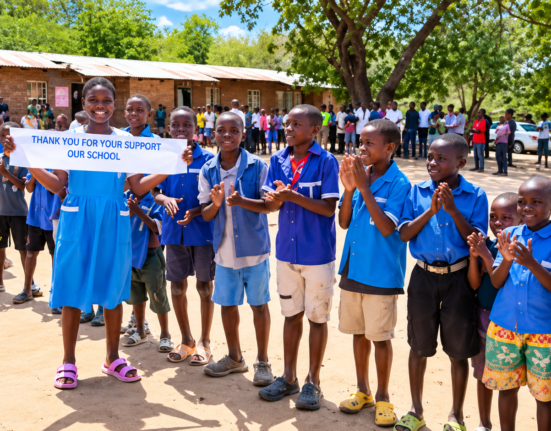
Preventing underage gambling has been supported through educational programmes involving students, teachers, parents and communities.
Recent regulatory initiatives have also focused on increasing awareness of self-exclusion, which allows individuals concerned about their gambling behaviour to restrict their access to gaming activities.
The regulator has reported that its school outreach programmes have reached more than 33,500 students and 1,600 teachers, demonstrating the scale of its efforts to build responsible gaming awareness among younger audiences and those responsible for their welfare.
Digital Gaming Creates New Regulatory Challenges
The increasing digitalisation of Uganda’s gaming industry has made player protection an increasingly important regulatory priority.
According to recent NLGRB reporting, approximately 93% of gaming activity in Uganda takes place online, highlighting the importance of monitoring digital gambling environments and ensuring that consumer-protection measures evolve alongside the market.
The regulator has responded by strengthening technological oversight through the National Central Electronic Monitoring System (NCEMS).
The system supports regulatory monitoring and has also facilitated self-exclusion for more than 16,700 players, providing an additional mechanism for individuals seeking to manage or stop their gambling activity.
At the same time, the NLGRB continues to take action against illegal and unlicensed gambling operations as part of its wider mandate to maintain a regulated market.
Balancing Industry Growth With Player Protection
Uganda’s gaming industry also makes a significant economic contribution. Recent NLGRB figures indicate that the sector generates approximately UGX 355.4 billion in government revenue and supports more than 24,000 jobs.
However, the regulator’s responsible gaming initiatives underline that economic contribution must be accompanied by effective consumer safeguards.
The NLGRB’s role therefore extends beyond licensing operators and enforcing gaming regulations. Public education, responsible gambling awareness and protection of vulnerable individuals are increasingly important elements of its regulatory mandate.
The engagement with NALI participants in Kyankwanzi reinforces this approach by encouraging wider participation in responsible gaming advocacy.
Through continued education, technological monitoring, self-exclusion initiatives and enforcement against illegal gambling, the NLGRB is seeking to create an environment in which Uganda’s gaming industry can operate while maintaining appropriate protections for players and the wider public.