

Lawmakers reassess iGaming policy as regulators defend strengthened oversight framework
Ban Proposal Returns to Legislative Agenda
The debate over the future of online gambling in the Philippines has intensified following the revival of proposed legislation seeking a nationwide prohibition of iGaming activities. Lawmakers backing the measure argue that digital betting platforms present escalating risks tied to financial crime exposure, consumer harm, and regulatory complexity.
The reintroduced bill aims to outlaw a wide range of online gambling products, including internet casinos, sports betting platforms, and remote gaming services. Its return to the legislative spotlight signals growing unease within political circles over the rapid expansion of digital wagering.
Money-Laundering Concerns Drive Policy Pressure
A central justification for the renewed ban effort is the perceived vulnerability of online gambling channels to money-laundering and illicit financial flows. Critics warn that the speed, anonymity, and cross-border nature of certain digital payment systems may complicate transaction monitoring and enforcement.
The issue carries added weight given the Philippines’ recent exit from the Financial Action Task Force (FATF) grey list, a status previously associated with deficiencies in anti-money-laundering (AML) controls. Policymakers fear that inadequate oversight of gambling-related transactions could threaten the country’s improved international standing.
Regulator Advocates Stricter Controls Over Prohibition
The Philippine Amusement and Gaming Corporation (PAGCOR) has pushed back against calls for an outright ban, urging legislators to prioritise enhanced regulation rather than elimination. PAGCOR leadership emphasised that the agency has already implemented tighter compliance measures designed to mitigate financial and social risks.
These include reinforced Know Your Customer (KYC) requirements, improved player verification protocols, expanded responsible gambling tools, and stronger reporting obligations for licensed operators. Regulators argue that a structured legal framework offers greater transparency than forcing gambling activity into unregulated markets.
Rising Participation Raises Social Safeguard Questions
Lawmakers supporting the ban also point to concerns over increasing online gambling participation, particularly among younger adults. While precise national prevalence data remains limited, industry indicators suggest strong growth in account registrations and betting volumes.
This expansion has prompted questions about the adequacy of current consumer protection mechanisms, including self-exclusion systems, affordability checks, and addiction prevention programmes. Some senators contend that the pace of market growth may be outstripping the development of effective harm-minimisation strategies.
Enforcement Efforts Target Illegal Platforms
PAGCOR has highlighted intensified enforcement actions against illegal online gambling operators, which authorities view as a significant source of consumer and AML risk. Thousands of unauthorised websites have reportedly been blocked or dismantled through joint regulatory and law enforcement operations.
Officials maintain that these crackdowns demonstrate the effectiveness of a regulatory-first approach. By contrast, industry observers warn that a total ban could unintentionally expand the black market by removing licensed alternatives.
Balancing Economic Benefits and Regulatory Risks
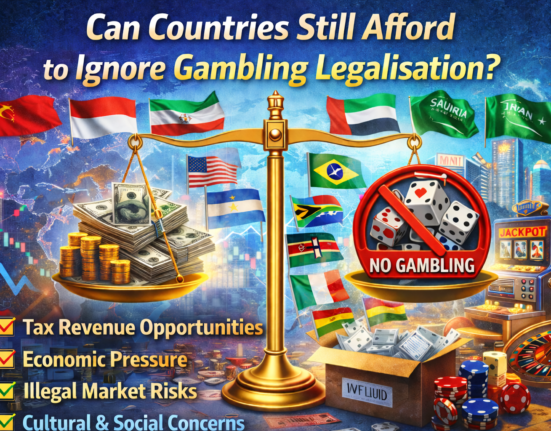
The Philippines’ iGaming sector contributes materially to government revenues, employment, and digital infrastructure investment. Opponents of prohibition argue that dismantling the regulated ecosystem could produce unintended fiscal consequences while failing to eradicate gambling demand.
The policy challenge now facing lawmakers is to reconcile competing priorities: protecting consumers and financial integrity while sustaining economic value. Whether the Philippines ultimately tightens regulation or pursues prohibition, the decision will significantly shape the trajectory of the country’s gambling industry.