

Regulatory oversight and enforcement of illegal gambling drive record transfers, while online operators continue supporting development and humanitarian programmes
Land-based gambling operators in Colombia significantly increased their financial contributions to the country’s subsidized healthcare system in 2025, with figures from regulator Coljuegos showing a 9.3% year-on-year growth. Bingo halls and casinos collectively transferred an estimated COP 378.268 billion ($105 million) to the health system, solidifying land-based gaming as the largest contributor within Colombia’s gambling sector. This amount accounted for approximately 39% of total gambling-related revenues collected during the year.
Coljuegos president Marco Emilio Hincapié attributed the rise primarily to stronger regulatory oversight and intensified efforts to combat illegal gambling activities. In comparison, land-based gaming had generated COP 345.875 billion ($96.21 million) in 2024, marking a nearly COP 33 billion increase in just one year. Hincapié emphasized that the growth underscores the sector’s sustained performance under the current regulatory framework.
He also highlighted initiatives like Virtual Sports Betting (ACDV), which aim to modernize land-based venues, attract new players, and enhance the appeal of traditional gaming establishments. According to Coljuegos data, Colombia currently operates around 109,000 legally authorized electronic gaming machines across 3,700 licensed establishments nationwide.
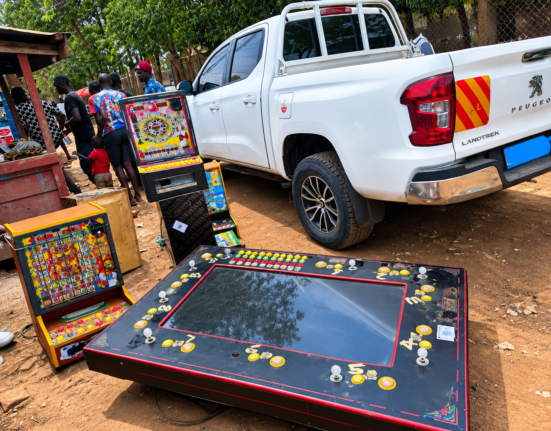
Enforcement against illegal operations was a major driver of revenue growth. In 2025, Coljuegos seized 3,047 illegal gambling devices during 95 enforcement operations across 15 departments, describing this as an unprecedented level of action. Hincapié noted that removing illegal devices channeled player activity toward licensed operators, directly increasing funds allocated to healthcare.
Looking ahead, programs such as Machines for Peace are expected to support continued growth in land-based contributions, particularly in aiding vulnerable communities.
Online operators also played a significant role in public funding. Coljuegos confirmed that Colombia’s licensed online gaming platforms transferred COP 13 trillion in VAT revenues in 2025, earmarked for peace, development, and humanitarian programs, including support for conflict-affected regions such as Catatumbo.
The combined efforts of land-based and online operators highlight the critical role of regulated gambling in funding essential social services, promoting compliance, and supporting sustainable development in Colombia.