

Shared player demand across emerging African markets
The iGaming industries in Nigeria, Democratic Republic of the Congo, and Cameroon are driven by a similar core demand. Across all three markets, interest in sports betting continues to rise, largely fueled by the popularity of football, increasing smartphone penetration, and a young, digitally active population.
This consistent demand curve shows that user behavior and motivation are relatively aligned, regardless of geography. Players are primarily looking for accessibility, fast transactions, competitive odds, and a seamless mobile experience.
Nigeria: Highly competitive and fragmented landscape
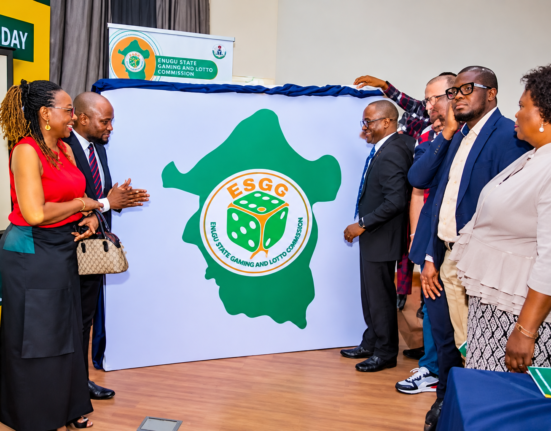
In Nigeria, the iGaming ecosystem is characterized by intense competition and fragmentation. Multiple local and international operators compete aggressively for market share, investing heavily in marketing, promotions, and user acquisition strategies.
While this creates a dynamic and fast-growing environment, it also increases the cost of entry and scalability. Operators must differentiate through branding, product experience, and retention strategies to remain competitive in such a saturated space.
DRC: High potential market with infrastructure limitations
The iGaming market in Democratic Republic of the Congo presents strong growth potential but remains in an early stage of development. Challenges such as limited digital infrastructure, payment system inefficiencies, and lower internet penetration continue to impact market expansion.
Despite these barriers, demand is steadily increasing, offering opportunities for early entrants to establish a foothold. As infrastructure improves, the market is expected to become more competitive and attractive for larger operators.
Cameroon: Centralized structure with controlled competition
In Cameroon, the iGaming market operates under a more centralized structure. A smaller number of dominant operators control a significant share of the market, creating a different competitive dynamic compared to Nigeria.
This structure often results in higher barriers to entry, requiring new players to navigate regulatory frameworks and form strategic partnerships. However, it also means less fragmentation and potentially more stable market conditions.
Same demand, different power structures
Although all three markets share similar user demand, the distribution of power within each ecosystem varies significantly. Nigeria thrives on open competition, the DRC is emerging with untapped potential, and Cameroon operates under more controlled conditions.
For operators, this means that a one-size-fits-all strategy is ineffective. Each market requires a tailored approach that aligns with its unique structure and operational challenges.
Strategic insights for expansion and growth
Understanding both the similarities and differences across these markets is essential for successful expansion. Companies must combine strong product offerings with localized execution strategies, adapting to each country’s regulatory environment, infrastructure, and competitive landscape.
Ultimately, while the demand for iGaming is consistent across Nigeria, Democratic Republic of the Congo, and Cameroon, capturing that demand depends on how well operators navigate each market’s unique power structure and growth dynamics.