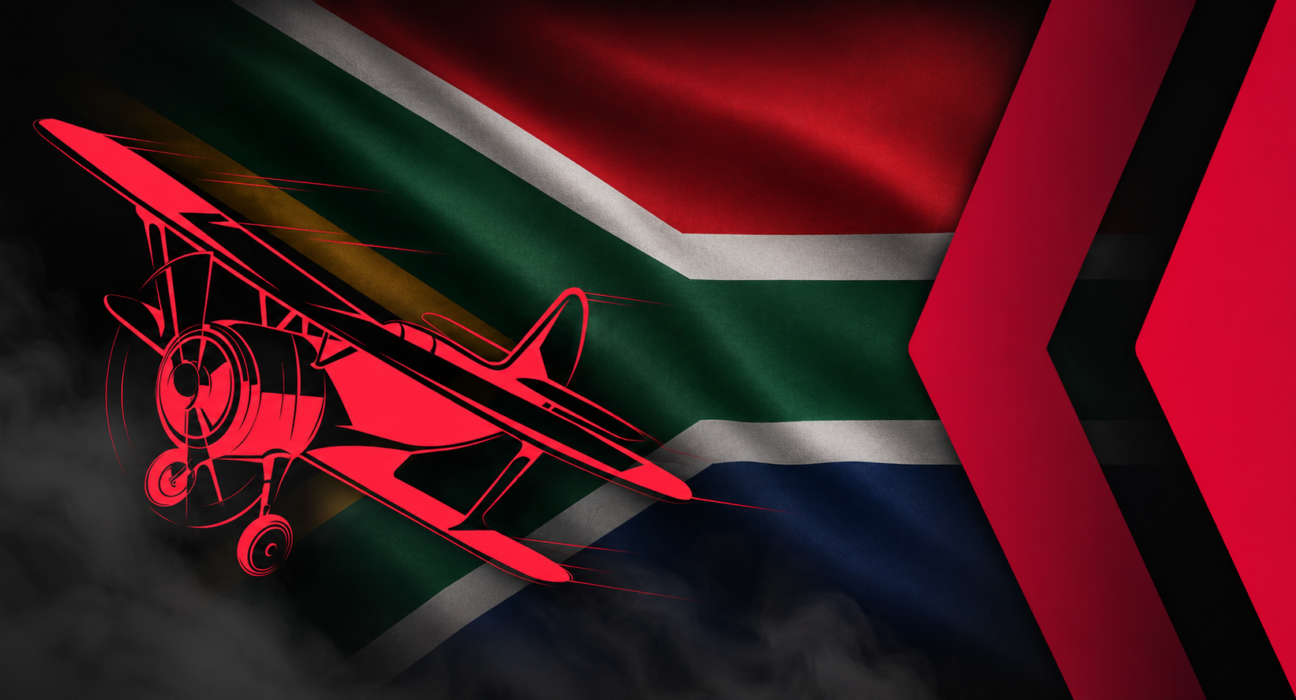


Aviator LLC has officially initiated legal proceedings against Betway in South Africa, escalating a dispute centered on trademark ownership and intellectual property rights connected to the rapidly growing Aviator crash game brand. The case is drawing significant attention across the African iGaming industry due to the popularity of crash games and the commercial value attached to branded gaming products.
The legal action reflects the increasing importance of intellectual property protection within the online betting sector as operators compete aggressively in regulated markets.
Trademark Dispute Moves to South African Courts
According to reports, Aviator LLC alleges that Betway used branding and marketing elements associated with the “Aviator” identity without proper authorization. The company argues that such usage could potentially mislead players and create confusion regarding ownership and official partnerships.
The proceedings have now entered the South African legal system, where Aviator LLC is seeking remedies related to trademark protection and brand enforcement.
The dispute highlights how gaming companies are becoming more protective of proprietary brands as competition within the online gambling industry intensifies globally.
Aviator Brand Gains Massive Popularity Across Africa
The Aviator crash game has become one of the most recognized products in the African online gaming market over the past few years. Its simple gameplay mechanics, fast-paced betting format, and strong social appeal have helped the game attract millions of users across multiple jurisdictions.
As crash games continue expanding in popularity, the commercial value of recognizable brands such as Aviator has increased substantially. This growth has also led to greater scrutiny surrounding licensing agreements, distribution rights, and brand usage by operators.
Industry experts believe the outcome of the case could influence how operators approach branding partnerships in the future.
Intellectual Property Becomes a Growing Industry Focus
The legal proceedings underscore the broader importance of intellectual property rights in the modern iGaming ecosystem. As online gaming companies expand internationally, trademarks and exclusive licensing arrangements have become essential business assets.
Operators and game providers increasingly rely on:
- Trademark protections
- Licensing contracts
- Distribution agreements
- Brand exclusivity rights
These legal tools help companies maintain market differentiation while protecting the commercial value of successful gaming products.
South Africa Remains a Key Regulated Market
The case is particularly significant because South Africa remains one of Africa’s largest and most influential regulated betting markets. Major international operators continue investing heavily in the country due to its large betting audience and rapidly evolving digital gaming sector.
Legal disputes involving globally recognized operators such as Betway are therefore closely monitored by both regulators and industry stakeholders.
Observers believe the outcome could shape future standards regarding advertising practices, intellectual property enforcement, and brand partnerships within the region.
Betway Yet to Issue Detailed Public Response
At the time of reporting, Betway had not publicly released a comprehensive statement addressing the allegations made by Aviator LLC. More information is expected to emerge as the legal process develops in the coming months.
The case is already generating debate within the gaming industry about the balance between competitive marketing and intellectual property compliance.
Legal Battle Reflects Industry Evolution
The Aviator LLC and Betway dispute demonstrates how the iGaming sector is evolving beyond simple operator competition into a landscape where branding, licensing, and intellectual property play increasingly critical roles.
As crash games continue to dominate player engagement across Africa and other emerging markets, legal ownership of successful gaming brands may become one of the industry’s most contested areas in the years ahead.