

North West authorities deepen cooperation on investigations, cybercrime and prosecutions as illicit gambling operations continue to threaten consumers and regulated markets
The North West Gambling Board (NWGB) has strengthened its cooperation with the South African Police Service (SAPS) and the National Prosecuting Authority (NPA) as authorities intensify efforts to combat illegal gambling and gambling-related criminal activity in the province.
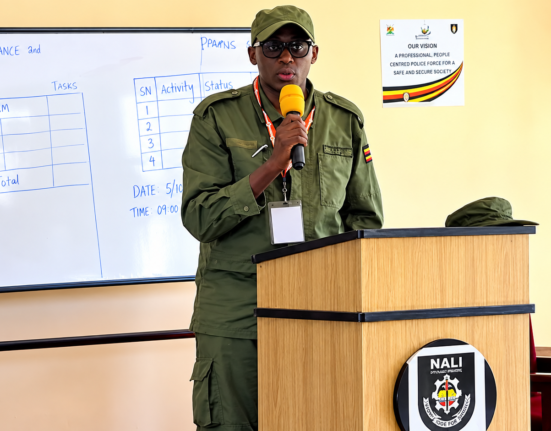
On August 27, 2026, representatives from the three institutions participated in a training and knowledge-sharing session focused on strengthening cooperation in criminal investigations and prosecutions. The engagement brought together key stakeholders from the criminal justice system to examine the legal and investigative challenges associated with organised crime and technology-enabled criminal activity.
Focus on Stronger Criminal Investigations
The session focused on several issues considered important to the successful investigation and prosecution of gambling-related crimes.
Among the areas discussed were the 48-hour rule, the non-enrolment of criminal matters, the search and seizure of evidence in cybercrime investigations, and the application of statutory racketeering provisions against organised criminal networks.
These issues have become increasingly relevant as illegal gambling operators adopt more sophisticated methods to conceal their activities and operate outside established regulatory frameworks.
The growing use of digital platforms has also made illegal gambling more difficult to identify and investigate, requiring regulators, police and prosecutors to work more closely together.
Illegal Gambling Highlighted as a Criminal Threat
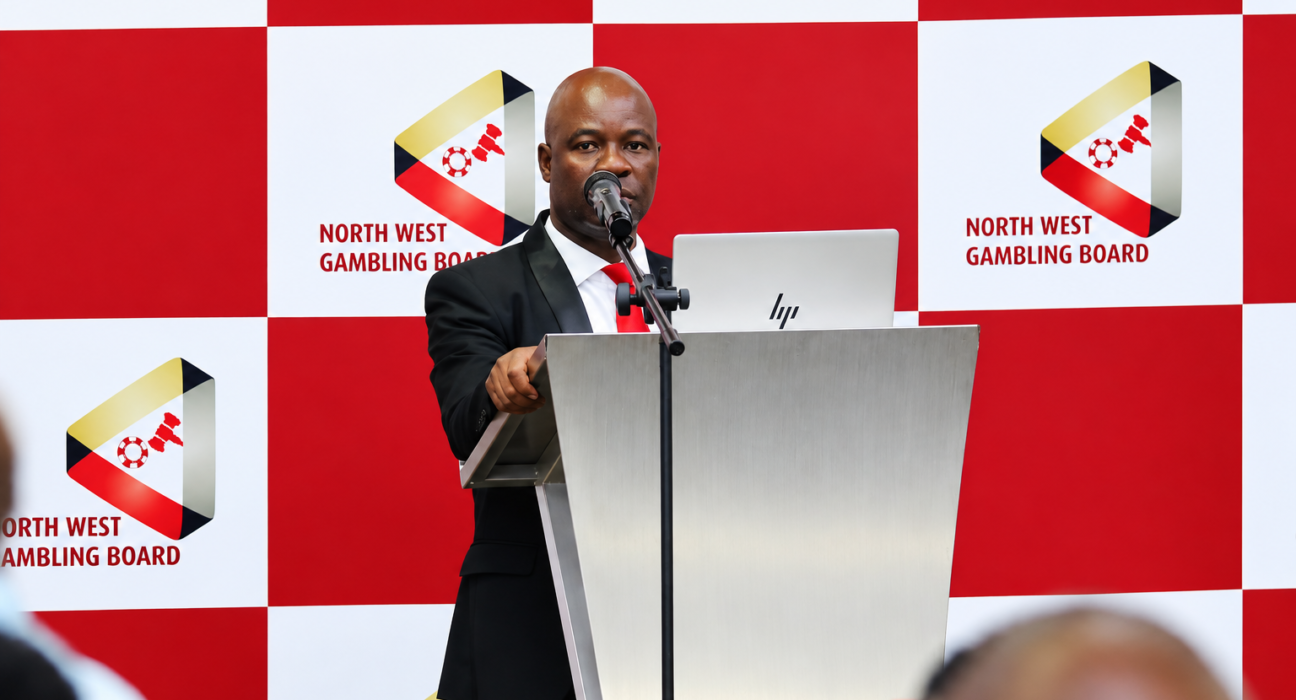
During the session, NWGB representative Simon Mogapi delivered a presentation examining the impact of illegal gambling across the North West province.
Mogapi described unlicensed gambling as a significant criminal threat, warning that illegal operations can create opportunities for money laundering and provide a foundation for organised criminal networks.
Beyond the criminal risks, illegal gambling can also result in financial losses for communities and legitimate businesses while reducing revenue that would otherwise be generated through the regulated gambling sector.
The concerns demonstrate why enforcement agencies are increasingly treating unlawful gambling as an issue that extends beyond regulatory non-compliance.
Consumer Protection at Risk
Consumer protection was another major concern raised during the engagement.
Players who use unlicensed gambling services do not benefit from the same regulatory safeguards available through licensed operators. This can leave consumers more exposed to unfair practices and other risks.
Licensed gambling operators are required to comply with regulatory standards designed to protect consumers and promote responsible gambling. Illegal operators, by contrast, operate outside these controls.
The NWGB therefore sees stronger enforcement as an important part of protecting the public while maintaining confidence in the regulated gambling market.
Authorities Seek Tighter Institutional Alignment
While acknowledging previous joint enforcement operations involving law enforcement and prosecutorial authorities, Mogapi called for even closer institutional cooperation.
The objective is to enable authorities to identify illicit gambling operations more quickly, conduct stronger investigations, develop robust cases and improve the prospects of successful prosecutions.
Such cooperation could also help law enforcement agencies better understand the operational methods used by illegal gambling networks, particularly those using digital technology to avoid detection.
The NWGB subsequently reaffirmed its commitment to maintaining a coordinated relationship with SAPS and the NPA.
Digital Platforms Create New Challenges
The latest training comes against the backdrop of continued concerns about the growth of illicit gambling activities across South Africa.
Illegal operators are increasingly using digital platforms alongside concealed physical locations to bypass regulatory controls. This creates additional challenges for regulators, who must monitor both traditional gambling venues and online environments.
Technology can allow unlawful operators to reach consumers without maintaining a visible physical presence, making traditional enforcement methods less effective on their own.
As a result, regulators and criminal justice agencies are increasingly recognising the need for investigative capabilities that can address technology-driven gambling offences.
Enforcement Efforts Continue
Authorities across the North West have previously conducted enforcement operations targeting illegal gambling activities.
These efforts have included the confiscation of illegal gambling machines, raids on unlicensed gambling establishments and community awareness campaigns designed to warn residents about the risks associated with unlawful betting and gambling.
The NWGB has also continued to promote responsible gambling and encourage compliance with the province’s regulatory framework. Recent enforcement actions demonstrate the regulator’s determination to disrupt unlawful operations and protect communities.
However, authorities recognise that illegal operators can quickly adapt after enforcement actions. This has increased the importance of long-term cooperation between regulators, police and prosecutors.
Moving Beyond Isolated Raids
The latest collaboration signals a shift towards a more coordinated enforcement model.
Rather than relying exclusively on individual raids and seizures, the NWGB, SAPS and NPA are seeking to strengthen the entire process, from identifying illegal operations and collecting evidence to building cases and pursuing prosecutions.
This approach could make it more difficult for organised gambling networks to continue operating by exploiting gaps between regulatory enforcement, criminal investigations and prosecution.
Stronger coordination could also improve information sharing and help authorities respond more effectively when illegal gambling activities involve multiple locations, digital platforms or organised criminal structures.
Protecting the Integrity of the Gambling Industry
The NWGB’s efforts are ultimately aimed at protecting both consumers and the integrity of the regulated gambling industry.
Illegal gambling creates an uneven environment for licensed operators that invest in compliance and operate under established regulatory requirements. It can also undermine public confidence and deprive provincial authorities of legitimate revenue.
By strengthening its partnership with SAPS and the NPA, the NWGB is positioning enforcement as a shared responsibility involving regulatory, investigative and prosecutorial institutions.
The latest training session therefore represents more than a knowledge-sharing exercise. It reflects a broader commitment to developing a coordinated response to the evolving threat posed by illegal gambling.
As unlawful operators continue to adapt their methods, stronger cooperation between the NWGB, police and prosecutors will remain essential to detecting criminal activity, protecting consumers and ensuring that gambling in the North West operates within the law.