

Despite record New Year visitor arrivals in Macau, merchants in the NAPE district report falling revenues and warn that recovery will be difficult without targeted support and clearer area positioning.
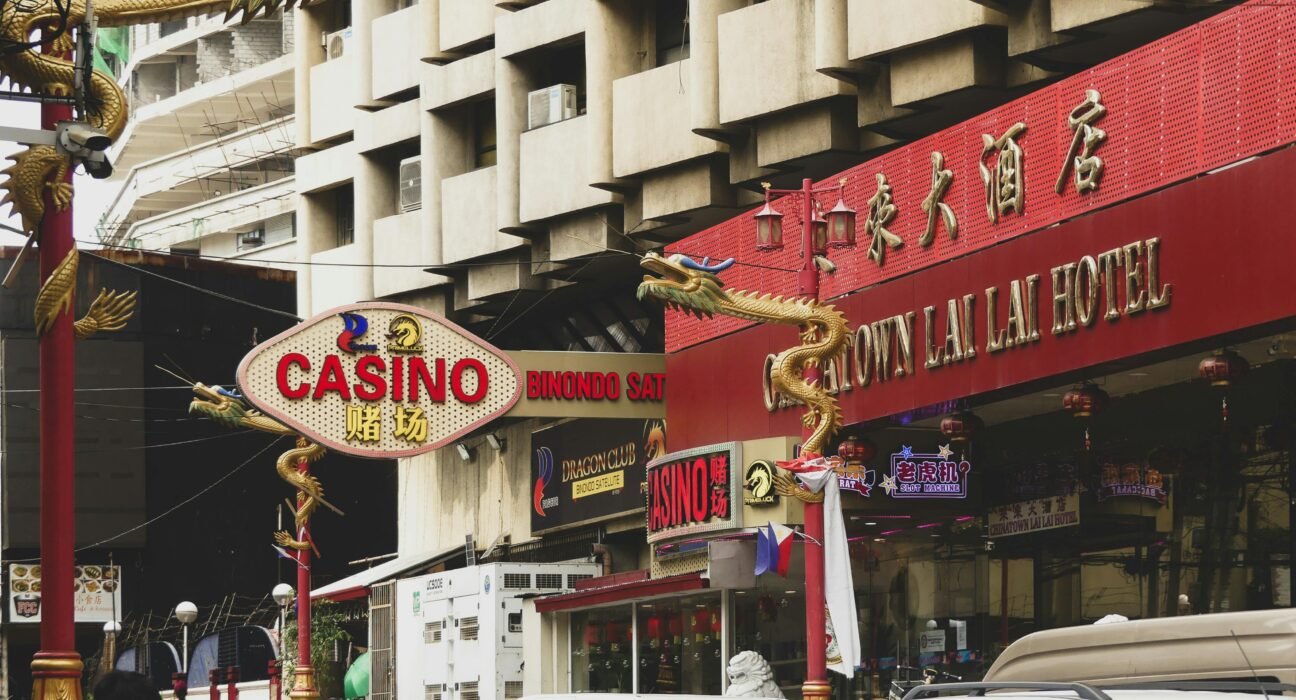
Businesses operating in Macau’s NAPE district are calling for stronger and more targeted government support after experiencing a significant drop in customer traffic following the closure of satellite casinos, according to reports cited by Macao Daily. While Macau welcomed its highest-ever number of visitors on New Year’s Day, the economic benefits of the influx were unevenly distributed, with NAPE failing to share in the wider tourism rebound.
Local restaurant operators say the shutdown of satellite casino operations has had a direct and immediate impact on evening foot traffic, which was previously sustained by casino patrons and guests from nearby hotels. One café owner revealed that overall revenue has fallen by approximately 15%, with the sharpest decline occurring during nighttime trading hours. Before the closures, casino visitors and hotel guests accounted for nearly 30% of total sales, particularly in the evenings, helping to balance a more stable lunchtime trade driven by students from nearby schools.
In response to the changing customer mix, some operators have begun adjusting their business models. High-priced menu items, such as lamb hot pots and premium seafood sets, have been reduced or removed altogether. Instead, restaurants are prioritising more affordable offerings, including rice dishes, noodles and set meals, aimed at price-sensitive customers. Ingredient purchasing has also been scaled back to minimise waste and improve cost control as demand becomes less predictable.
Despite strong headline visitor numbers for Macau as a whole, merchants argue that NAPE’s structural weaknesses have left it sidelined. Unlike major tourist districts, the area lacks signature attractions and relies heavily on spillover traffic from hotels and casinos rather than destination-led visits. Government-organised festive decorations and photo installations were described by business owners as having only a marginal effect, with limited success in encouraging visitors to linger or spend.
Another restaurant operator noted a shift in evening clientele since the casino closures. Younger hotel guests attending concerts or fan events now make up a larger share of diners. While these customers may spend freely on entertainment, they tend to favour low-cost meals such as fried noodles and iced lemon tea, rather than the premium dishes once popular with high-spending gamblers.
Looking ahead, many NAPE merchants described the outlook as challenging. Several are revising operating hours, simplifying menus and introducing promotions or new products in an effort to stabilise revenues. However, there is growing concern that without clearer district positioning, improved infrastructure and targeted government measures, revitalising NAPE’s local economy will remain an uphill struggle.