

Government Moves to Modernize Copyright Enforcement
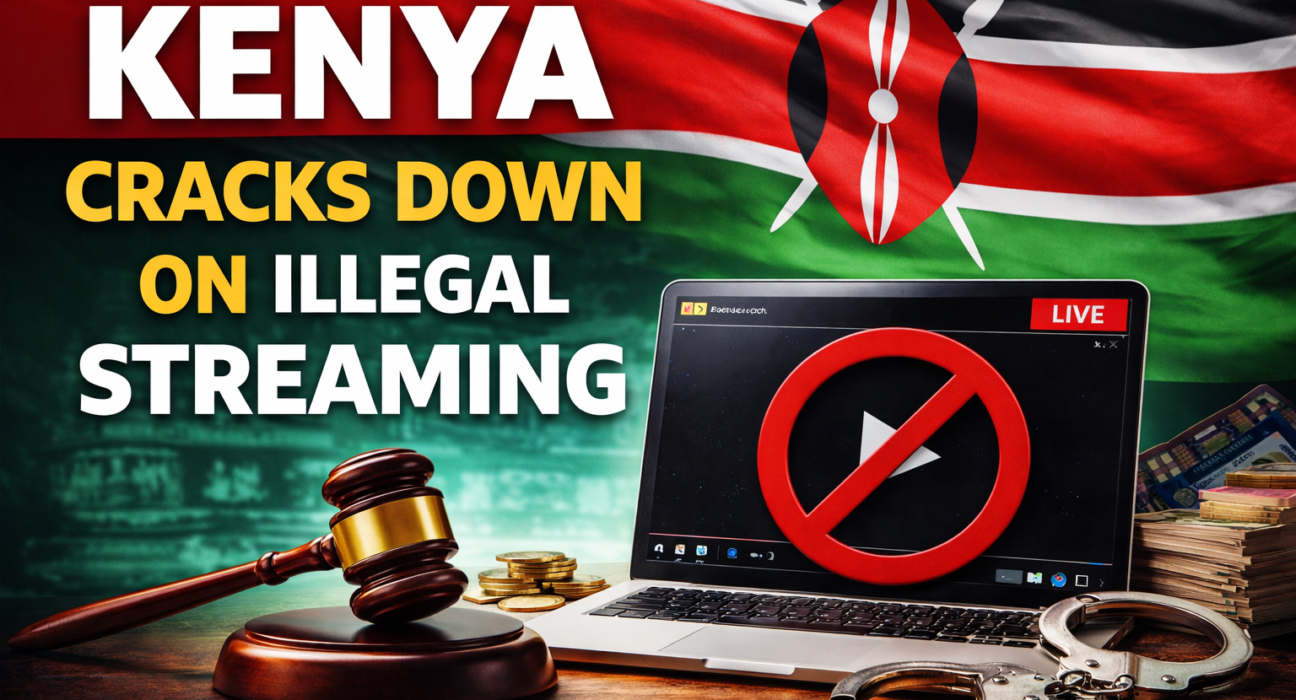
Kenya is advancing a comprehensive overhaul of its copyright framework with a proposed bill designed to combat the rapid rise of illegal streaming. The legislation aims to address the unauthorized distribution of movies, television content, and especially live sports, which has become a major challenge in the country’s fast-growing digital ecosystem.
With increasing internet penetration and mobile usage, piracy has evolved into a large-scale issue, allowing illegal platforms to distribute premium content to mass audiences without authorization. The government now seeks to close regulatory gaps that have made enforcement difficult under existing laws.
Faster Takedowns and Real-Time Blocking Powers
A key feature of the proposed reform is the introduction of accelerated enforcement mechanisms. The bill would allow rights holders to obtain blocking orders more efficiently, enabling authorities to restrict access to infringing platforms in a significantly shorter timeframe.
In cases involving live sports broadcasts, the legislation proposes real-time or pre-emptive blocking measures, ensuring that illegal streams can be disrupted before or during live events. This is a critical development, as sports piracy typically generates the highest traffic during live matches, causing immediate financial losses to broadcasters.
Increased Responsibility for Digital Platforms
The bill also places stronger obligations on internet service providers (ISPs), search engines, and online platforms. These intermediaries will be required to respond promptly to notices of copyright infringement and take action against illegal content.
Failure to comply with these requirements could lead to penalties, including fines or regulatory sanctions. Platforms may also be required to implement monitoring systems, remove infringing material within strict timelines, and take action against repeat offenders.
This shift reflects a broader regulatory trend where digital platforms are expected to play a more active role in content governance.
Protecting Broadcasters and Content Owners
The proposed law is largely driven by the economic impact of piracy on content creators and broadcasters. Companies that invest heavily in acquiring exclusive rights, particularly for premium sports events, have seen revenues affected by widespread illegal streaming.
By strengthening enforcement, the government aims to ensure that rights holders can protect their investments and maintain sustainable business models. This is particularly important for the sports broadcasting industry, where live content is highly valuable and time-sensitive.
Aligning Kenya with Global Best Practices
The reform is part of Kenya’s wider effort to align its intellectual property regulations with international standards. As digital consumption continues to grow, governments worldwide are updating their legal frameworks to address new forms of piracy and cross-border content distribution.
If implemented, the bill is expected to significantly reduce illegal streaming activities while fostering a more secure and transparent digital content environment. It also sends a strong signal that Kenya is committed to protecting intellectual property rights and supporting the long-term growth of its media and entertainment sectors.