

Regulatory Push to Enhance Financial Crime Prevention
Angola is taking further steps to strengthen its financial oversight within the gambling sector as the Instituto de Supervisão de Jogos (ISJ) rolls out a targeted training program focused on anti-money laundering (AML) compliance. The initiative reflects the regulator’s commitment to tightening controls and ensuring that the country’s gaming industry operates within a transparent and secure framework.
As gambling continues to expand across digital and land-based channels, regulators are increasingly prioritizing measures that prevent misuse of financial systems for illicit activities.
Addressing High-Risk Areas in the Gaming Sector
The gambling industry is widely recognized as a high-risk sector for money laundering due to the large volume of transactions and the speed at which funds can move through gaming platforms. This makes it a potential target for individuals seeking to disguise illegal proceeds.
The ISJ training session was designed to equip participants with practical tools to identify suspicious behavior, monitor financial transactions, and implement effective reporting procedures. By strengthening these capabilities, authorities aim to reduce vulnerabilities and improve the overall integrity of the sector.
Industry-Wide Participation and Collaboration
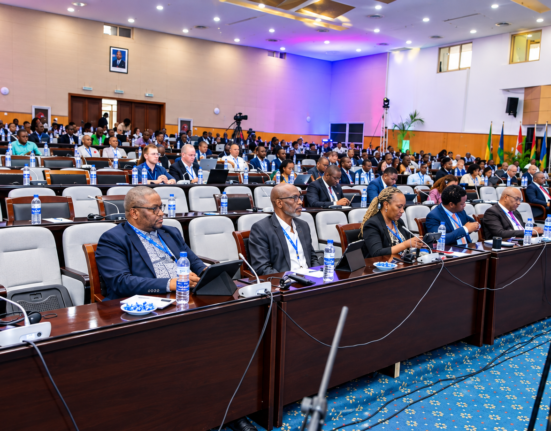
The training brought together a diverse group of stakeholders, including licensed gaming operators, compliance officers, and regulatory representatives. This collaborative approach is intended to ensure that all participants in the industry have a clear understanding of their obligations under AML regulations.
By fostering communication between regulators and operators, the ISJ aims to build a unified approach to combating financial crime. Cooperation and information sharing are seen as essential components in identifying risks early and responding effectively.
Aligning with Global AML Standards
Angola’s efforts are also part of a broader strategy to align its regulatory framework with international best practices. Global standards, such as those promoted by the Financial Action Task Force (FATF), emphasize the importance of strong AML controls, risk-based monitoring, and transparent reporting systems.
Through initiatives like this training program, Angola is working to enhance its reputation as a compliant and well-regulated market, which is increasingly important for attracting international investment and partnerships.
Strengthening Compliance and Market Integrity
The ISJ has emphasized that continuous education and regulatory engagement are key to maintaining a secure gaming environment. Operators are expected to implement robust internal controls, including customer due diligence, transaction monitoring, and timely reporting of suspicious activities.
By reinforcing compliance standards across the industry, Angola aims to build a more resilient gambling sector that protects both the financial system and legitimate business operations.
Long-Term Impact on Angola’s Gaming Industry
In the long term, initiatives like this are expected to significantly reduce the risks associated with money laundering in the gaming sector. Strengthened oversight, improved operator awareness, and enhanced regulatory coordination will contribute to a more transparent and trustworthy market.
This proactive approach positions Angola as a country committed to modern regulatory practices, ensuring that its growing gambling industry develops in a secure, responsible, and sustainable manner.