

Governance upgrades, digital transformation and international capacity-building form the backbone of a sweeping plan to reposition the NLA for long-term growth and public trust.
Ghana’s National Lottery Authority (NLA) has outlined an ambitious reform programme scheduled for implementation in 2026, signalling a decisive shift toward modernisation, stronger governance and improved operational efficiency across the country’s lottery sector.
The reform agenda, announced by NLA Director-General Mohammed Abdul-Salam, is designed to overhaul internal structures, strengthen institutional capacity and restore public confidence in the Authority’s operations. According to the NLA, the initiative will focus on three core pillars: governance reform, workforce development and digital transformation.
At the governance level, the Authority plans to enhance internal control systems, improve compliance mechanisms and introduce clearer operational frameworks to align with international best practices. These measures are expected to improve transparency, accountability and overall regulatory effectiveness, ensuring the NLA is better positioned to supervise a rapidly evolving gaming environment.
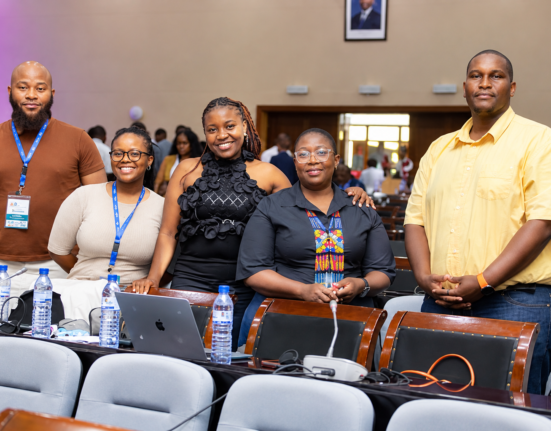
Capacity building is another central component of the reform strategy. The NLA has already begun investing in specialised training programmes for its staff, both locally and internationally. Recent initiatives have included technical sessions in areas such as cybersecurity, blockchain applications in lottery operations and modern regulatory methodologies, with training hosted in countries including Côte d’Ivoire and Morocco. These programmes aim to equip employees with the skills required to manage emerging technologies and address increasingly complex operational and security challenges.
In preparation for 2026, the Authority is also establishing dedicated committees to identify further training opportunities and partnerships with international institutions. The objective is to develop a highly skilled workforce capable of supporting innovation, product diversification and improved service delivery.
Digital transformation will play a critical role in the reform process. The NLA intends to leverage new technologies to enhance system security, streamline operations and introduce modern lottery products that appeal to a younger, tech-savvy audience while maintaining strong safeguards for responsible play.
Collectively, these reforms reflect Ghana’s broader ambition to position its lottery and gaming institutions as models of efficiency and good governance in Africa. By strengthening regulatory frameworks, investing in human capital and embracing digital solutions, the NLA aims to build a resilient, transparent and future-ready organisation that can support national development and maintain public trust well beyond 2026.