

Regulatory Intervention Redefines the Market
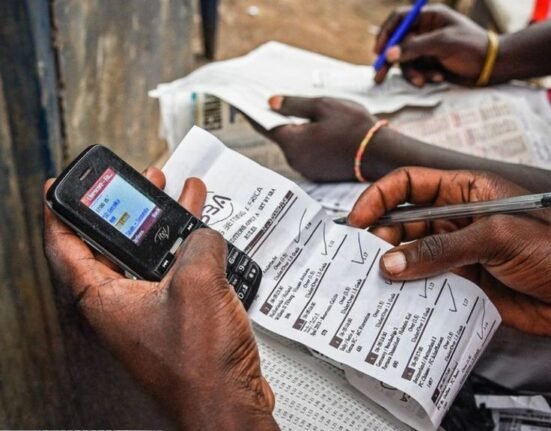
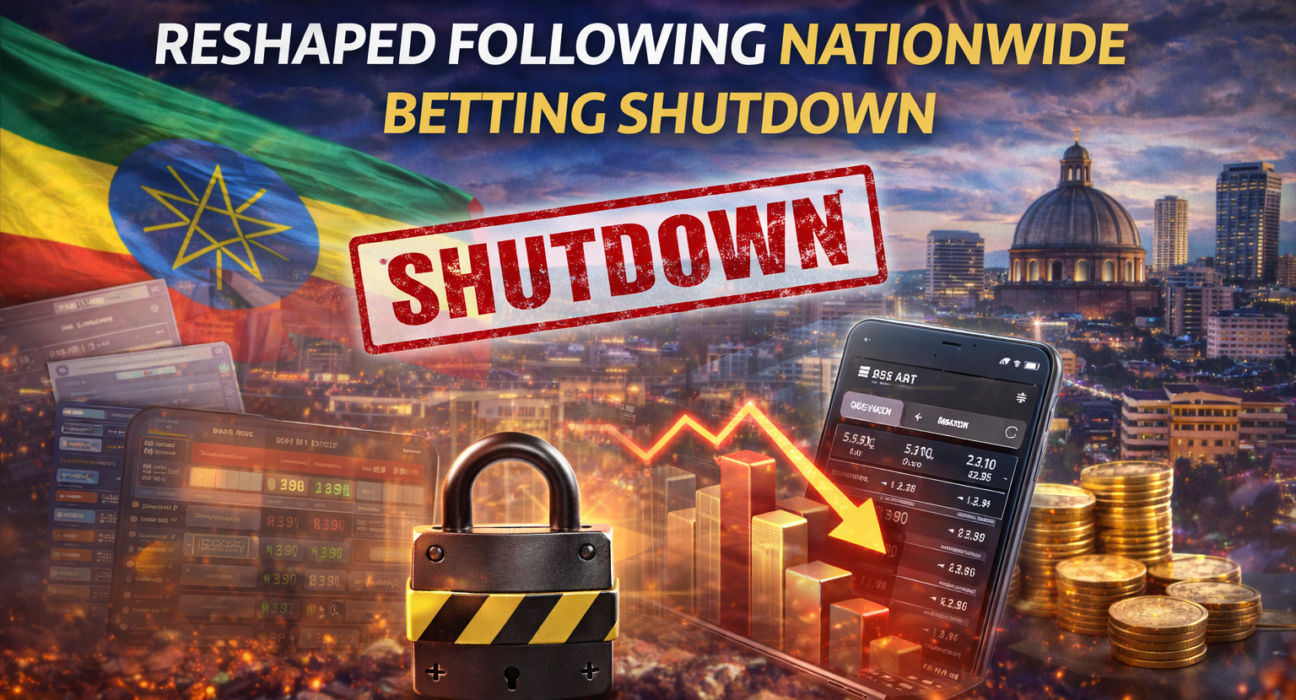
Ethiopia’s online betting and gaming ecosystem has undergone a significant transformation following decisive action by the Ethiopia Lottery Service in mid-December. The regulator suspended licensed sports betting operations and moved to halt related financial transactions, triggering an abrupt contraction in the country’s iGaming market.
The intervention effectively paused the formal betting industry, reshaping both operator participation and consumer demand. What had been a rapidly expanding sector driven by digital adoption and youth engagement suddenly entered a period of uncertainty and consolidation.
Demand Drops as Operators Exit
The immediate aftermath of the shutdown saw a steep decline in overall brand demand. Market monitoring data indicated that total consumer interest in betting platforms fell dramatically within weeks of the enforcement measures taking effect. The number of active operators also declined, as several previously licensed brands disappeared from visibility.
Prior to the regulatory action, Ethiopia’s betting market was fragmented across numerous domestic and international operators competing for market share. After the shutdown, however, activity became highly concentrated among a smaller group of brands that continued to capture online attention.
This consolidation reflects a broader pattern often seen in tightly regulated or restricted environments: fewer active brands command a larger share of the remaining demand.
Financial Controls Strengthen Enforcement
A key component of the regulatory move was the restriction of betting-related transactions through banking and payment systems. By targeting financial infrastructure, authorities ensured that enforcement extended beyond licence revocation to practical operational barriers.
This coordinated approach demonstrates the regulator’s intent to assert tighter control over the gambling ecosystem, particularly in digital environments where mobile payments and fintech integrations facilitate rapid wagering activity. By limiting payment flows, the authorities effectively constrained operational continuity for affected operators.
Emergence of a New Competitive Order
In the post-shutdown environment, a new hierarchy of brands emerged. Operators such as 1xBet and Melbet saw heightened visibility and engagement levels compared to pre-shutdown metrics. While the overall market volume declined, certain brands managed to increase their proportional share of demand.
The concentration of market attention within a smaller group of operators suggests a shift toward dominance by brands with stronger digital reach, offshore presence, or broader regional recognition.
Uncertainty Over Reopening Timeline
As of now, Ethiopian authorities have not provided a clear roadmap for resuming licensed betting activities. The absence of a formal reopening timeline continues to create ambiguity for operators, investors, and players.
Stakeholders are closely monitoring whether the regulator will introduce revised licensing conditions, stricter compliance requirements, or a phased return to operations. Any future framework is likely to emphasise stronger oversight, consumer protection measures, and enhanced financial monitoring.
Long-Term Implications for Ethiopia’s Gaming Sector
The shutdown represents more than a temporary disruption; it signals a structural recalibration of Ethiopia’s iGaming policy direction. Rapid market growth, limited enforcement capacity, and increasing social concerns around betting participation likely contributed to the intervention.
Going forward, the Ethiopian market’s evolution will depend on regulatory clarity, institutional capacity, and the balance authorities strike between revenue generation and social responsibility. Whether the sector rebounds quickly or remains constrained will hinge on how policymakers reshape the rules governing digital betting in the country.