

IBJR Director André Gelfi cautions that premature tax hikes could undermine regulation and strengthen illegal operators ahead of 2026
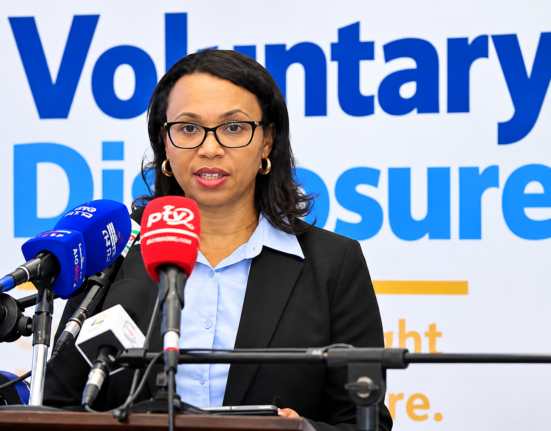
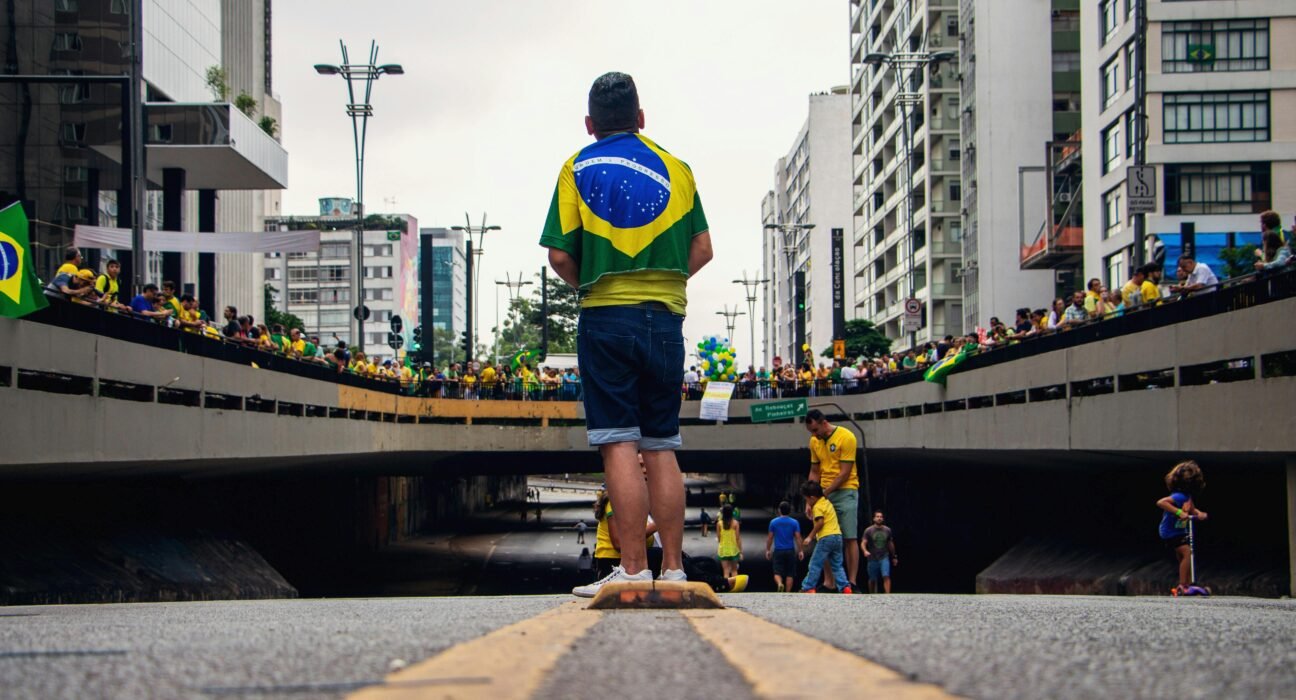
Industry leaders in Brazil have issued fresh warnings that the country risks undermining its newly regulated betting market by imposing excessive regulation and taxation too early in its development. André Gelfi, Director General of the Brazilian Institute for Responsible Gaming (IBJR), has stressed that Brazil’s regulated betting framework is still in its infancy and should be supported rather than constrained as the country heads toward 2026.
Speaking to SBCNoticias, Gelfi said the regulated market has “barely commenced” and warned that discussions around increasing taxes at this stage are premature and potentially damaging. He argued that treating higher taxation as an inevitable next step ignores the fragile nature of the current market and the ongoing challenge of diverting players away from unlicensed operators.
“The game has barely started, and we are already talking about raising taxes as if it were completely natural,” Gelfi said. “It isn’t.” He emphasised that regulation must strike a careful balance, particularly in a market where channelisation, the movement of players from illegal to legal platforms, remains a critical and unresolved issue.
According to Gelfi, raising taxes now would directly harm the regulated sector’s competitiveness. He explained that higher tax burdens would alter pricing and returns for players, making illegal platforms more attractive. “If you increase taxes now, you simply tip the price equation in favour of the clandestine operator. It’s mathematics,” he said. “A bettor will choose the product that gives a better return unless they fully understand the risks of illegality, and today, they don’t.”
Gelfi pointed to international examples where governments have increased taxes on consumers instead of prioritising enforcement against unlicensed operators, warning that these approaches have consistently failed. He stressed that such outcomes are not theoretical but grounded in real-world experiences from other jurisdictions.
He also challenged common narratives linking betting to Brazil’s broader debt and financial problems. Gelfi noted that banks already restrict or block credit card use for betting deposits and argued that consumer debt is driven by structural issues within the banking system. “The Brazilian debt problem is structural, rooted in banking fees and consumer credit, not in bets that represent just 0.3% of GDP,” he said.
Instead, Gelfi urged policymakers to focus on strengthening the regulated ecosystem by improving enforcement against illegal operators and building public awareness around the risks of unlicensed gambling. Only once the black market is significantly reduced, he argued, should Brazil consider higher taxation without disadvantaging licensed operators.
“Brazil must decide whether it wants a competitive, regulated market or a fiscal battleground that ultimately empowers the very operators it is trying to eliminate,” Gelfi concluded, warning that the choices made now will shape the long-term success or failure of Brazil’s betting regulation.