

African iGaming growth is powered by local context
The rapid expansion of Africa’s iGaming industry has made one point increasingly clear: success is driven less by global scale and more by local relevance. Operators entering African markets are discovering that strategies that work in Europe or other mature regions often fail to deliver the same results across African jurisdictions.
Each market within the continent, such as Nigeria, Ghana, Kenya, and South Africa, has its own behavioural patterns, regulatory environment, and consumer expectations. This diversity means that operators must tailor their approach rather than rely on a uniform product strategy. Understanding local habits, payment ecosystems, and cultural preferences has become essential for sustainable growth.
Cultural alignment strengthens user engagement
One of the most important success factors in African iGaming is cultural resonance. Operators that incorporate locally relevant sports, regional entertainment content, and familiar visual and linguistic styles tend to achieve higher engagement and retention rates.
Players are more likely to trust and remain active on platforms that reflect their everyday experiences. This includes integration of popular local football leagues, culturally familiar marketing campaigns, and customer support that reflects regional communication styles. Even subtle design decisions, such as tone of language or interface layout, can significantly impact user satisfaction and loyalty.
Localisation extends beyond language translation
Modern iGaming localisation in Africa goes far beyond simple translation of content. It now includes adapting entire product ecosystems to local infrastructure realities. This involves integrating mobile money payment systems, optimising platforms for low-data usage, and ensuring compatibility with entry-level smartphones that dominate the market.
In addition, regulatory fragmentation across African countries requires operators to adjust compliance strategies on a jurisdiction-by-jurisdiction basis. Licensing requirements, taxation rules, and advertising regulations differ widely, making flexibility a core operational necessity.
Mobile-first behaviour defines product strategy
Africa’s digital gaming audience is overwhelmingly mobile-first, with smartphones serving as the primary access point for betting and casino platforms. As a result, operators are prioritising lightweight applications, fast loading speeds, and seamless mobile payment experiences.
Mobile money systems such as MTN Mobile Money and other regional platforms play a central role in building trust and convenience for users. For many players, the speed and reliability of deposits and withdrawals are more important than promotional offers or bonuses, making payment optimisation a critical performance factor.
Fragmented regulation shapes market expansion
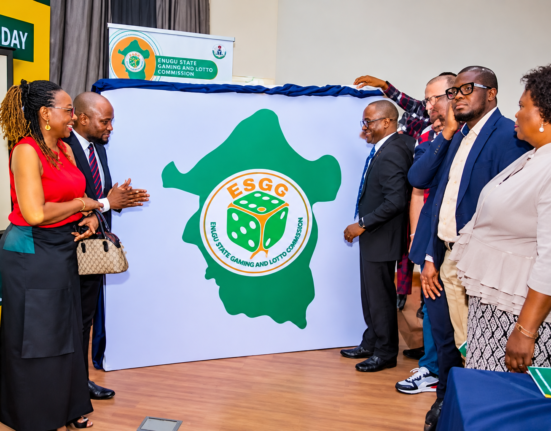
Unlike more unified markets, Africa presents a highly fragmented regulatory environment. Each country enforces its own licensing structure and compliance requirements, forcing operators to adopt highly localised entry strategies.
Rather than expanding rapidly across multiple markets, successful companies are focusing on deeper penetration within individual countries before scaling regionally. This approach reduces regulatory risk and improves long-term operational stability.
Conclusion: localisation defines long-term success
The African iGaming landscape is evolving rapidly, and localisation has become the defining factor separating successful operators from those struggling to gain traction. Companies that invest in cultural understanding, mobile optimisation, and payment integration are better positioned for long-term growth.
In today’s competitive environment, adapting to local realities is no longer optional, it is the foundation of sustainable success in Africa’s iGaming industry.