

National gaming regulator says technology-driven oversight and cross-border collaboration are strengthening compliance, player protection, and market integrity
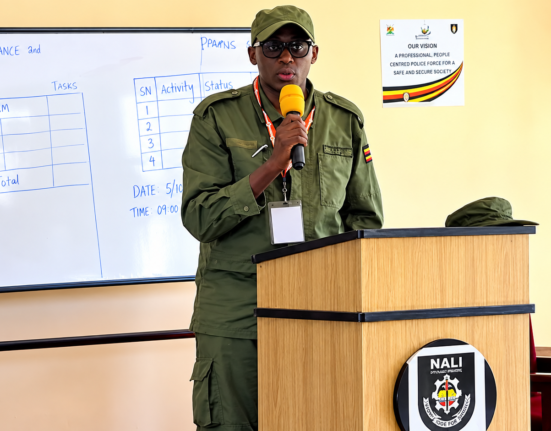
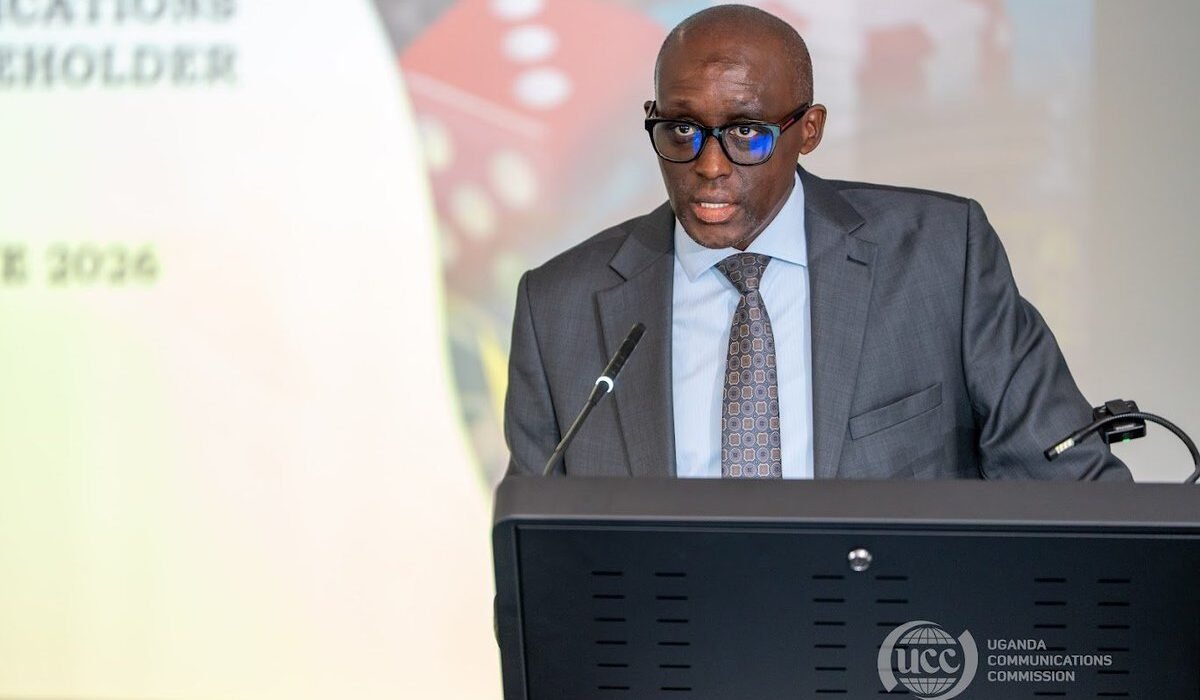
Uganda is positioning itself as a leader in modern gaming regulation by embracing digital oversight and promoting greater regional cooperation to address the challenges of an increasingly interconnected gaming industry. According to Denis Mudene, Chief Executive Officer of the National Lotteries and Gaming Regulatory Board (NLGRB), technology and collaboration are playing a central role in improving transparency, regulatory compliance, and responsible gaming across the country.
Speaking about the evolution of Uganda’s gaming sector, Mudene emphasized that regulators must continuously adapt to technological advancements while working closely with neighboring jurisdictions to combat illegal gambling and protect consumers. His remarks reflect a broader shift among African regulators toward data-driven supervision and coordinated enforcement as online gaming continues to expand across the continent.
Digital Monitoring Transforming Regulatory Oversight
One of the cornerstones of Uganda’s regulatory strategy is the use of digital monitoring systems to oversee licensed gaming operators in real time. The National Central Electronic Monitoring System (NCEMS) enables the regulator to monitor gaming activity, improve compliance, and strengthen revenue collection while increasing transparency throughout the industry.
Mudene explained that digital oversight has significantly improved the regulator’s ability to supervise operators and ensure they comply with licensing conditions. Real-time access to operational data has also helped reduce opportunities for underreporting and enhanced accountability across the sector.
The adoption of advanced monitoring technology demonstrates Uganda’s commitment to building a modern regulatory framework capable of responding to the rapidly changing gaming landscape.
Licensing Standards Remain a Priority
Beyond technological innovation, Mudene highlighted the importance of maintaining rigorous licensing standards as the foundation of a safe and sustainable gaming market. Before issuing operating licenses, the NLGRB conducts comprehensive assessments of applicants to evaluate their financial stability, technical capabilities, and commitment to responsible gaming practices.
By applying strict licensing requirements, the regulator seeks to ensure that only qualified and compliant operators are allowed to participate in Uganda’s regulated gaming market. This approach helps safeguard consumers while promoting fair competition among licensed businesses.
Strong regulatory oversight also contributes to increased investor confidence by creating a predictable and transparent operating environment.
Responsible Gaming at the Center of Regulation
Player protection continues to be one of the NLGRB’s highest priorities. Mudene noted that the regulator has introduced several responsible gaming measures designed to minimize gambling-related harm and encourage safer participation.
These initiatives include mandatory responsible gaming messaging, age verification requirements, self-exclusion programmes, betting controls, and public education campaigns that encourage consumers to view gaming as a form of entertainment rather than a guaranteed source of income.
The regulator also collaborates with financial institutions, law enforcement agencies, healthcare professionals, and civil society organizations to strengthen responsible gaming awareness and support vulnerable individuals.
According to Mudene, effective regulation extends beyond enforcement and requires continuous public engagement to promote informed decision-making among players.
Regional Cooperation to Combat Illegal Gambling
As online gaming continues to transcend national borders, Mudene believes stronger regional cooperation has become essential for effective regulation. He warned that illegal offshore operators frequently exploit differences in national regulatory frameworks, making coordinated action increasingly important.
To address these challenges, he has advocated for greater information sharing among African regulators and the establishment of an East African Gaming Regulators Forum. Such a platform would facilitate joint enforcement efforts, improve regulatory consistency, and strengthen consumer protection across multiple jurisdictions.
Mudene also emphasized the need for collaboration on emerging issues such as cybersecurity, anti-money laundering compliance, digital payment oversight, and data protection.
Building a Sustainable Future for Uganda’s Gaming Industry
Uganda’s experience demonstrates how technology and regional partnerships can strengthen regulatory effectiveness while supporting industry growth. Through digital monitoring systems, strict licensing procedures, and comprehensive responsible gaming initiatives, the NLGRB is working to create a transparent and accountable gaming environment that benefits operators, players, and government alike.
As Africa’s gaming industry continues to evolve, Mudene believes innovation and cooperation will remain critical to ensuring sustainable growth. By embracing digital oversight and fostering closer collaboration between regulators, Uganda is positioning itself as a model for effective gaming governance and contributing to the development of a more secure and well-regulated gaming ecosystem across the continent.