

Suspects Caught With 18 ATM Cards and Over THB1 Million in Cash
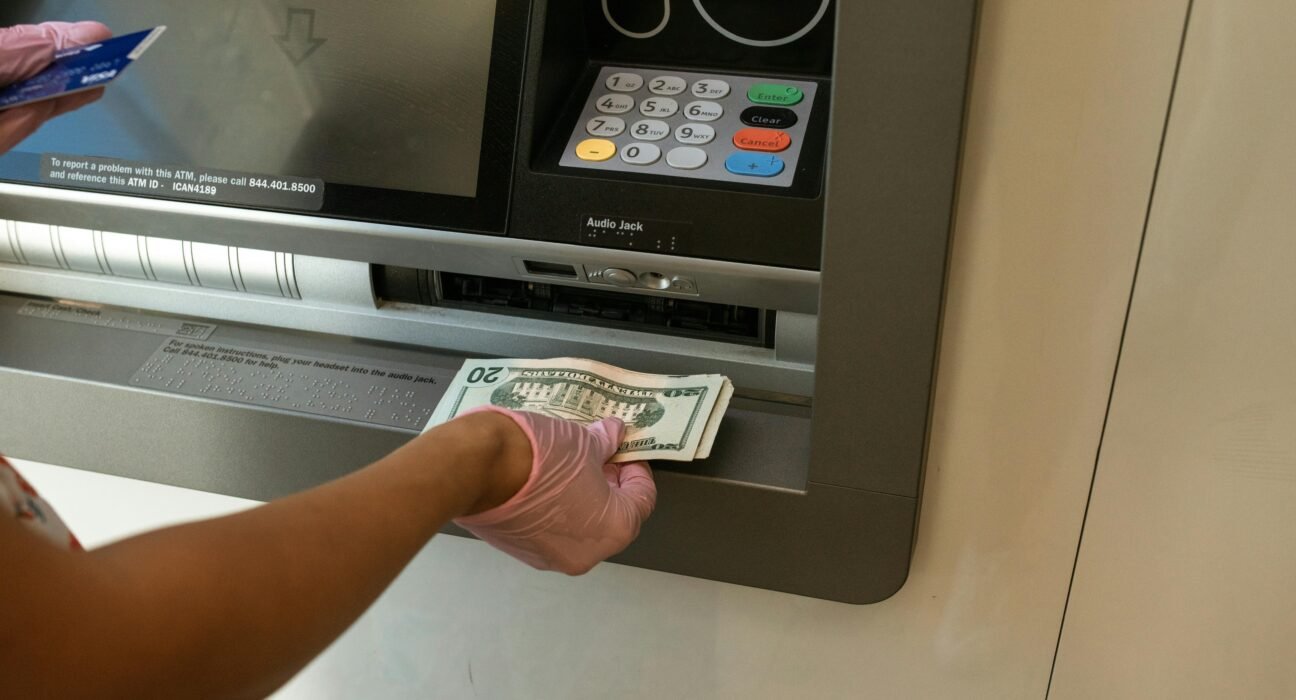
Thai authorities have arrested two Cambodian nationals in Sa Kaeo province for their alleged involvement in a transnational online gambling and money laundering operation. The suspects were detained at an ATM in Aranyaprathet district, near the Cambodian border, after police observed them making large, suspicious cash withdrawals using multiple bank cards.
According to The Nation, officers from Thailand’s Central Investigation Bureau (CIB) and Crime Suppression Division (CSD) seized 18 ATM cards registered under different names, along with THB1.05 million (approx. $28,600) in cash. The suspects reportedly admitted to working for an illegal gambling syndicate, withdrawing illicit funds on behalf of their handlers.
Tactics of a Transnational Criminal Network
Investigators believe the two men were part of a sophisticated money-laundering scheme linked to online gambling and possibly even call center scams. Criminal networks often recruit low-level operatives—typically foreign nationals—to withdraw large sums from ATMs using stolen or fraudulently obtained bank accounts. This method, known as “cash-out” laundering, helps obscure the money trail and avoids direct bank transfers.
Thai police suspect that the operation is part of a larger cross-border crime ring based in Cambodia, where online gambling—though illegal for locals—has thrived in special economic zones catering to foreign bettors. Proceeds from these operations are then funneled into Thailand through money mules, who withdraw the cash and transport it back across the border.
Ongoing Investigation and Expected Further Arrests
Authorities confiscated 23 items as evidence, including mobile phones and bags used to hide the ATM cards and cash. The suspects confessed to being paid a commission for their withdrawals but claimed they did not know the card owners.
Police are now expanding their probe to identify the masterminds behind the operation. Given the scale of the withdrawals—potentially reaching millions of baht monthly—law enforcement expects more arrests as they track down financial facilitators and higher-ranking syndicate members.
Thailand’s Crackdown on Cross-Border Financial Crime
This arrest highlights Thailand’s ongoing efforts to combat transnational financial crimes, particularly those tied to online gambling and call center scams. In recent years, Thai and Cambodian authorities have collaborated on multiple raids targeting illegal gambling dens and money laundering networks. However, the porous border and high demand for illicit online betting continue to pose challenges.
As cyber-enabled financial crimes evolve, Thai police are increasing digital forensics and financial tracking measures to dismantle these networks. The case serves as a warning to money mules and low-level operatives that they face serious legal consequences, even if they are not the masterminds behind the scheme.
Conclusion
The arrest of the two Cambodians underscores the interconnected nature of cybercrime and money laundering in Southeast Asia. With online gambling and scam operations generating massive illicit profits, law enforcement agencies must enhance cross-border cooperation to disrupt these syndicates effectively. As the investigation unfolds, more details may emerge about the broader network—and whether this bust will lead to a significant blow against transnational financial crime.