

New regulatory bill and monitoring framework aim to modernise oversight and attract investment
COPF Reverses Ban on Casino Equipment
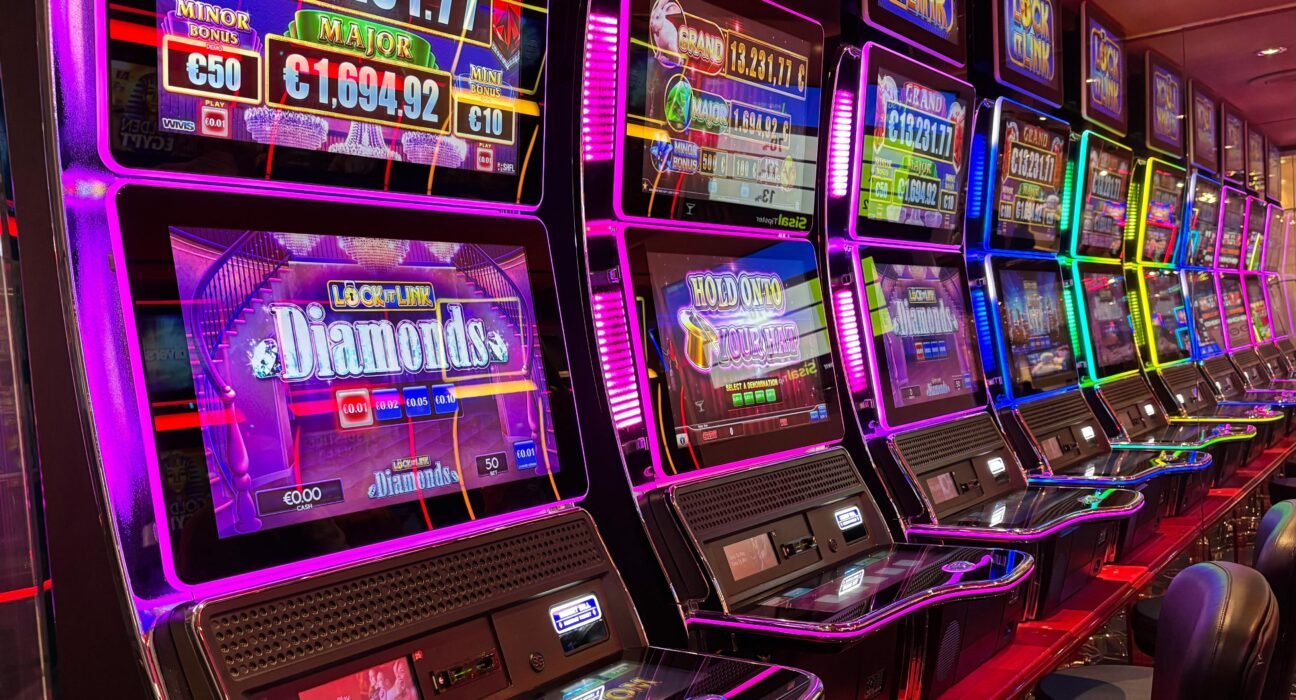
Sri Lanka’s Committee on Public Finance (COPF) has officially approved the resumption of casino machine imports, marking a significant shift in policy from the restrictions imposed during the height of the country’s economic crisis. COPF Chairman Dr. Harsha de Silva confirmed the approval and noted that each imported machine would be monitored through a specialised tracking system designed to ensure compliance and transparency.
This policy reversal is seen as part of broader efforts to reinvigorate Sri Lanka’s tourism and hospitality sector, particularly as the country positions itself to recover from years of economic volatility.
Gambling Regulatory Authority Bill on the Table
The machine import decision comes in tandem with the tabling of the Gambling Regulatory Authority Bill, 2025, a landmark piece of legislation aimed at creating a unified oversight body for both land-based and online gambling. The proposed authority will centralise licensing, compliance, anti-money laundering (AML) oversight, and tax enforcement within a single administrative framework.
The body will include representatives from the Finance Ministry, Inland Revenue Department, the Financial Intelligence Unit, law enforcement, and appointed independent experts. This inter-agency structure is designed to bring a more holistic approach to gambling regulation, which has historically suffered from fragmented oversight.
However, Dr. de Silva raised concerns that the current bill lacks concrete operational regulations, warning that this could leave critical enforcement mechanisms undefined. He has urged lawmakers to expedite the drafting of rules to prevent implementation delays or regulatory gaps.
Economic Strategy Over Social Policy
Former Finance Minister and COPF member Ravi Karunanayake endorsed the decision, framing it as an economic recovery tool rather than a social policy. He stressed the importance of using gambling sector reform as a lever for tourism investment and foreign currency inflow, especially in the context of large-scale developments like the City of Dreams Sri Lanka.
The $1 billion integrated resort, a joint venture between Melco Resorts & Entertainment and John Keells Holdings, is expected to begin casino operations later this year under a 20-year licence, making it the country’s flagship gaming destination.
New Taxation and Entry Fee Policies
To complement these regulatory and infrastructural developments, the government is increasing both casino entry fees and turnover taxes. The entry fee for casinos will rise from US$50 to US$100, while the gambling turnover tax will increase from 15% to 18%. These fiscal changes are designed to bolster state revenue while discouraging frivolous play.
Outlook: Towards a Regulated Gambling Ecosystem
Sri Lanka’s approval to resume casino machine imports, paired with the introduction of a comprehensive regulatory framework, represents a significant pivot toward a regulated and investment-ready gambling industry. While critics remain cautious about social impacts and regulatory readiness, the reforms are broadly seen as necessary for economic revitalisation.
As Sri Lanka prepares to host international operators and domestic ventures alike, the success of this initiative will depend on timely implementation of operational rules, technological safeguards, and public accountability within the regulatory body.