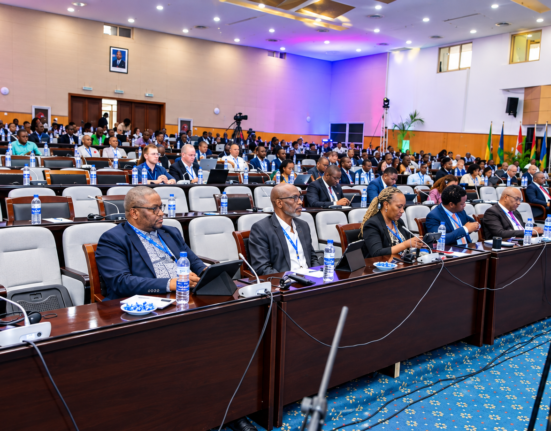


Flutterwave valuation hits $3.2 billion as Ripple expands its payments footprint in Africa
Ripple has made a strategic investment in African payments infrastructure company Flutterwave as part of its latest Series E funding round, marking a significant move to accelerate the adoption of stablecoin-powered cross-border payments across the continent.
The investment values Flutterwave at approximately $3.2 billion, reinforcing its position as one of Africa’s most influential fintech platforms and highlighting continued investor confidence in the region’s rapidly expanding digital payments ecosystem.
The partnership is expected to deepen the integration of blockchain-based settlement systems into mainstream financial infrastructure, enabling faster and more efficient cross-border transactions for businesses operating across African and global markets.
Stablecoin infrastructure embedded into payments network
At the core of the collaboration is Ripple’s integration into Flutterwave’s existing payments architecture. The partnership will leverage Ripple’s RLUSD stablecoin, the XRP Ledger (XRPL), and its global payments network to improve transaction settlement speed and reduce reliance on traditional correspondent banking systems.
By introducing stablecoin-based settlement layers, the companies aim to eliminate inefficiencies associated with legacy financial rails, including delayed processing times, high intermediary fees, and fragmented cross-border liquidity pathways.
This shift is expected to allow near real-time settlement for businesses operating across multiple African jurisdictions, where currency conversion and cross-border payment delays have long been structural challenges.
Addressing long-standing inefficiencies in African payments
Cross-border payments in Africa remain heavily dependent on external clearing routes, often processed through financial hubs outside the continent. This structure contributes to higher costs and slower transaction cycles, particularly for small and medium-sized enterprises engaged in regional trade.
Flutterwave’s existing infrastructure already supports payments in more than 30 African countries, positioning it as a key enabler of intra-African commerce. The Ripple investment is expected to enhance this network by introducing blockchain-based liquidity solutions that streamline payment flows and reduce foreign exchange friction.
Industry stakeholders argue that improvements in payment speed and cost efficiency could significantly boost regional trade and digital commerce adoption across Africa.
Africa positioned as emerging stablecoin adoption hub
The deal also reflects the growing momentum behind stablecoin adoption in emerging markets, particularly in Africa, where demand for efficient remittance systems and dollar-linked digital assets continues to rise.
Stablecoins, which are digital assets pegged to fiat currencies such as the US dollar, are increasingly being used as a bridge for cross-border transactions due to their price stability and faster settlement capabilities compared to traditional banking channels.
Fintech companies operating across the continent are increasingly exploring blockchain solutions as a response to persistent challenges in liquidity access, currency volatility, and fragmented financial infrastructure.
Flutterwave strengthens digital infrastructure strategy
Flutterwave, which operates across more than 35 African countries, has positioned itself as a leading digital payments infrastructure provider supporting global merchants, SMEs, and financial institutions.
The company has processed billions of dollars in transactions and continues to expand its capabilities through API-driven financial services and cross-border payment solutions.
The Ripple investment is expected to strengthen Flutterwave’s ability to scale its settlement infrastructure, improve liquidity management, and expand its role in facilitating regional and international trade.
blockchain reshaping African payments landscape
Analysts view the partnership as a significant milestone in the convergence of blockchain technology and traditional fintech infrastructure in Africa.
As regulatory frameworks for digital assets continue to evolve across the continent, collaborations such as Ripple and Flutterwave are expected to accelerate the mainstream adoption of blockchain-based payment systems.
The deal signals a broader shift toward faster, cheaper, and more transparent financial infrastructure, with stablecoins increasingly positioned as a core component of Africa’s future cross-border payment ecosystem.