

New Industry Report Highlights Double-Digit Expansion Across the Continent
Africa’s video game industry continues to accelerate, with the latest State of the Industry: African Video Game Report 2026 estimating that the continent generated more than $2.29bn in revenue in 2025. The study, compiled by SpielFabrique in collaboration with partners including Xsolla and the Goethe-Institut, paints a picture of a rapidly maturing ecosystem driven by mobile adoption, urbanisation, and a youthful digital population.
According to the findings, Africa’s gaming market is expanding at an average annual rate of 12.32%, significantly outpacing the global industry growth rate of 7.5%. Analysts attribute this momentum to increasing smartphone penetration, improved internet accessibility, and growing investor interest in local studios and infrastructure.
Egypt, Nigeria, and South Africa Lead Revenue Rankings
Revenue concentration remains evident, with Egypt emerging as the continent’s largest gaming market, generating approximately $368m in 2025. Nigeria followed with $300m, while South Africa contributed $278m. Kenya, though smaller by comparison, recorded $46m, underlining the presence of high-growth pockets beyond the traditional leaders.
The report notes that gaming activity mirrors patterns seen in other digital industries, with engagement and spending heavily concentrated in major metropolitan areas where connectivity, disposable income, and payment solutions are more developed.
Mobile Gaming Drives the African Boom
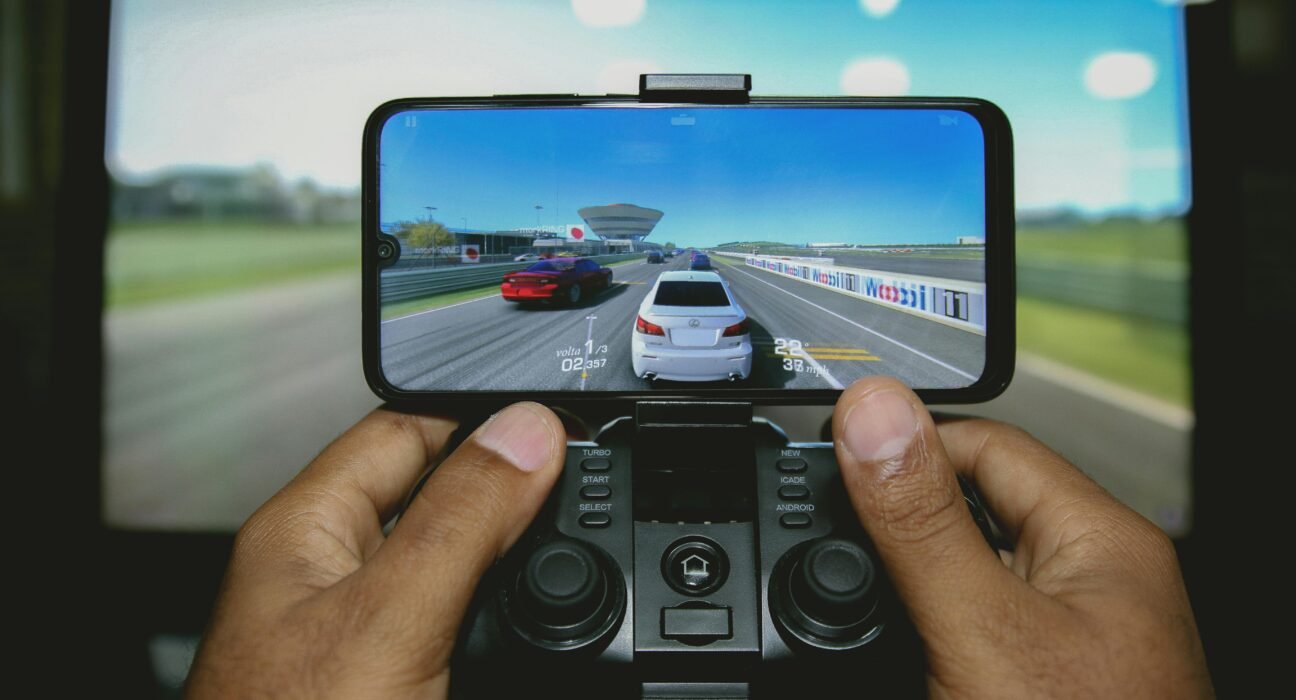
Mobile gaming has firmly established itself as the industry’s growth engine. The research indicates that around 87% of African gamers play on smartphones, making mobile the dominant platform across nearly all markets. Affordable Android devices, prepaid data bundles, and the convenience of on-the-go play continue to lower entry barriers for millions of users.
While PC and console gaming segments are expanding, they remain largely confined to urban, higher-income demographics. Meanwhile, virtual reality (VR) and augmented reality (AR) gaming are described as nascent, constrained by hardware costs and limited consumer adoption.
Casual and Competitive Titles Capture Player Attention
In terms of player preferences, casual and competitive multiplayer titles lead engagement metrics. Among the most popular games are Candy Crush Saga (10.4%), PUBG: Battlegrounds (6%), and EA Sports FC (2.2%), alongside Dream League Soccer and Temple Run. The dominance of accessible, mobile-friendly games underscores Africa’s preference for low-friction, high-engagement experiences.
Data Sources Reflect Growing Research Depth
Key insights were drawn from multiple datasets, including regional gaming surveys, telecom analytics, and publisher disclosures. The aggregation of sources signals increasing sophistication in African gaming research, an essential factor for attracting international publishers, advertisers, and investors.
A Market With Expanding Global Relevance
With sustained double-digit growth and a digitally native population, Africa is positioning itself as one of the most dynamic emerging regions in global gaming. Industry stakeholders suggest that continued investment in local content development, payment infrastructure, and regulatory clarity will be critical to unlocking the sector’s full economic potential.
As mobile-first behaviour reshapes entertainment consumption, Africa’s gaming trajectory appears set to remain firmly upward.